Content
When it comes to hydraulic systems, the hose is the lifeline. After decades of hands-on work in the rubber hose industry at Ningbo Shunlong, we’ve learned that selecting the right hydraulic hose material is just as critical as choosing the correct diameter or pressure rating. The material determines how well the hose handles temperature extremes, resists chemical attack, and stands up to continuous flexing. In this guide, we’ll walk through the most widely used materials—synthetic rubber, thermoplastics, and reinforcement layers—and explain how each contributes to the performance you can expect from a modern hydraulic hose.
A hydraulic hose is not a single material; it’s a composite structure. The innermost tube must be compatible with the fluid, the reinforcement layer provides strength, and the outer cover protects against environmental damage. Let’s break down the primary materials used for the tube and cover.
| Material Type | Typical Applications | Temperature Range | Fluid Compatibility |
|---|---|---|---|
| Synthetic Rubber (NBR, SBR, Neoprene) | General hydraulic systems, mining, construction | -40°C to 100°C | Petroleum oils, water, air |
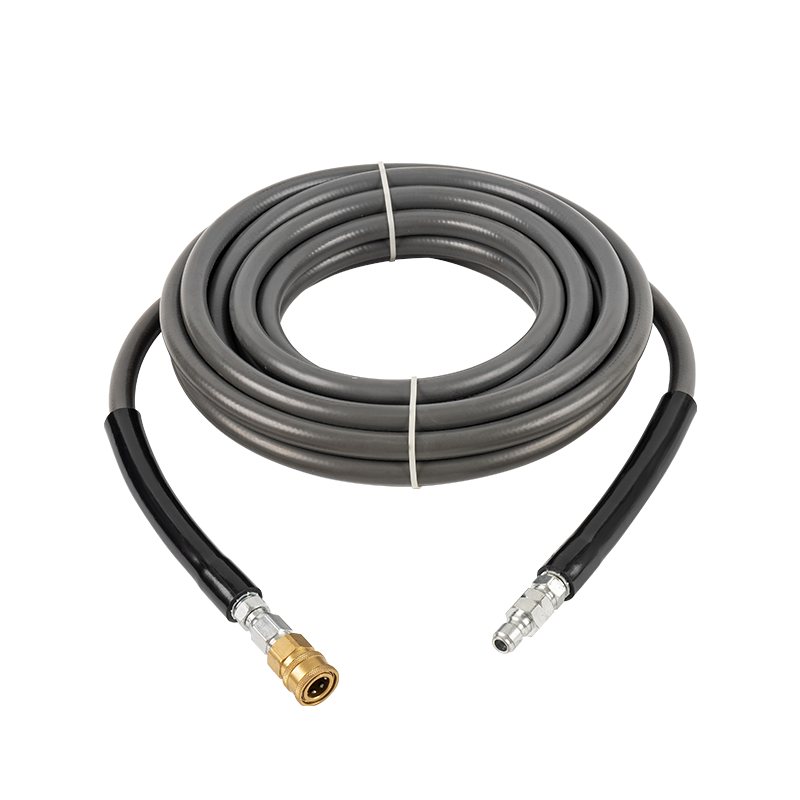
| Thermoplastic (Polyurethane, Nylon) | High-pressure washing, robotics, mobile equipment | -40°C to 93°C | Hydraulic fluids, some chemicals |
| PTFE (Teflon) | High-temperature, corrosive fluid transfer | -54°C to 260°C | Almost all chemicals, steam |
Synthetic rubber remains the most popular choice because it offers an excellent balance of flexibility, abrasion resistance, and cost. At our facility, we produce hydraulic hoses using premium NBR compounds that meet international standards like SAE 100R1AT and EN 857. For applications requiring higher temperature tolerance or chemical resistance, thermoplastic or PTFE hoses may be specified, though they come with different trade-offs in flexibility and price.
The reinforcement layer is what gives a hydraulic hose its pressure‑holding capacity. Without reinforcement, the rubber tube would simply burst under system pressure. Two main reinforcement architectures dominate the market: wire braid and wire spiral.
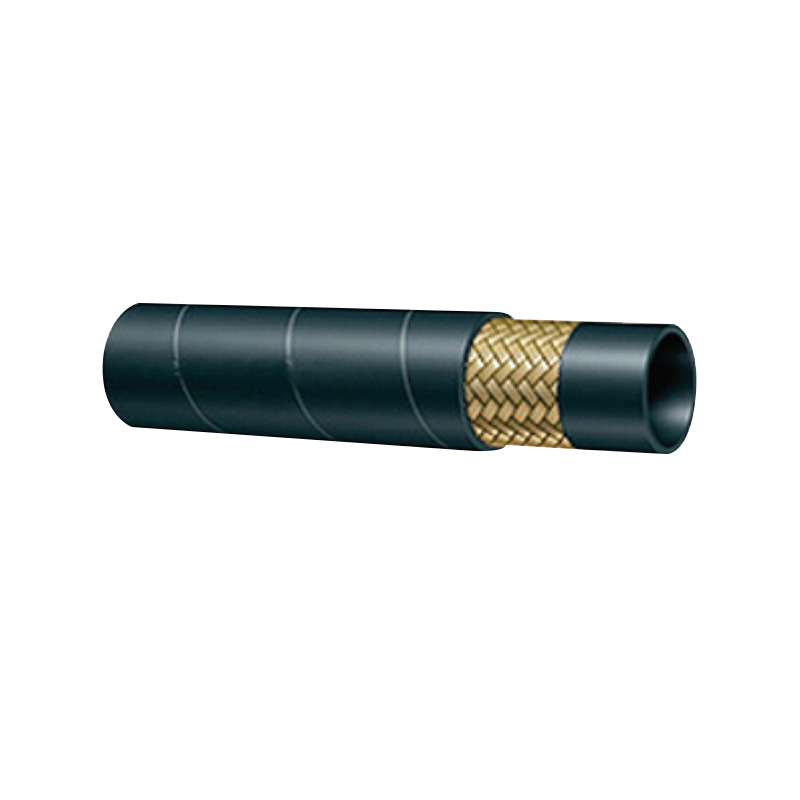
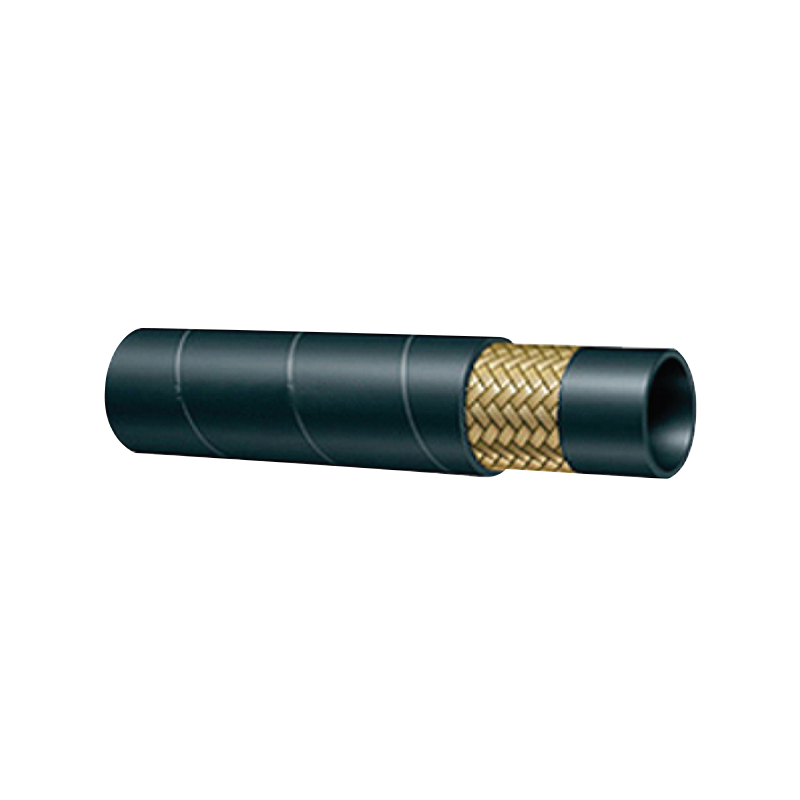
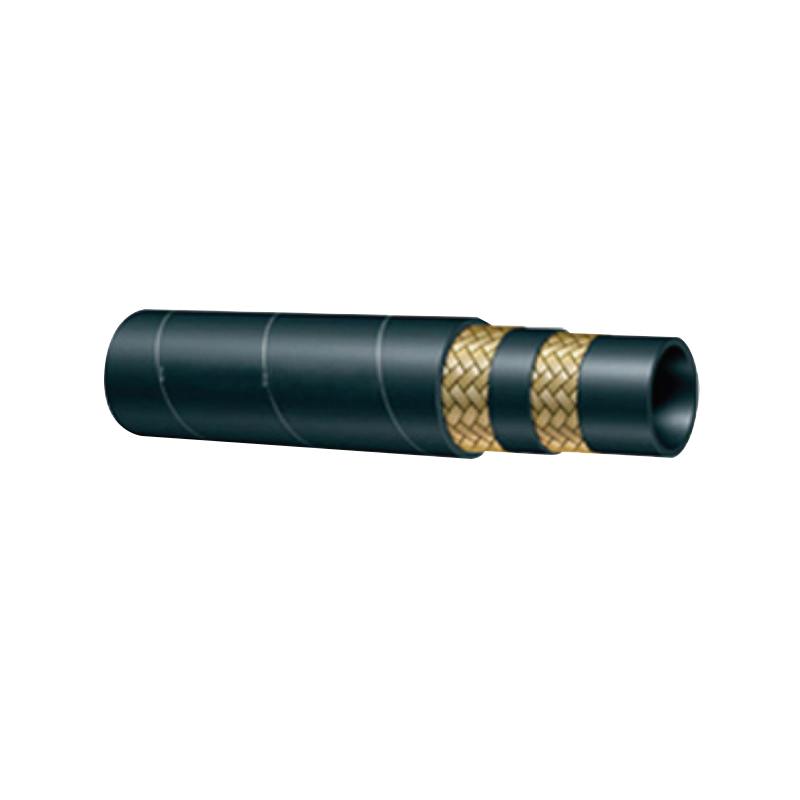
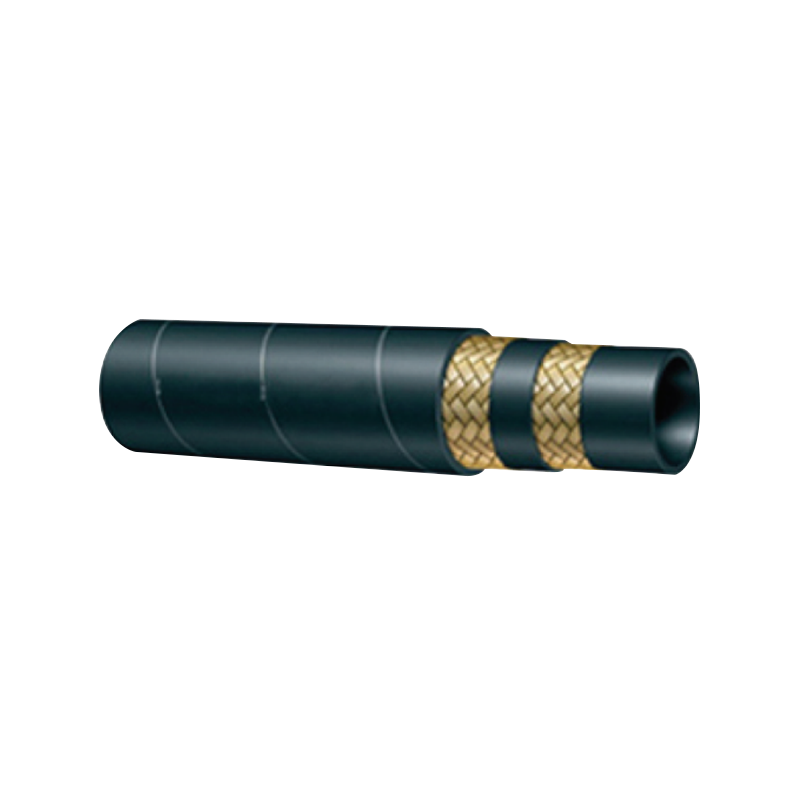
Braided hoses use one or more layers of woven steel wire. Single braid (1SN/1SC) is suitable for medium‑pressure circuits, while double braid (2SN/2SC) doubles the strength. The braid pattern allows good flexibility and is ideal for applications where the hose must bend frequently. Our range of 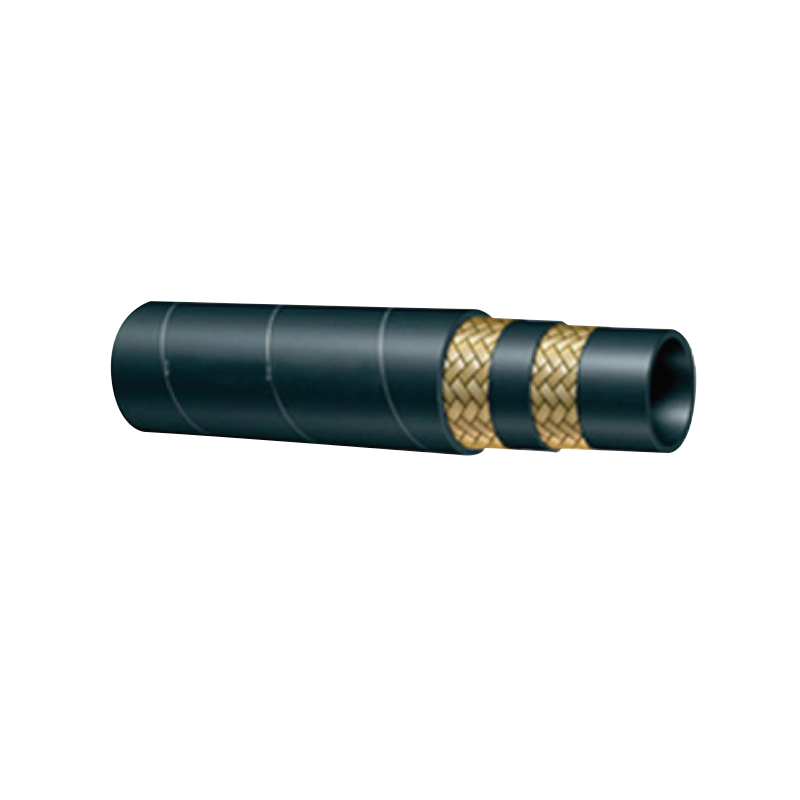 SAE 100R2AT/2SN Double Wire Braided Hydraulic HoseThis double braid hose doubles the strength of single braid designs, making it ideal for medium‑pressure circuits in construction machinery. Its high working pressure and excellent impulse resistance suit applications requiring frequent bending.View Product →SAE 100R2AT/2SN double wire braided hoses, for example, are widely used in construction machinery because they combine high working pressure with excellent impulse resistance.
For a deeper look at how the braided layer performs under stress, read our article on steel wire braided layer characteristics.
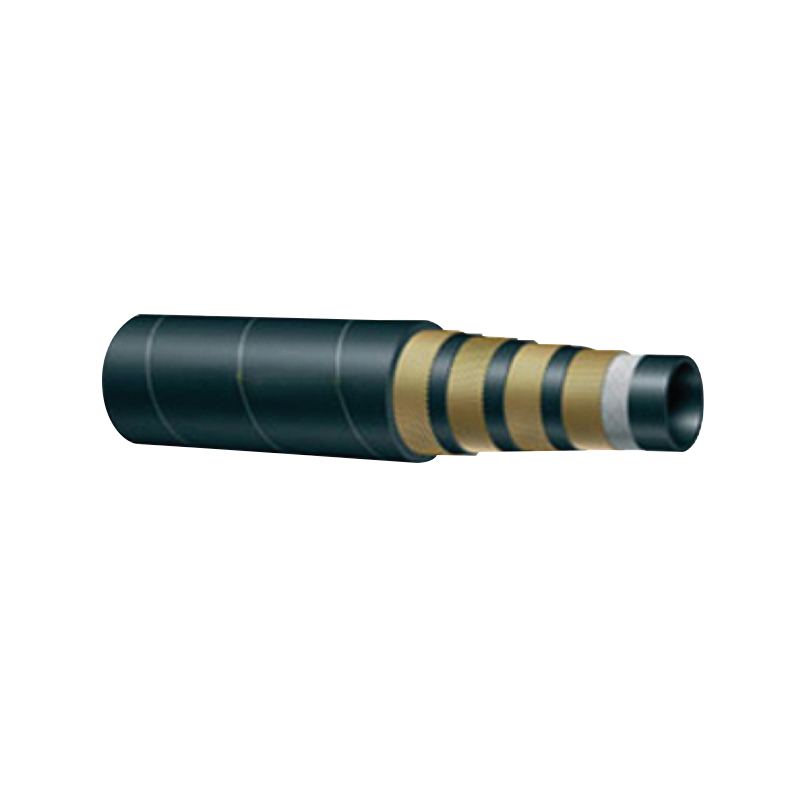
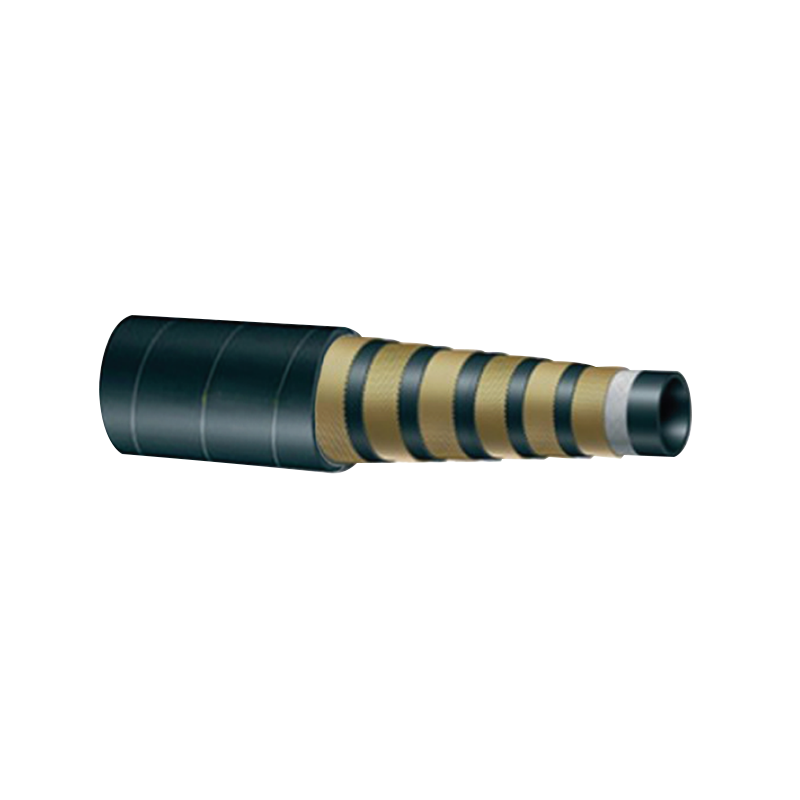
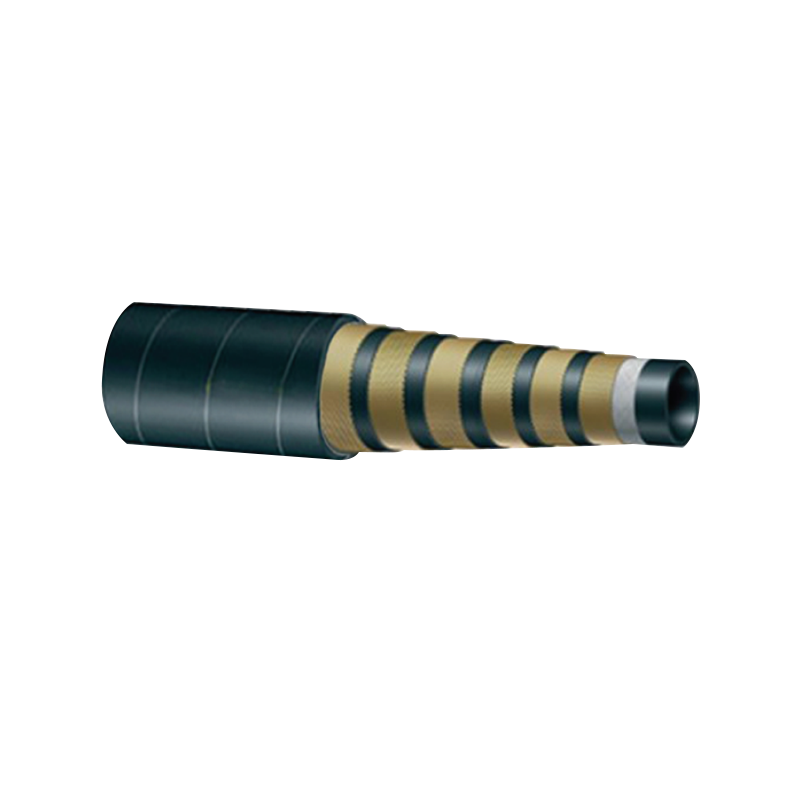
For ultra‑high pressure systems—such as those found in large excavators or mining equipment—spiral wound hoses are the standard. Multiple layers of wire are wound in a helical pattern, providing superior strength and durability in demanding pulse cycles. Our 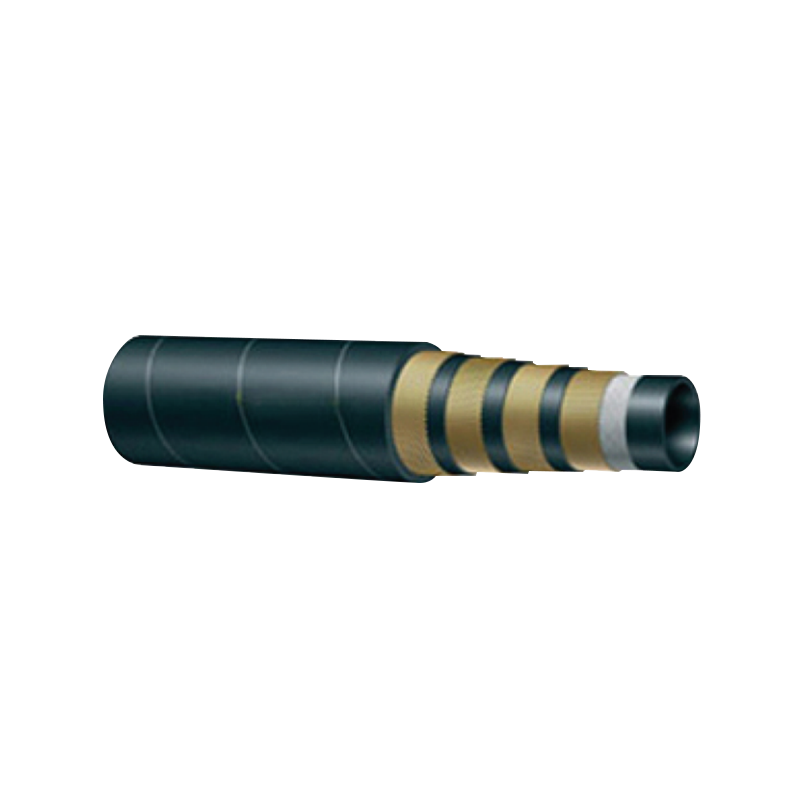 EN856 4SH Spiral Wire Hydraulic Hose for Ultra-High PressureEngineered for extreme pressures up to 420 bar, this spiral wound hose features multiple wire layers for superior strength. The helical structure minimizes hose growth under pressure, ensuring leak‑free connections in large excavators and mining equipment.View Product →EN 856 4SH spiral hose exemplifies this design, capable of handling working pressures up to 420 bar. The spiral structure also reduces hose growth under pressure, which is critical for maintaining leak‑free connections.
To understand how the spiral structure influences compressive properties, visit our technical analysis of spiral hydraulic hose compressive performance.
Besides steel wire, some hoses use high‑tensile synthetic fibers such as polyester or aramid. Fiber‑braided hoses are lighter and more flexible than wire‑reinforced types, but they typically operate at lower pressures. They are common in hydraulic return lines or low‑pressure applications where weight savings matter.
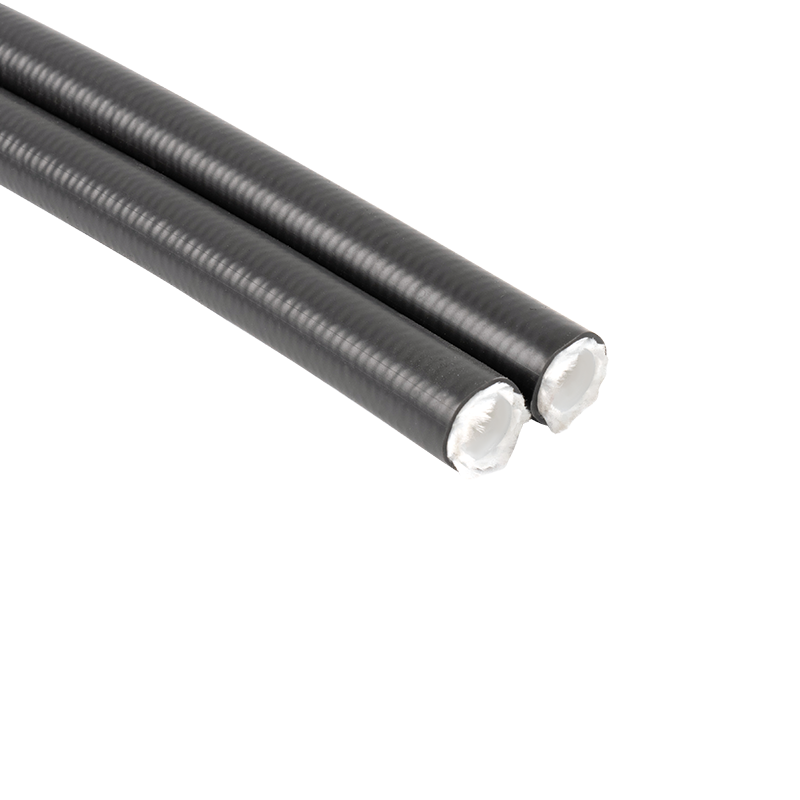
The outer cover protects the reinforcement from moisture, abrasion, UV, and chemical contact. Most hydraulic hoses use a synthetic rubber cover, often chloroprene (neoprene) or nitrile rubber, which resists oil and weathering. Some specialty hoses have thermoplastic covers for enhanced flexibility at low temperatures or for improved chemical resistance.
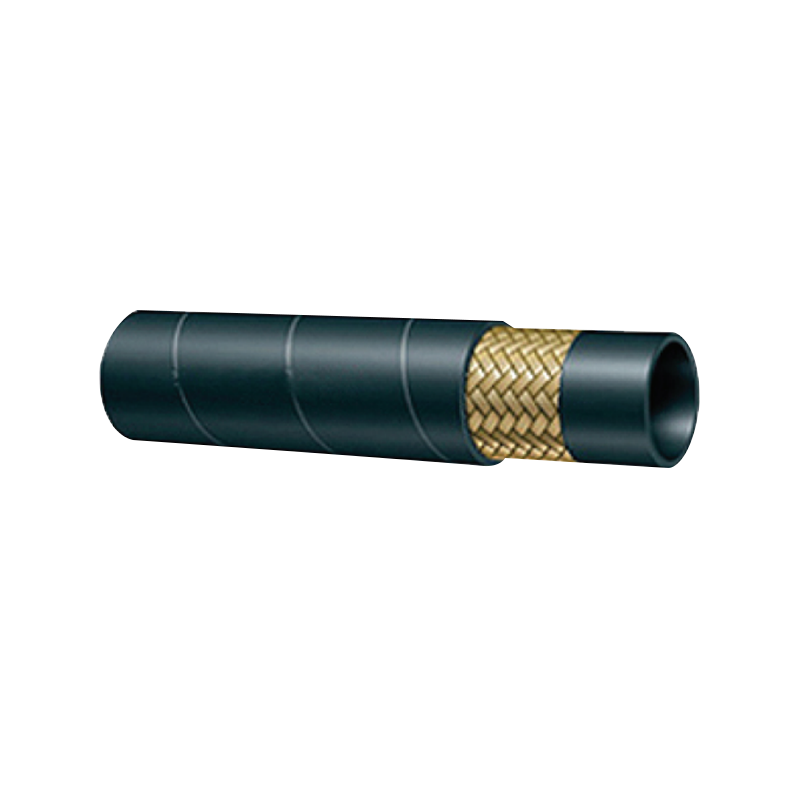
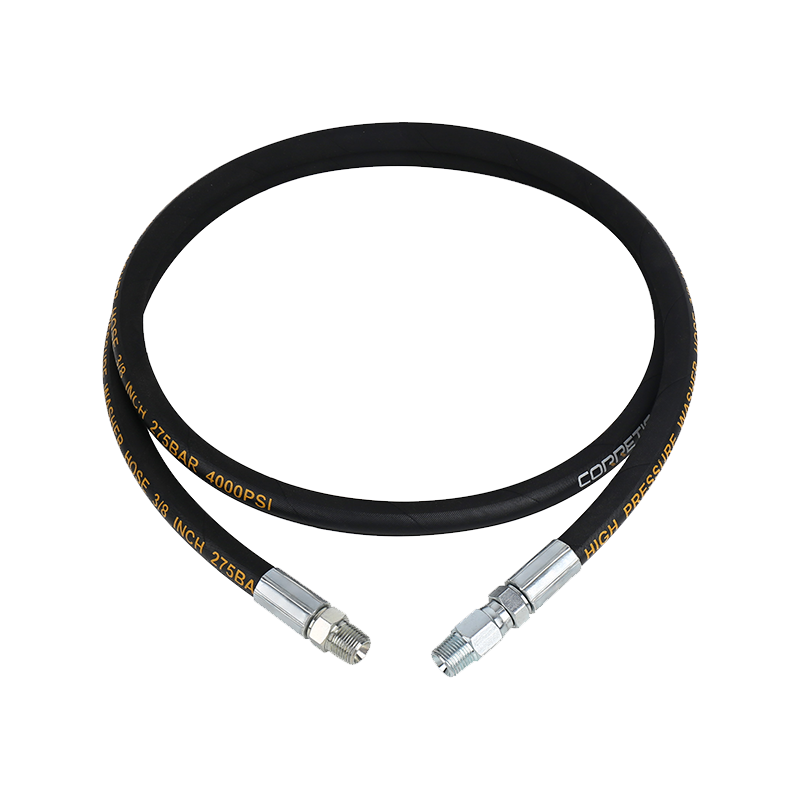
For example, our 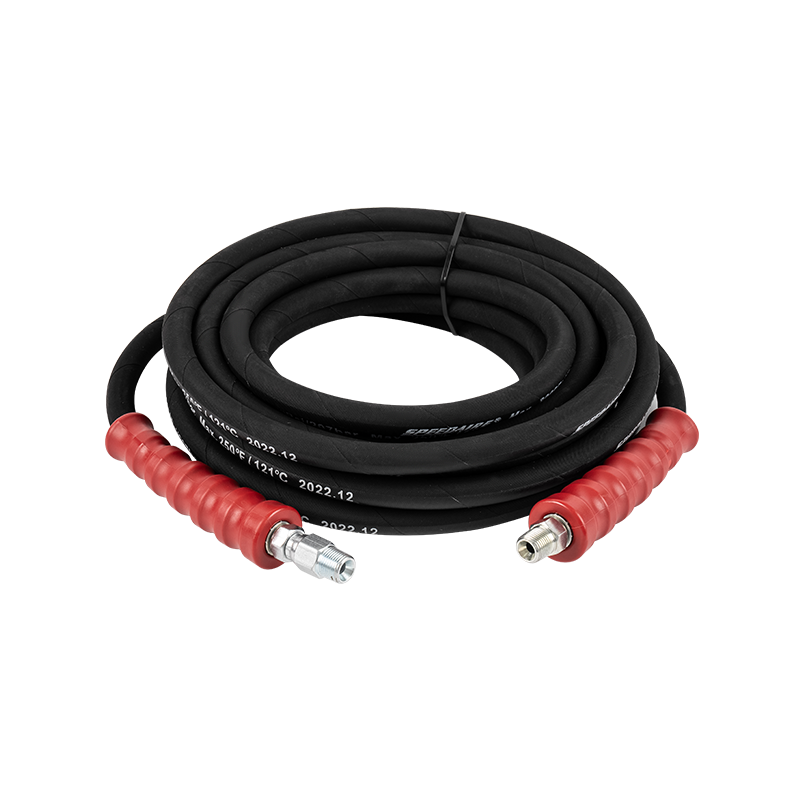 1/4-inch Cloth Cover High Pressure Wire Braid Rubber HoseWith a woven fabric cover for extra grip and abrasion resistance, this hose handles up to 3500 psi working pressure. It is a reliable choice for high‑pressure washing applications where the hose is frequently dragged across rough surfaces.View Product →1/4-inch cloth surface high pressure rubber hose uses a woven fabric cover that provides extra grip and abrasion resistance, making it a popular choice for high‑pressure washing equipment where the hose is frequently dragged across rough surfaces.
Selecting the best material for your hydraulic hose depends on three key factors:
At Ningbo Shunlong, we help customers match the right raw material to their operating conditions. Whether you need a standard double‑wire braid hose for a backhoe or a high‑temperature spiral assembly for a steel mill, we have the production experience to deliver consistent quality.
Understanding hydraulic hose materials is the first step toward a reliable and efficient hydraulic system. From the inner tube to the outer cover, every layer serves a purpose. By choosing proven materials and certified constructions—like those we manufacture daily at our 32,000‑square‑meter facility—you ensure that your equipment runs smoothly, safely, and for the long haul.

 Wholesale High Pressure Power Washer Hose Manufacturers




 English
 Deutsch
 中文简体