Content
In a busy workshop, the compressor gauge reads 120 psi, but a pneumatic impact wrench connected by a 50-foot air hose stalls on stubborn bolts. At the hose end, a pressure gauge shows only 92 psi. The compressor is not failing, and the hose has no visible leak. The air hose itself is the reason. As air flows through the narrow tube, friction and turbulence convert part of the system's energy into heat, so downstream pressure drops. This is the reality of air hose pressure, and it is often misunderstood.
Static pressure is the pressure measured when air is not moving. If you close the valve on the tool, the pressure at the far end will rise until it matches the compressor setting. The hose material, diameter, and length have almost no effect on this final static reading.
Dynamic pressure is the pressure while air is flowing. The movement of air creates drag against the hose wall, and the energy lost appears as a pressure drop. The longer the hose, the more wall area the air meets. The narrower the hose, the higher the air velocity and the greater the friction. A 1/4-inch hose on a long run can easily lose 20-30 psi at a high airflow rate, while a 3/8-inch hose under the same conditions might lose only a few psi.
The pressure drop is not linear with flow. With a given hose diameter, doubling the airflow roughly doubles the pressure loss in a well-behaved system, and at turbulent flow the loss can climb even faster. This is why a tool that works at the end of a short hose may struggle when it is connected to a long coiled hose on a reel.
In short, when you read a pressure loss between the compressor and the tool, you are almost always looking at dynamic pressure drop, not a fault in the compressor or regulator.
Every air hose carries two important numbers: working pressure and burst pressure. Working pressure is the recommended maximum pressure for continuous use. Burst pressure is a destructive test value, usually three to five times the working pressure, and it is not a safety margin. A hose can fail long before the burst point if it is kinked, crushed, exposed to heat, or attacked by chemicals.
Choose a hose with a working pressure above the maximum pressure your system can produce. For a compressor set at 120 psi, a hose rated at 150 psi or 200 psi is a reasonable choice. Do not rely on a higher rating alone. A hose with a much higher pressure rating often has thicker walls, which makes it stiffer and harder to handle. The best hose is one that matches the system pressure and still gives the flexibility you need for the application.
Temperature is part of the pressure rating too. Many hoses lose strength as temperature rises. If your air system operates near a dryer or in direct sunlight on a factory roof, the effective working pressure is lower than the nominal rating. Check the manufacturer's data for the temperature range before sizing your hose.
It is also important to check whether the hose material is compatible with any oil mist in the compressed air. Some rubber hoses swell or soften when exposed to oil, while PU hoses have good oil resistance in many cases. The wrong material can degrade internally and fail under pressure.
For a given flow rate, pressure loss is heavily influenced by internal diameter. Smaller hoses increase air velocity and friction. Larger hoses allow air to move faster with less energy loss, but they also add weight and cost. The practical approach is to choose a hose that gives an acceptable pressure drop at your required CFM and distance.
| Inner diameter | Pressure drop | Typical application |
|---|---|---|
| 1/4 in (6 mm) | Higher | Short runs to small tools, blow guns |
| 5/16 in (8 mm) | Moderate | General workshop tools up to 15-20 ft |
| 3/8 in (10 mm) | Lower | Longer runs, industrial tools, higher CFM |
| 1/2 in (13 mm) | Lowest | Main distribution lines, multiple tools |
Length is just as important. Every extra foot of hose adds surface resistance. A coiled hose stored on a reel is even worse because the tight bends create turbulence. If you have a long permanent run, install a larger diameter main line and use a short, flexible drop hose to connect the tool.
Start with the operating pressure of your compressor and the CFM requirements of your tools. A hose with a higher working pressure than necessary is not inherently better; it is often stiffer and heavier. Look for a hose that is rated above the regulator pressure but still has a good bend radius and a weight you can manage.
The end connections matter as much as the hose body. A crimped or barbed fitting that is too small can create a bottleneck. For industrial equipment, pre-assembled hoses with proper ferrules reduce the chance of leaks and shorten installation time.
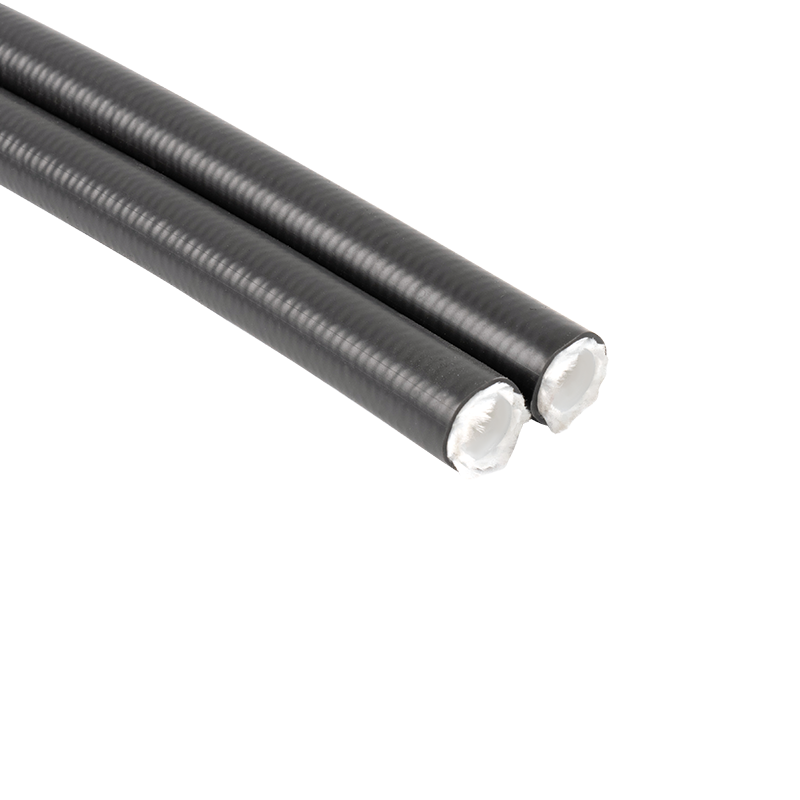
For most pneumatic tools and general air lines, a lightweight PU air hose offers a good balance of flexibility, moisture resistance, and pressure capacity.
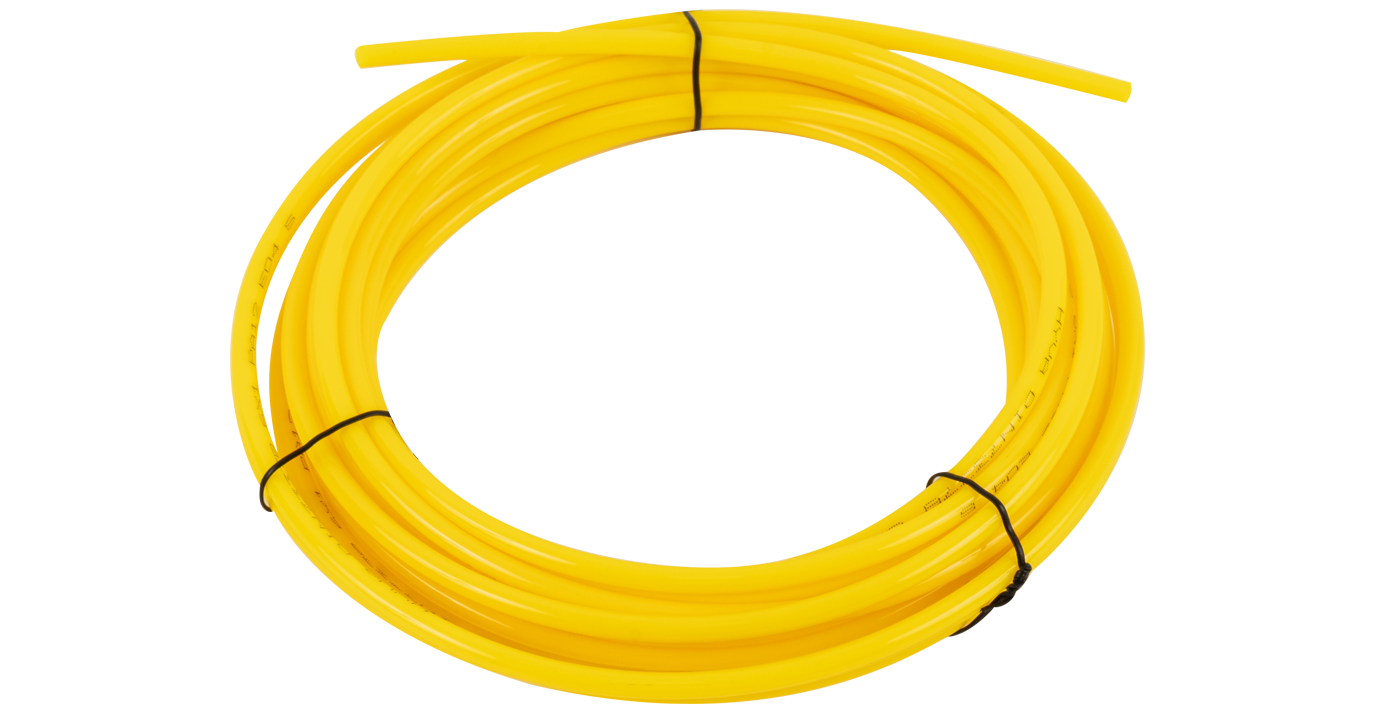 Wholesale PU Air Hose from Chinese SupplierThis lightweight PU air hose balances flexibility, moisture resistance, and pressure capacity for pneumatic tools. It is worth reviewing when comparing PU versus rubber hose options for your specific working environment.View Product →
Compared to rubber, PU hoses are lighter, stay flexible in cold weather, and resist abrasion. However, they are more sensitive to high temperatures and certain chemicals. If you need to judge whether a PU or rubber hose is better for your environment, this comparison between PU air hose and rubber air hose covers the important differences.
Before buying a larger compressor, look for savings in the air delivery system. The following steps reduce pressure loss at the tool end:
In many cases, upgrading from a narrow, coiled hose to a straight, larger diameter hose restores the pressure drop that was causing a tool to feel weak. Reviewing your whole distribution path, including fittings and filters, usually reveals more available pressure than you expect.
The number printed on an air hose is not a promise that you will get that pressure at the tool. It tells you what the hose can safely contain. The pressure you actually receive depends on the flow rate, the length and diameter of the hose, the number of fittings, and the condition of each connection.
Start with a compressor and regulator that match your tools. Then choose a hose with a working pressure rating above the system pressure, and use the largest diameter that is practical for the job. By thinking of air hose pressure as a system property instead of a component label, you can solve many performance problems without buying a bigger compressor.

 Wholesale High Pressure Power Washer Hose Manufacturers




 English
 Deutsch
 中文简体

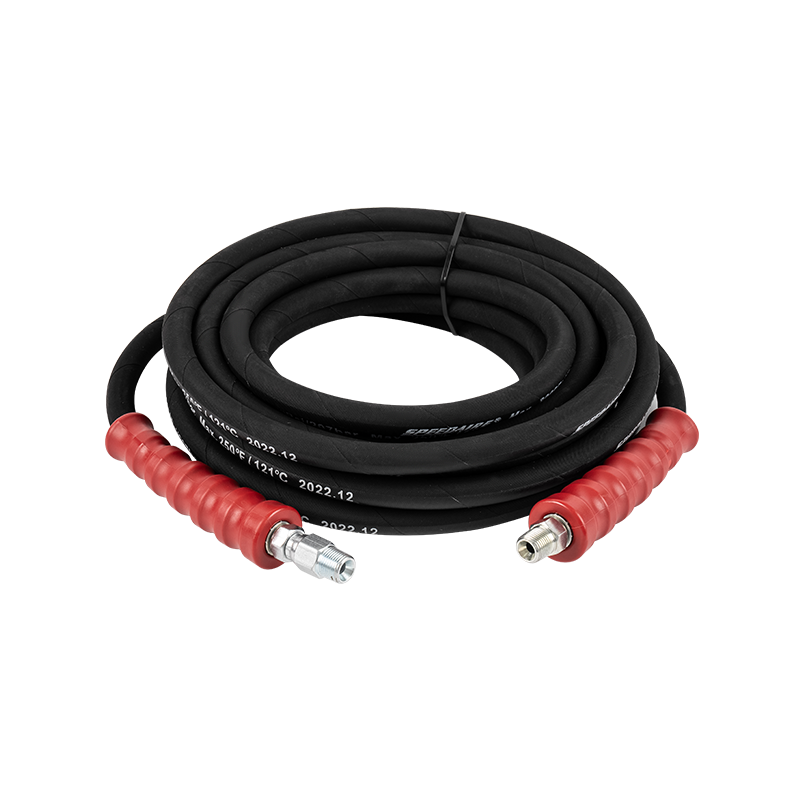
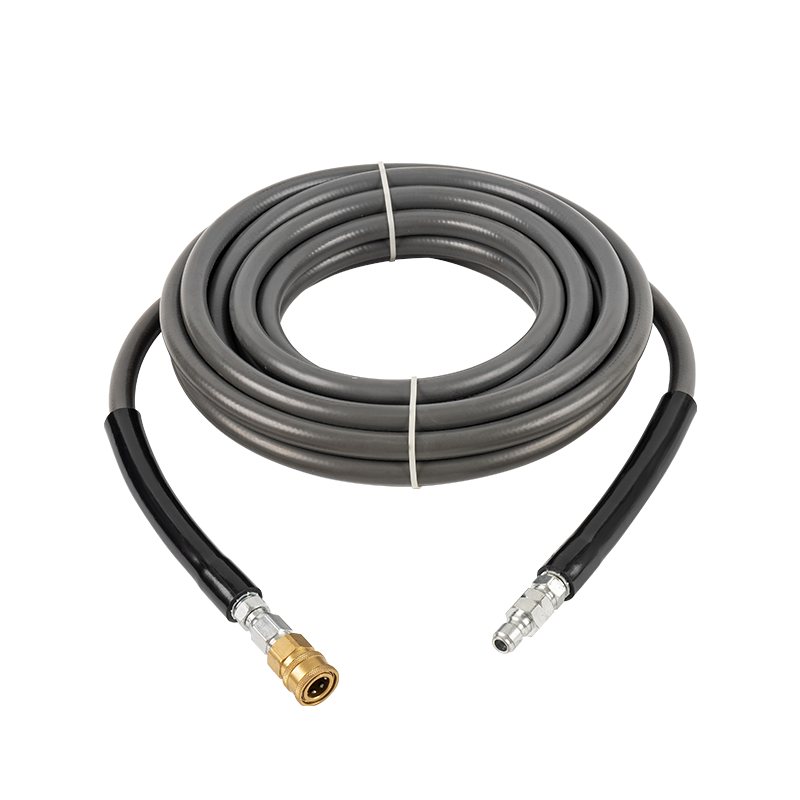
a@uze.png "3000 PSI 1/4' Flexible PE Pressure Washer Hose")