Content
The most important factors to check before buying a pressure washer hose are pressure rating (PSI), inner diameter, material, and connection type — with the hose's PSI rating needing to exceed your pressure washer's maximum output by at least 20–25% as a safety margin, since a mismatched hose is the leading cause of premature failure and burst incidents. Getting these fundamentals right ensures reliable performance and avoids the safety risks that come with an undersized or incompatible hose.
Pressure Rating (PSI): The Most Important Spec
Every pressure washer hose has a maximum working PSI rating, and using a hose rated below your machine's output pressure is the single most dangerous mismatch you can make. Pressure spikes during startup or trigger-gun activation can briefly exceed the machine's rated pressure, so the hose needs headroom beyond the nameplate PSI.
As a safety standard, choose a hose rated at least 20–25% above your pressure washer's maximum PSI — for example, a 3,000 PSI pressure washer should be paired with a hose rated for 3,600–3,750 PSI or higher, not one rated exactly at 3,000 PSI.
| Pressure Washer Type | Typical Output | Recommended Hose Rating |
|---|---|---|
| Light-duty residential | 1,500–2,000 PSI | 2,500+ PSI |
| Mid-range residential/prosumer | 2,000–3,000 PSI | 3,600+ PSI |
| Commercial/industrial | 3,000–4,000 PSI | 4,800+ PSI |
| Heavy industrial/hot water | 4,000–5,000+ PSI | 6,000+ PSI |
Hose diameter affects how much water flow reaches the nozzle, which directly impacts cleaning power. Most residential pressure washer hoses use a 1/4-inch inner diameter, while commercial units often use 3/8-inch hoses to support higher flow rates (measured in GPM).
Using an undersized diameter hose on a high-flow commercial machine can reduce output pressure at the nozzle by 10–15%, even if the hose's PSI rating is technically sufficient, because the narrower bore restricts flow and creates unnecessary friction loss over hose length.
PVC hoses are the most affordable option, suitable for light residential use. They tend to be stiffer in cold weather and generally offer the shortest service life among common hose materials, especially if kinked or dragged over rough surfaces repeatedly.
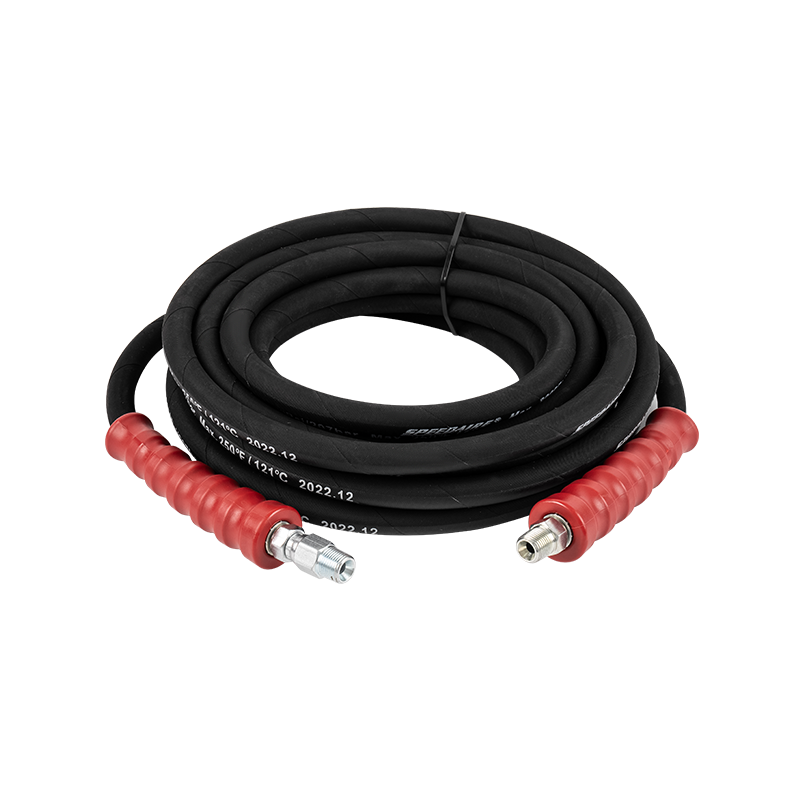
Rubber hoses offer significantly better flexibility, abrasion resistance, and temperature tolerance, making them the standard choice for commercial and industrial use. Rubber hoses typically handle temperatures up to 150°C, making them suitable for hot water pressure washing applications where PVC would degrade quickly.
Polyurethane hoses combine lightweight flexibility with strong abrasion resistance, often used in premium residential and light commercial products. They tend to resist kinking better than PVC while remaining lighter than rubber, making them popular for hoses that need frequent coiling and uncoiling.
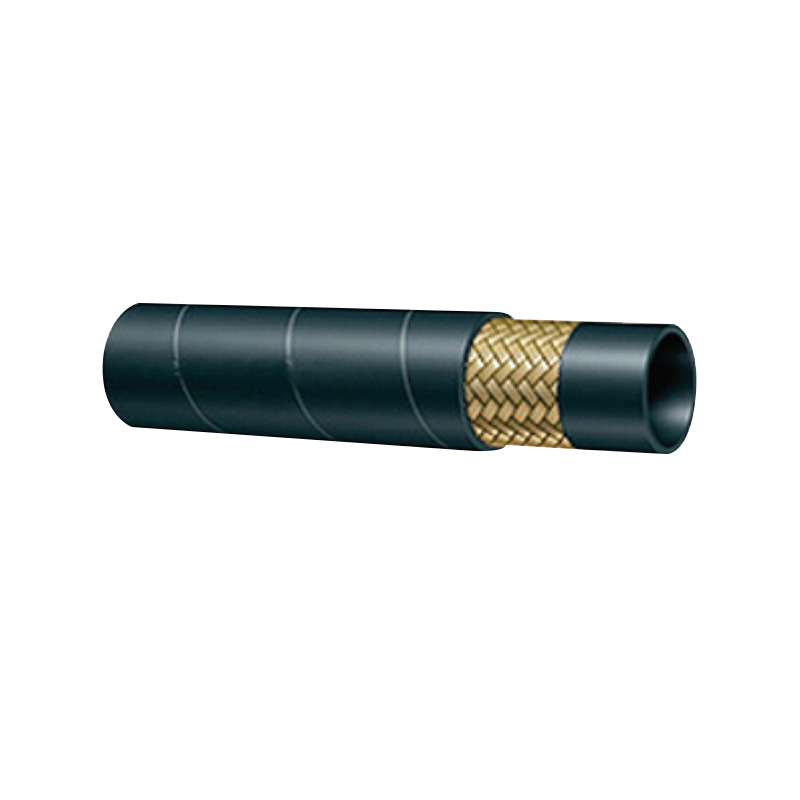
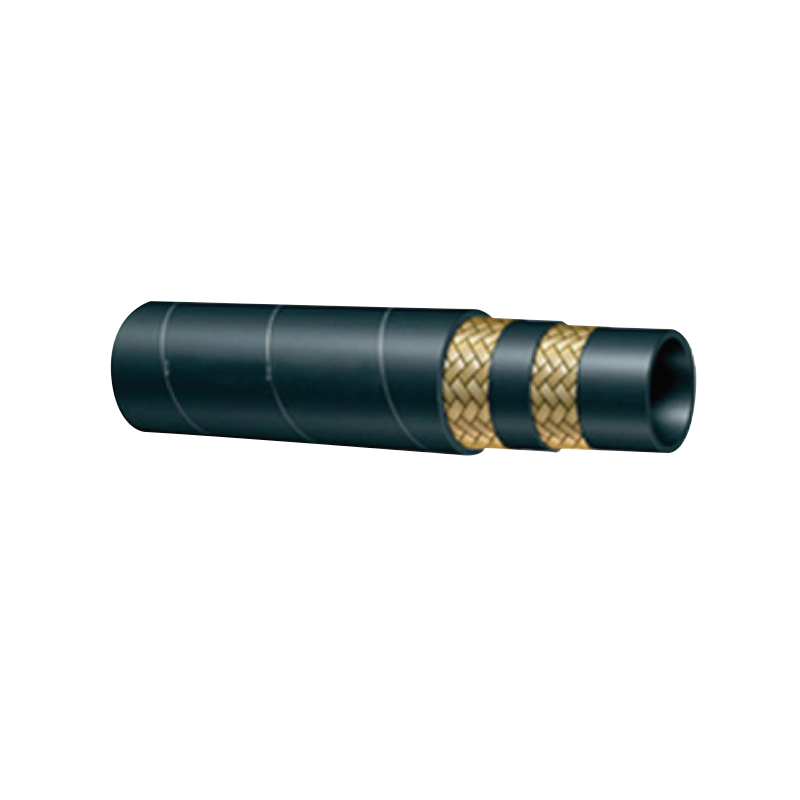
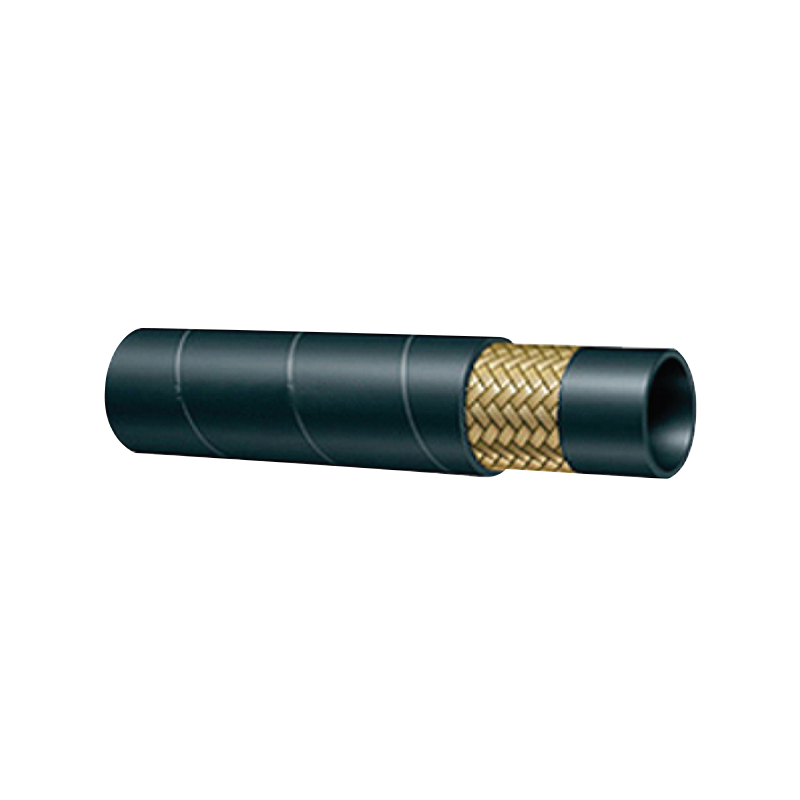
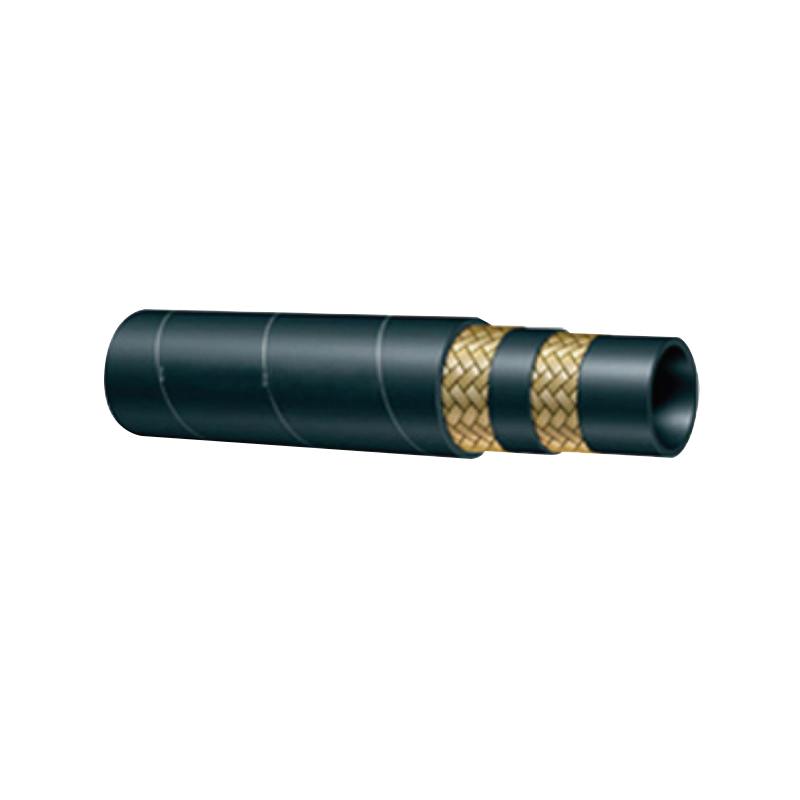
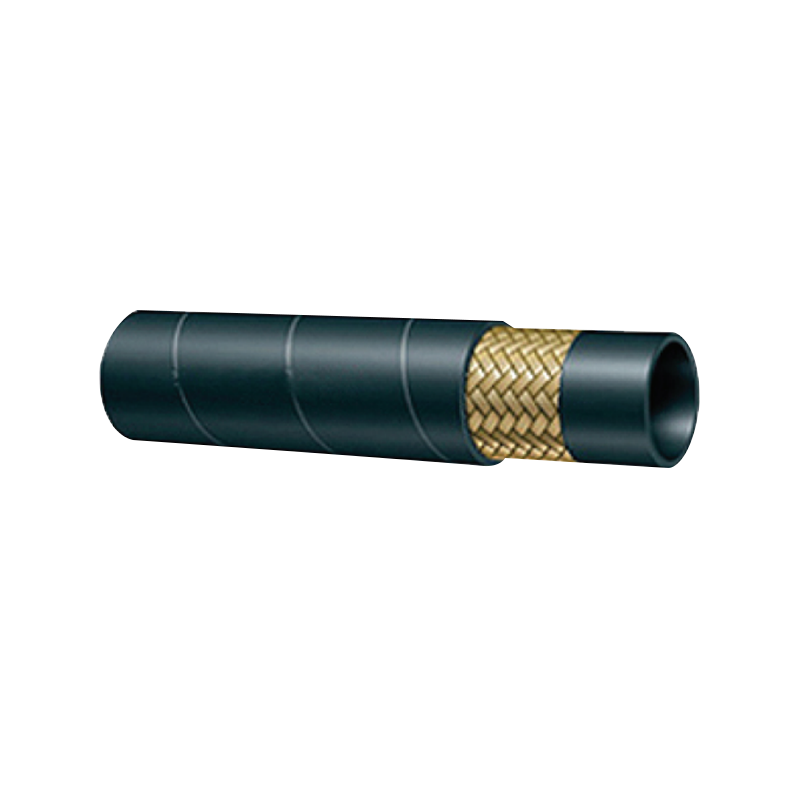
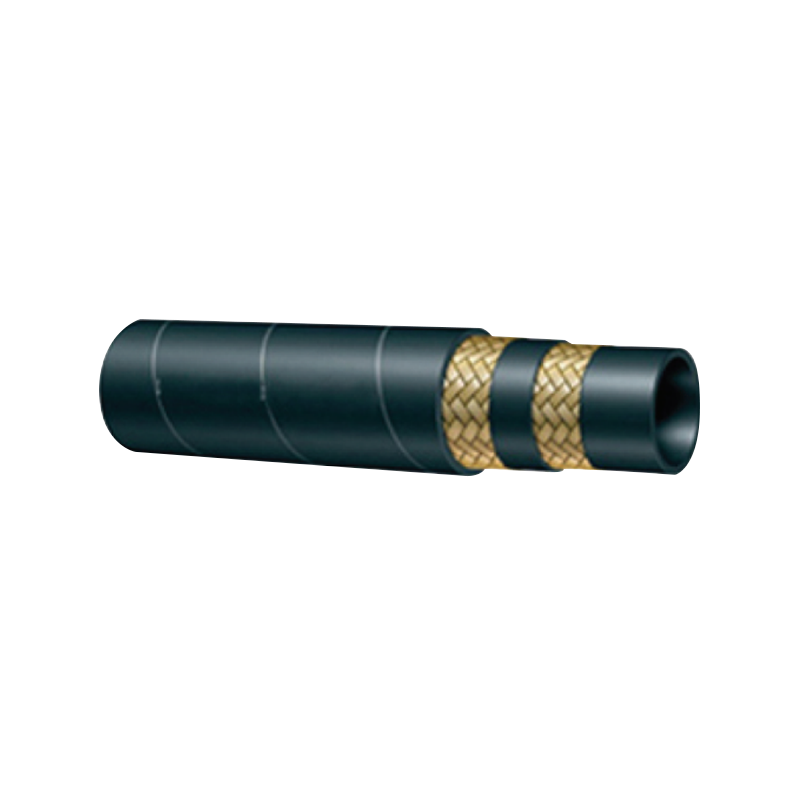
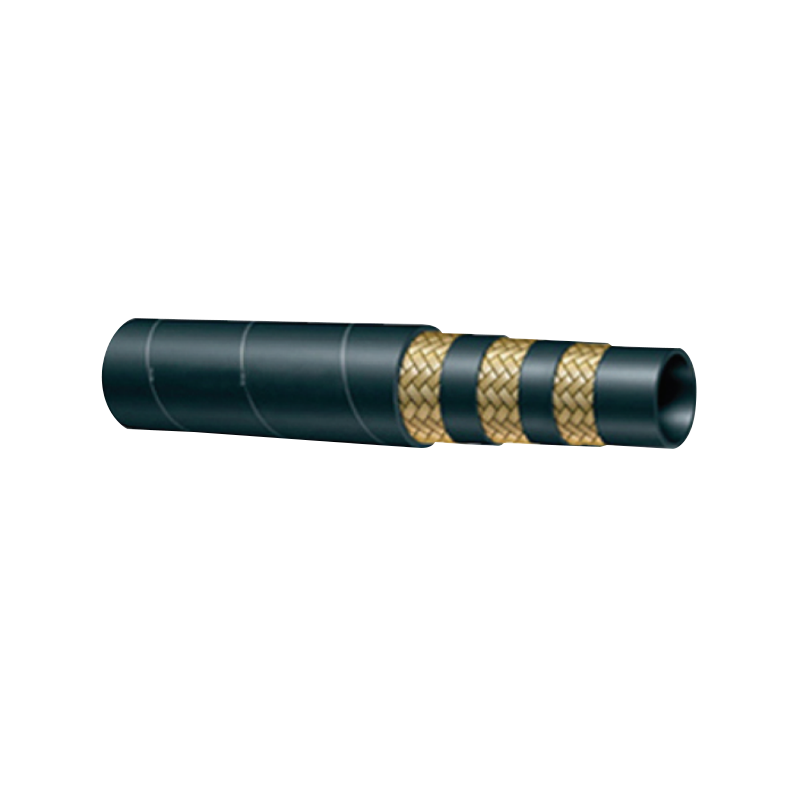
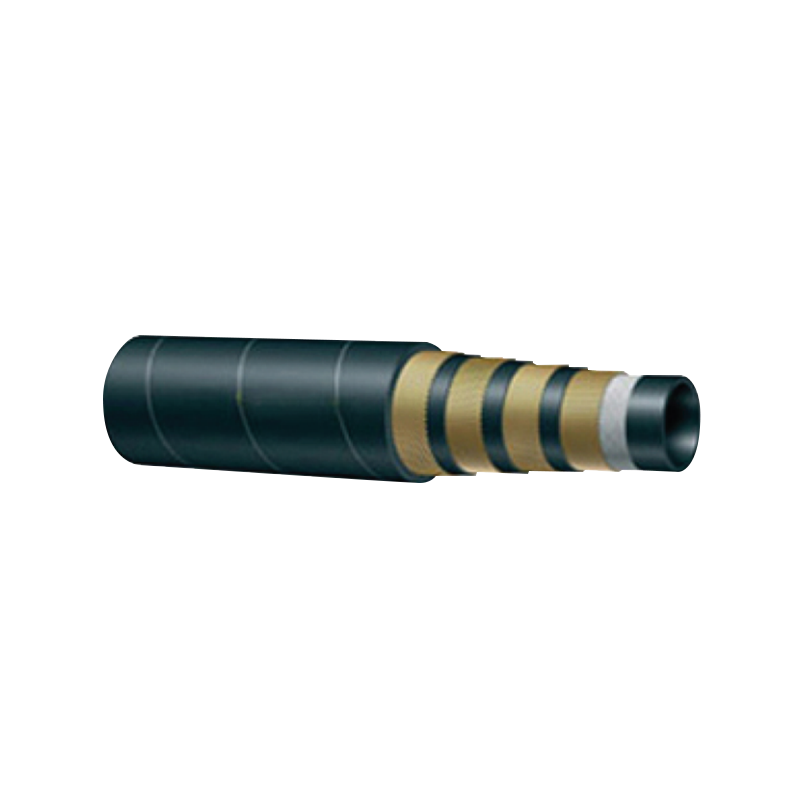
Like hydraulic hoses, pressure washer hoses rely on internal reinforcement — usually braided synthetic fiber — to withstand pressure without ballooning or bursting. Higher-pressure hoses often use multiple braid layers for added strength.
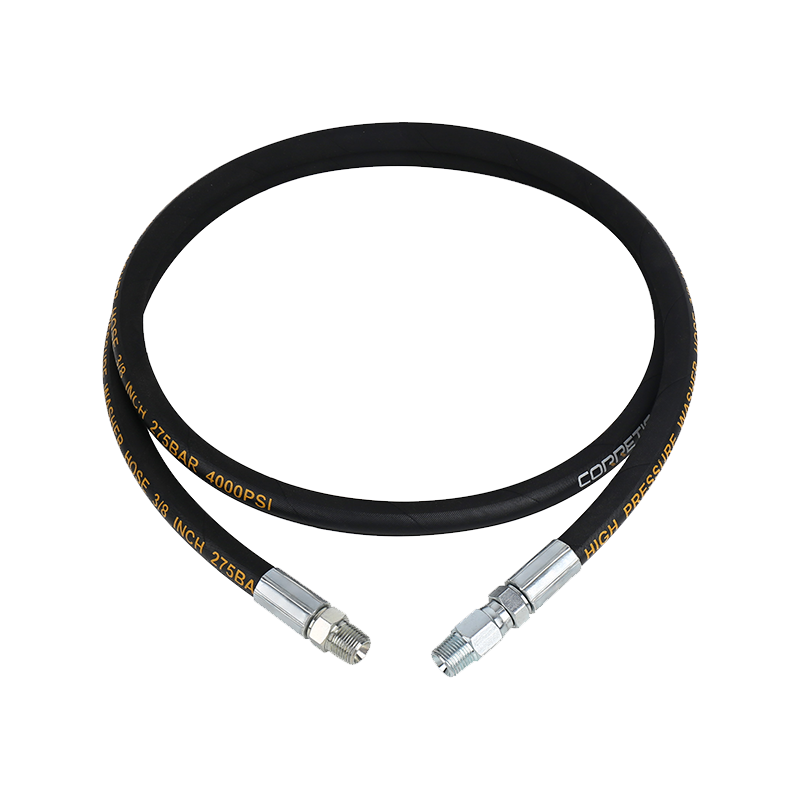
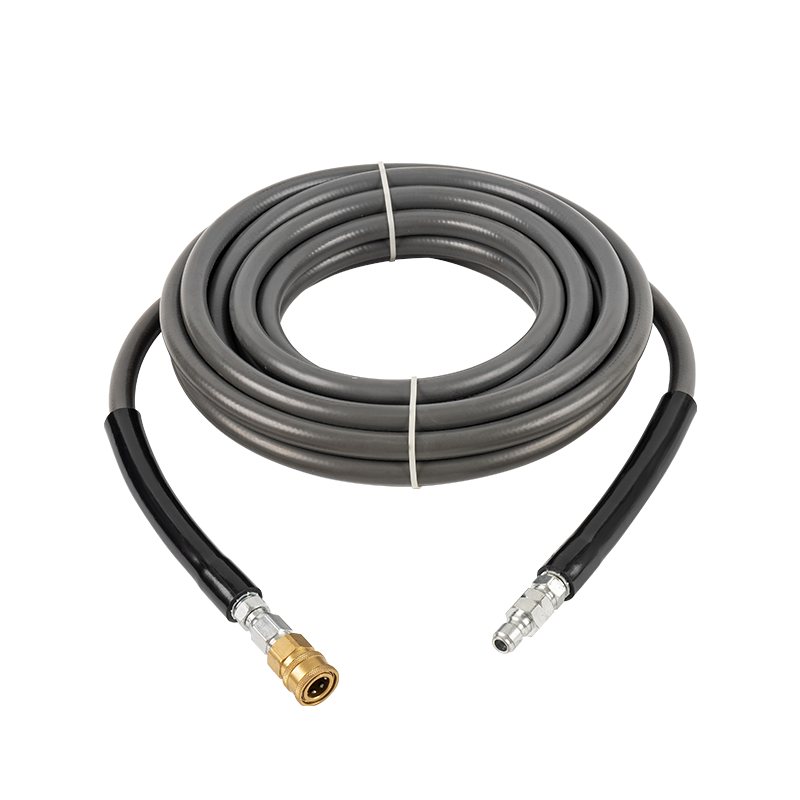
Pressure washer hoses use different fitting standards depending on the machine's brand and class — common types include M22 fittings (standard on most consumer electric and gas units) and quick-connect couplers used in some commercial systems. Confirming fitting compatibility before purchase avoids the need for separate adapters, which can introduce additional leak points.
Adapters at connection points are a common source of pressure loss and leaks, so choosing a hose with the correct native fitting for your machine is preferable whenever possible.
Longer hoses offer more reach but can slightly reduce pressure at the nozzle due to friction loss, particularly on narrower-diameter hoses. Standard residential hoses run 25–50 feet, while commercial setups often use 100 feet or more with a larger diameter to compensate for the added length.
If your tasks require extended reach, pairing a longer hose with a 3/8-inch diameter (rather than 1/4-inch) helps maintain adequate flow and pressure at the nozzle end.
Choosing the right pressure washer hose comes down to matching six factors to your specific machine and use case: pressure rating, diameter, material, reinforcement, connection type, and length. Prioritizing an adequate PSI safety margin and the correct diameter will have the biggest impact on both safety and cleaning performance, while material and reinforcement choices determine how well the hose holds up to daily wear over time.

 Wholesale High Pressure Power Washer Hose Manufacturers




 English
 Deutsch
 中文简体

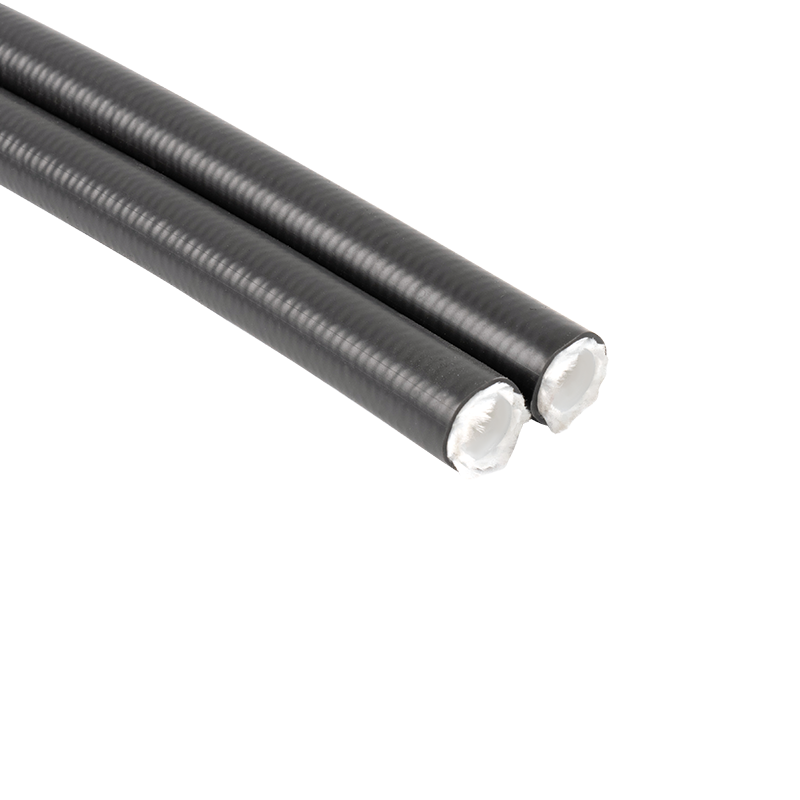
a@uze.png "3000 PSI 1/4' Flexible PE Pressure Washer Hose")