Content
Imagine you are verifying a new batch of hydraulic hoses before they go into a machine. The label says “SAE 100R2AT,” and the supplier confirms it meets SAE J517. Your hydraulic oil is compatible, the working pressure looks right, and the hoses are fitted with the correct couplings. Yet after a short period of operation, the hose begins to leak near the crimped fitting. The failure is not necessarily a quality problem. Often it is a mismatch between what SAE J517 actually specifies and what the buyer assumes it specifies.
SAE J517 is a practical, verifiable framework. It defines the general, dimensional, and performance requirements for the most commonly used hydraulic hoses in mobile and stationary hydraulic systems. Understanding the standard—especially the 100R series designations—lets you assess risk before installing a single hose, and it gives you a defensible basis for accepting or rejecting a supplier’s product.
SAE J517 is published by the Society of Automotive Engineers. It is not a single specification for every hydraulic hose on the market. Instead, it sets out a common structure for a family of hoses used in a wide range of hydraulic circuits. The standard is organized around the “100R” series, which runs from 100R1 through higher-numbered series that include 100R13 and 100R15.
For each series, the standard specifies the inner tube material, reinforcement construction, cover characteristics, dimensional tolerances, and minimum performance values. These values include maximum working pressure, proof pressure, minimum burst pressure, minimum bend radius, temperature range, and pulse endurance. When a supplier labels a hose as “SAE 100R2AT,” that label refers to a specific set of design requirements, not to a vague promise of “good quality.”
The “AT” designation in series such as 100R1AT and 100R2AT indicates a hose construction intended for use with detachable or permanent couplings, subject to the assembly requirements in the standard. This distinction matters because the performance of a hose in service depends on the connection just as much as on the hose body.
The most practical way to use SAE J517 is to understand how the series differ in construction. Each series uses a different reinforcement arrangement—usually a steel wire braid or a spiral wrap of steel wire—which determines the pressure capability and the flexibility of the hose.
| Series | Construction | Typical Pressure Class |
|---|---|---|
| 100R1AT | Single steel wire braid | Medium-high |
| 100R2AT | Double steel wire braid | High |
| 100R4/100R5/100R6 | Textile or hybrid reinforcement | Low-medium |
| 100R7/100R8 | Thermoplastic | Medium-high |
| 100R9 through 100R12 | Multi-layer spiral steel wire | High to very high |
| 100R13/100R15 | Multi-layer spiral steel wire | Very high to ultra-high |
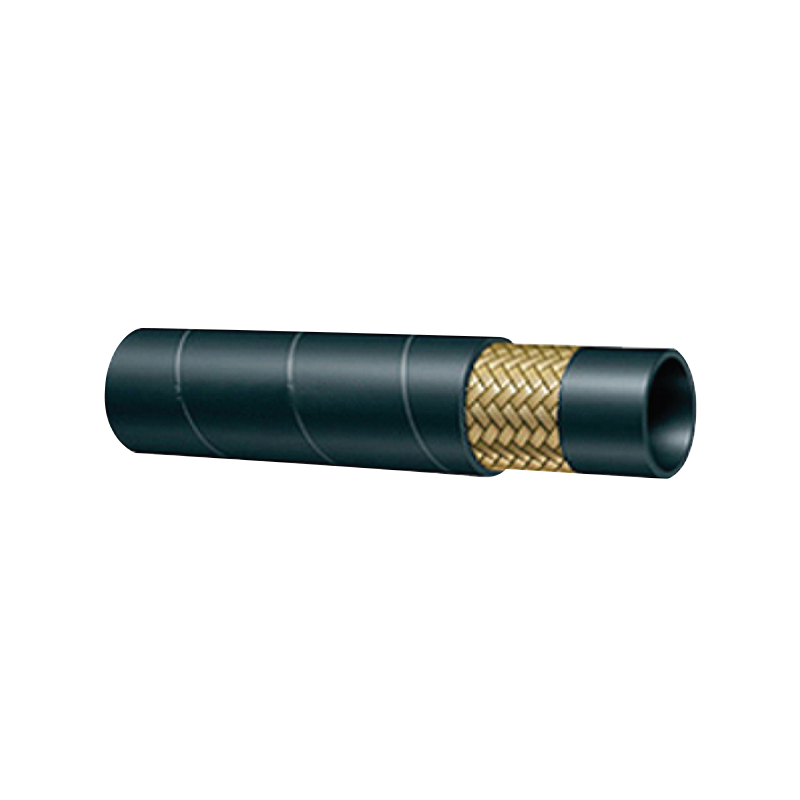
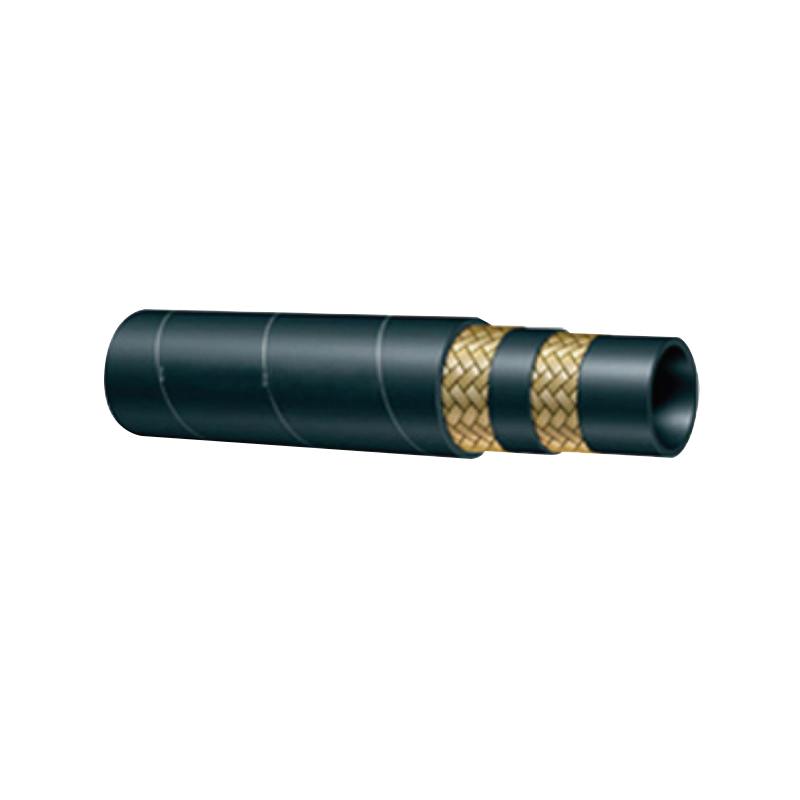
For hydraulic power transmission in construction machinery and general industrial equipment, the braided types are the most common OEM choices. SAE 100R1AT is a single-wire braided hose used where pressure is moderate and flexibility is important. SAE 100R2AT is a double-wire braided replacement for applications where higher pressure is required. The difference in pressure capacity is meaningful: for the same dash size, a 100R2AT hose typically provides roughly 67% more maximum working pressure than an equivalent 100R1AT.
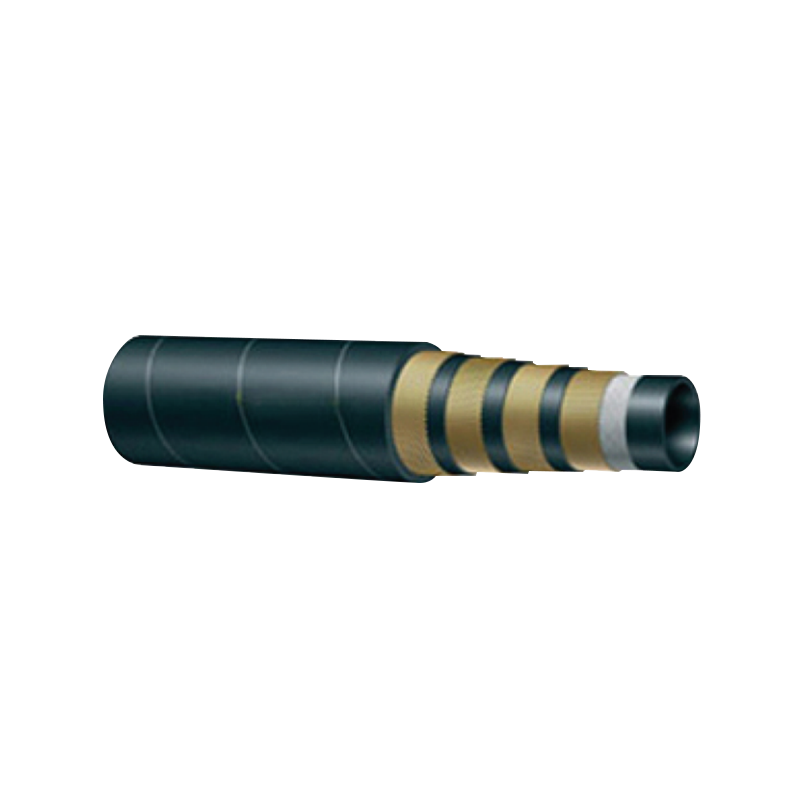
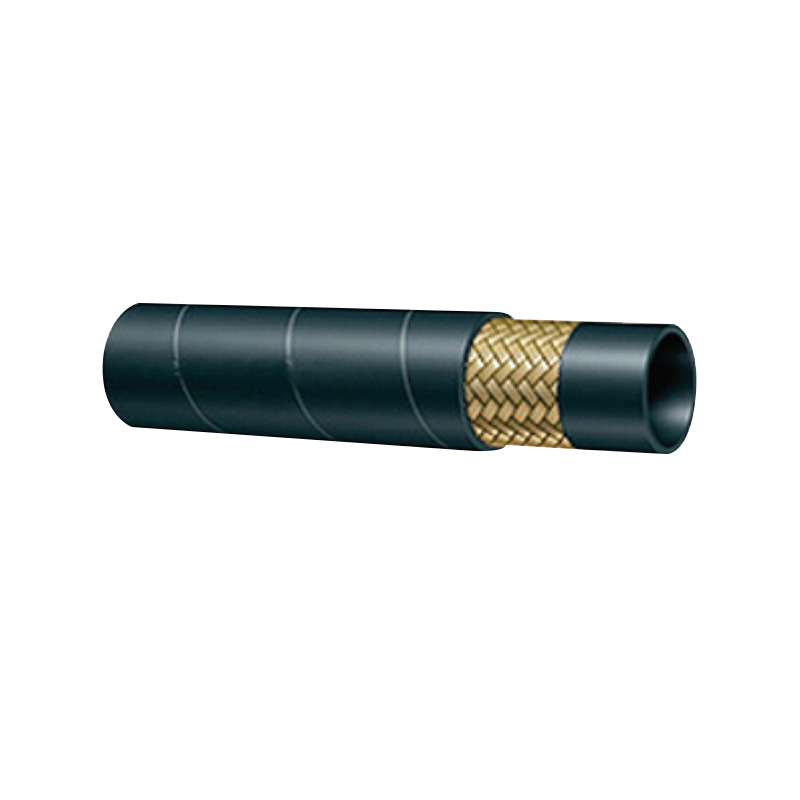 Single-Wire Braided Hydraulic Hose for Moderate Pressure ApplicationsSAE 100R1AT is a single steel wire braided hose designed for hydraulic systems where moderate pressure and flexibility are key. It is suitable for industrial and agricultural machinery, offering reliable performance in transmission of hydraulic fluids.View Product →
When the hydraulic system runs at consistently high pressure or when pressure spikes are common, the design moves from braided reinforcement to spiral reinforcement. Each additional spiral layer adds strength and improves fatigue resistance, but it reduces flexibility and increases the hose’s minimum bend radius. This is the trade-off you must weigh when comparing SAE 100R2AT with a multi-spiral product.
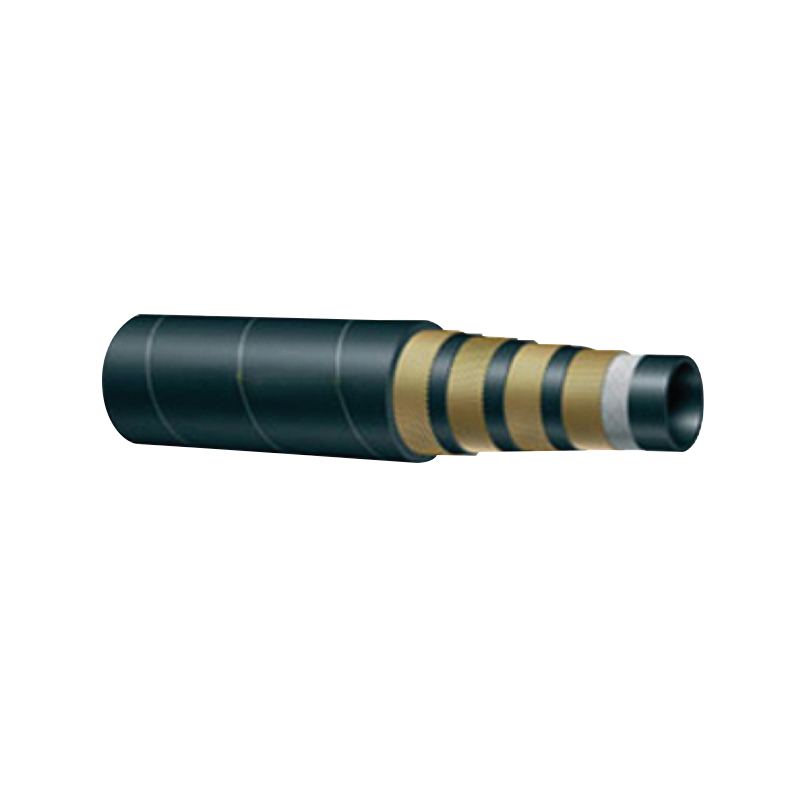
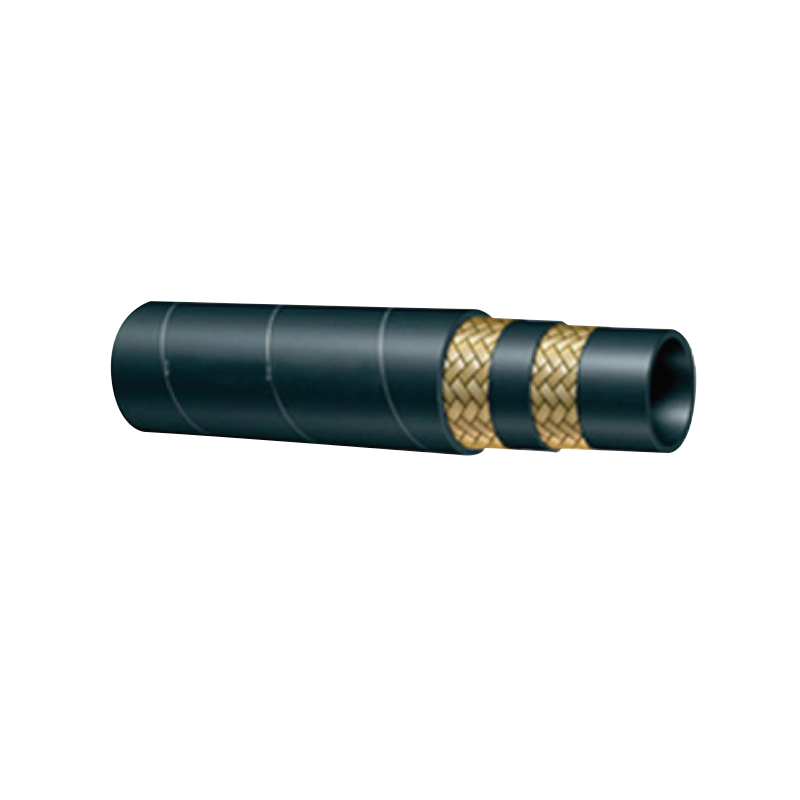 Double-Wire Braided Hydraulic Hose for Higher Pressure NeedsSAE 100R2AT features two layers of steel wire braiding, providing about 67% higher working pressure than 100R1AT. Ideal for construction and industrial equipment that require enhanced pressure resistance while maintaining good bendability.View Product →
When you compare hoses from different suppliers, SAE J517 gives you a baseline for evaluating whether the product meets a minimum performance threshold. But the practical decision rarely stops at the logo on the hose cover.
SAE J517 defines maximum working pressure as the highest pressure the hose may carry continuously. Proof pressure is a short-term test that confirms the hose can withstand an overpressure without permanent deformation. Minimum burst pressure is the pressure at which the hose is expected to fail. For most 100R series, the minimum burst pressure is at least four times the maximum working pressure.
The standard specifies a service temperature range that depends on the tube compound. For standard hydraulic oils, the common range is from about -40°C to +100°C. Selecting a hose with a marginal temperature rating near the upper end can lead to rapid aging of the inner tube and a shorter service life.
One of the most commonly overlooked factors is the minimum bend radius. A hose that is bent too tightly in a machine may have its wire reinforcement fatigue in a relatively short time. The standard gives a minimum bend radius for each series, and it is worth checking that value against your actual installation route. If your equipment has limited space, a braided hose with a smaller bend radius may be safer than a spiral hose that would otherwise work on pressure.
A supplier that cannot provide test data against the relevant SAE standard should raise a red flag. The cost of a hose is small compared with the cost of unplanned downtime, and the consequences of a burst in a hydraulic system can be serious. This is why verifying high-pressure rubber hose safety is part of a sound procurement process.
Choosing the right series requires looking at the hydraulic circuit’s pressure profile and the physical demands of the machine. If the system is a mobile excavator or a stationary hydraulic press, the pressure and flow dynamics are very different from a low-pressure filtration loop.
For medium-pressure circuits that require flexible routing, a braided hose in the SAE 100R1 family is a natural fit. For higher pressure hydraulic systems, such as those found in heavy construction machinery, double-wire or multi-layer spiral hoses are preferred. The reinforcement structure determines how efficiently the hose resists both static pressure and shock loads.
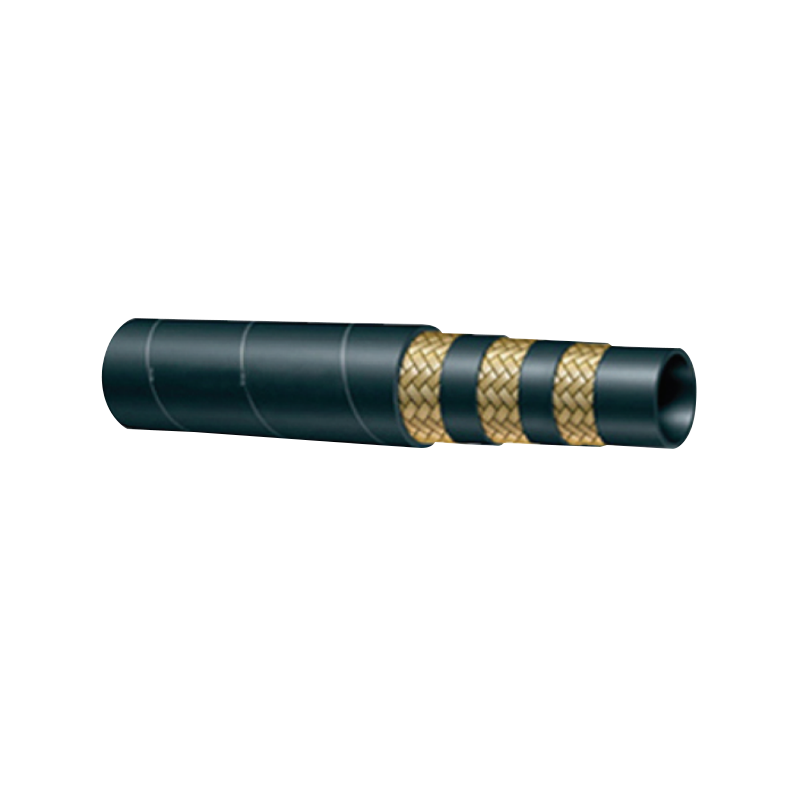
For extreme pressure, high-impulse duties, the multi-spiral series becomes necessary. SAE 100R13, for instance, is a six-plies steel wire spiral construction that is used in applications where conventional braided hoses would wear out prematurely. Its higher pressure capacity and improved fatigue life justify the added stiffness and cost in equipment where reliability is the primary concern.
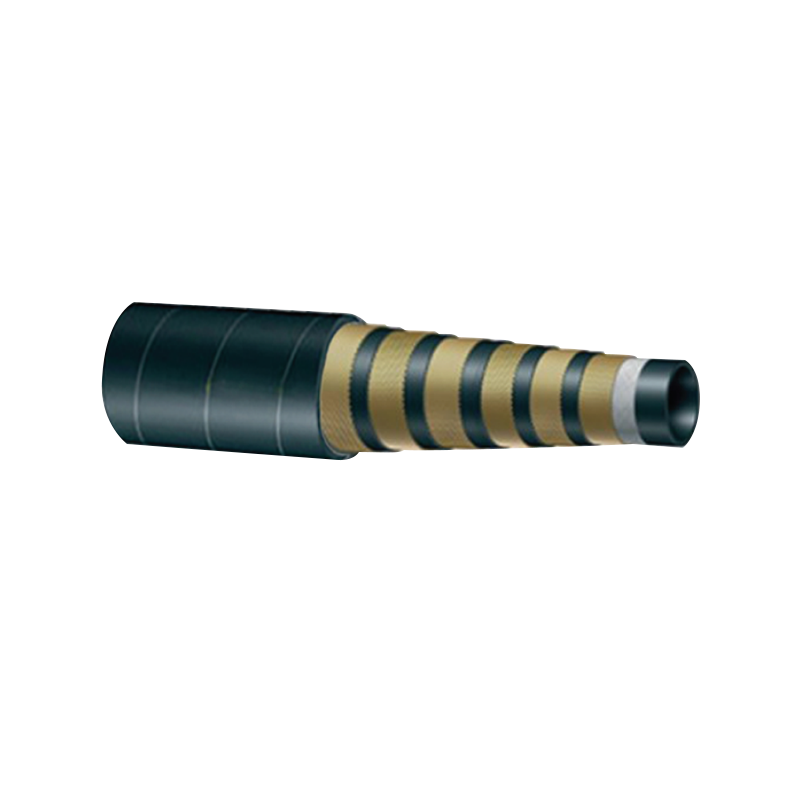
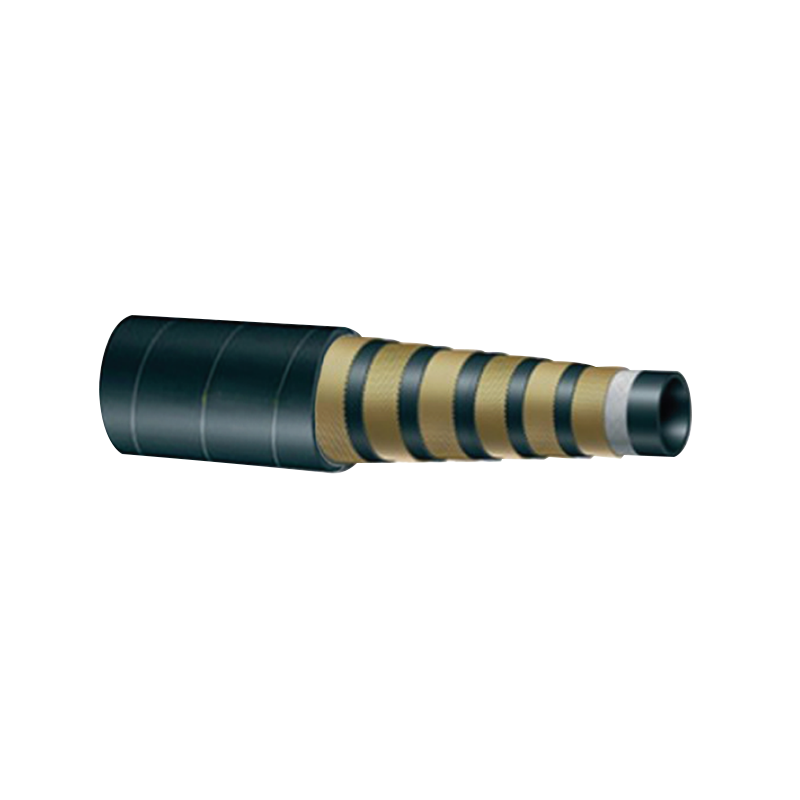 Six-Layer Spiral Wire Hydraulic Hose for Extreme PressureSAE 100R13 is constructed with six plies of spiral steel wire, offering superior pressure capacity and fatigue life for high-impulse, extreme-pressure applications. Its robust design suits demanding environments where reliability is paramount.View Product →
Even a hose that fully meets SAE J517 can deliver poor performance if the end fittings are not selected correctly or the crimping process is inconsistent. Standard compliance applies to the hose body, but a real hydraulic hose assembly is a system consisting of the hose, the couplings, and the crimped joint.
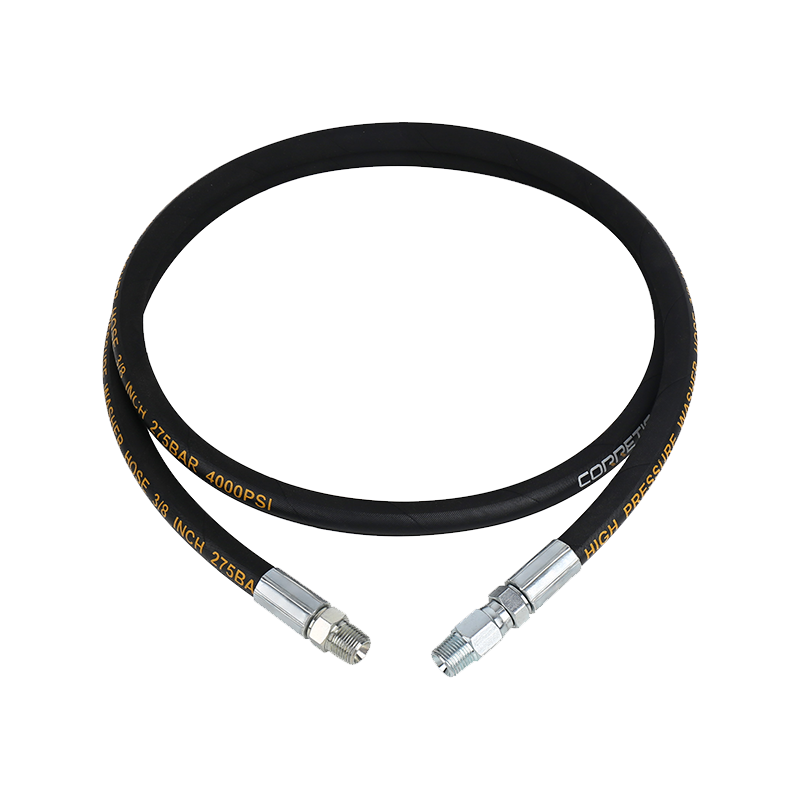
The standard does not cover the many possible combinations of hoses and fittings. It provides dimensional and performance criteria for the hose itself. This is why an experienced supplier with assembly capability is valuable. A supplier that has the capability to produce complete assemblies, such as hydraulic pipe assemblies and cleaning pipe assemblies, understands the practical constraints of dimension, crimp, and packaging. When you receive a fitted hose, it is important to confirm that the crimp dimension, the fitting type, and the swaging process match the hose manufacturer’s recommendations.
During acceptance, ask for proof pressure and burst pressure test records for the specific lot. A certificate of conformity to SAE J517 is useful, but documented test data on the ordered hose is more convincing. This is especially true when the supplier is a tube and hose manufacturer producing large volumes, where process consistency matters as much as the design.
SAE J517 is one of the most reliable baseline standards in hydraulic hose procurement. It gives careful buyers a way to compare construction, pressure capability, and performance without relying on marketing claims. However, the real value of the standard is in how you use it.
Start by confirming which 100R series your application requires. Check the reinforcement structure, working pressure, temperature range, and bending radius against the actual machine layout. Then verify that the supplier can back up the SAE designation with test data and reliable assembly practice. When these steps are taken consistently, the chance of premature hose failure drops considerably, and maintenance costs become easier to predict.

 Wholesale High Pressure Power Washer Hose Manufacturers




 English
 Deutsch
 中文简体

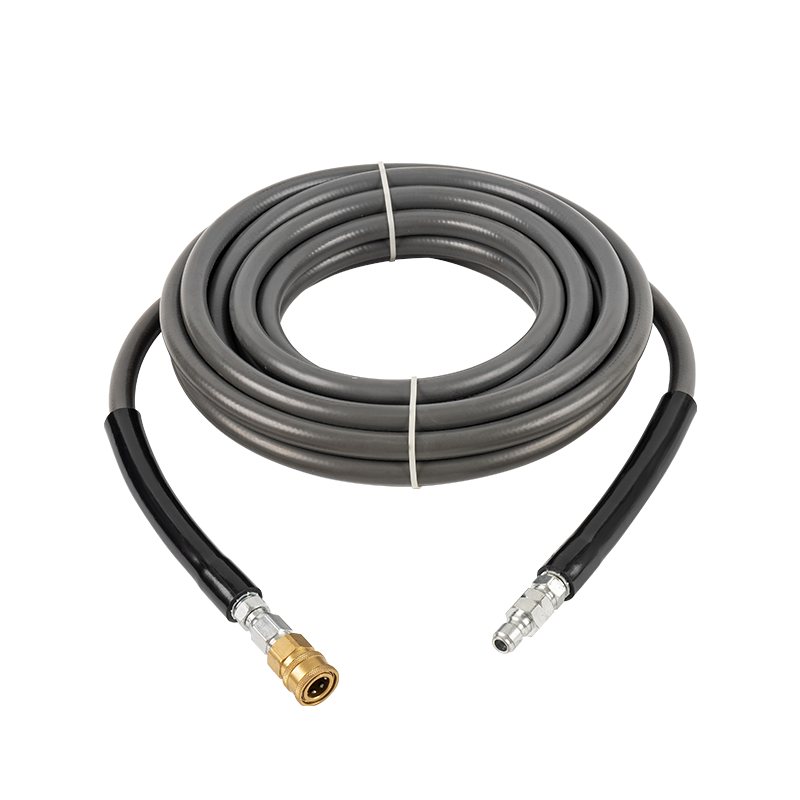
a@uze.png "3000 PSI 1/4' Flexible PE Pressure Washer Hose")