Content
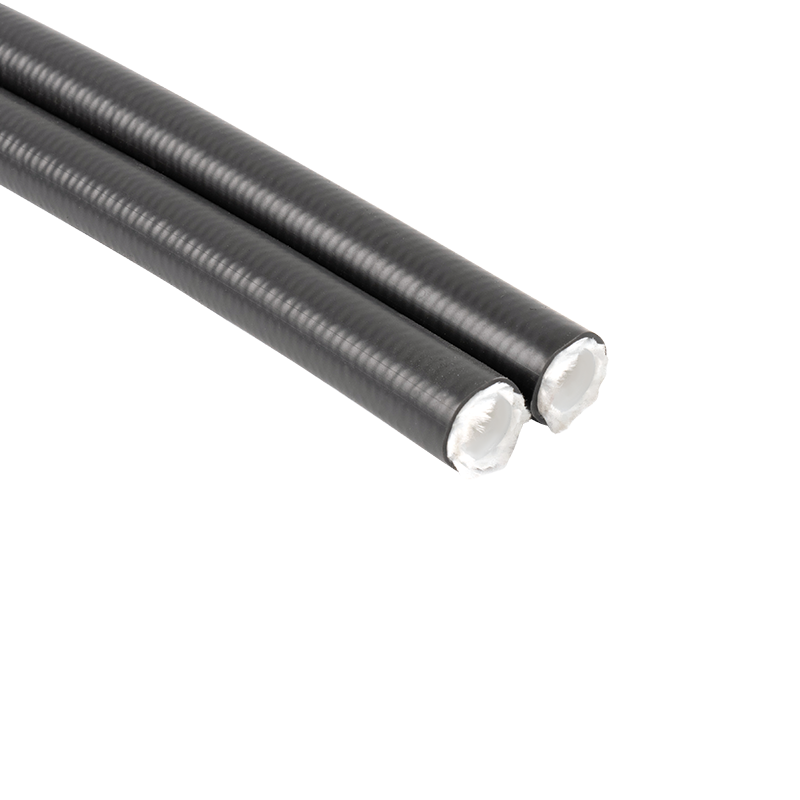
Pressure washer hoses and garden hoses are not interchangeable because garden hoses are rated for only 40–80 PSI while pressure washers operate at 1,500 to 4,000+ PSI — using a garden hose downstream of a pressure washer pump will cause it to burst, and using a pressure washer hose on a standard outdoor faucet won't function properly since it lacks the low-pressure fittings garden equipment requires. The two hose types are built from fundamentally different materials and construction standards, each engineered for a specific pressure range and purpose.
The Core Difference: Pressure Rating
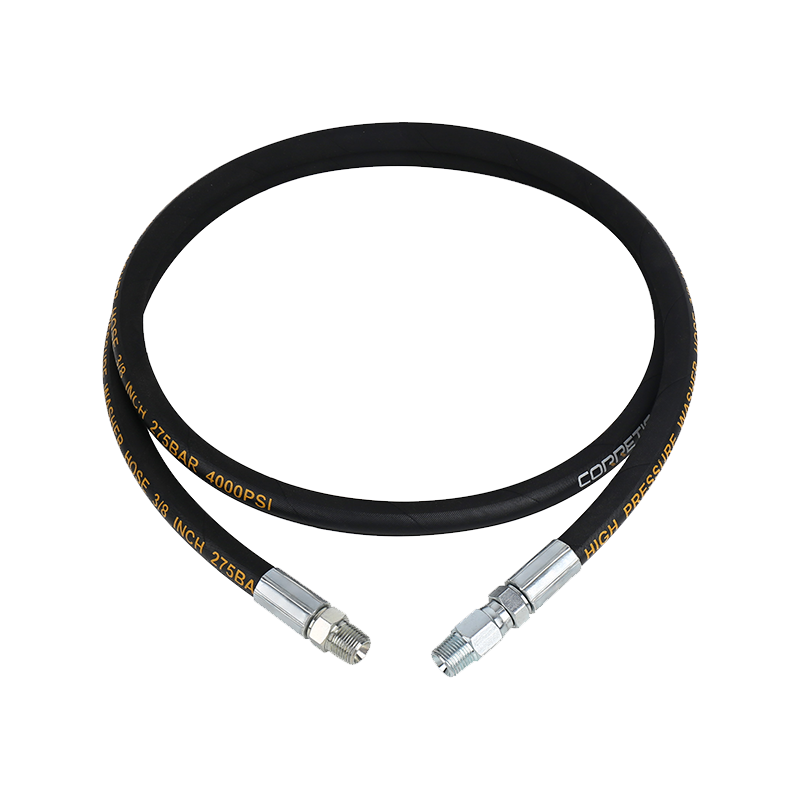
The single biggest difference between these two hose types is the pressure they're built to withstand. A standard garden hose is designed to carry water from a household spigot at typical municipal water pressure, while a pressure washer hose carries water that has been mechanically pressurized far beyond what any home water line produces.
Garden hoses are typically rated for 40–80 PSI, while even entry-level electric pressure washers output 1,500–2,000 PSI — meaning a garden hose used on the high-pressure side of the system would be operating at roughly 20 to 50 times its rated capacity, an almost certain recipe for rupture.
It's worth clarifying that a pressure washer setup actually uses both hose types, just in different places. A standard garden hose connects your house's water spigot to the pressure washer's water inlet, supplying the machine with low-pressure water. The pressure washer hose then carries the pressurized output from the pump to the spray gun and nozzle. Confusing these roles — or trying to substitute one hose for the other — is where the danger comes in.
| Feature | Garden Hose | Pressure Washer Hose |
|---|---|---|
| Typical PSI rating | 40–80 PSI | 1,500–4,000+ PSI |
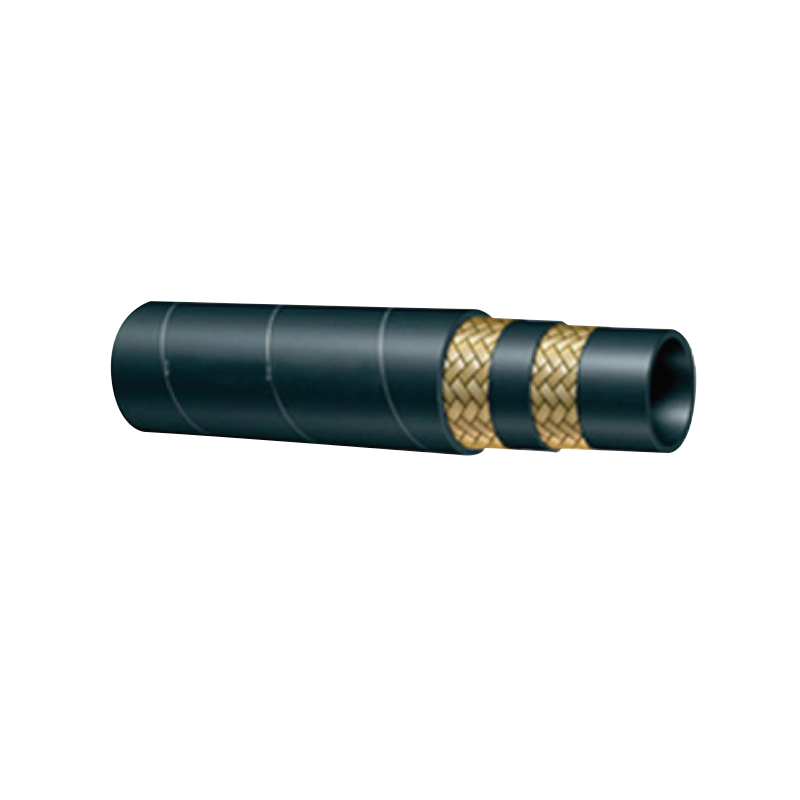
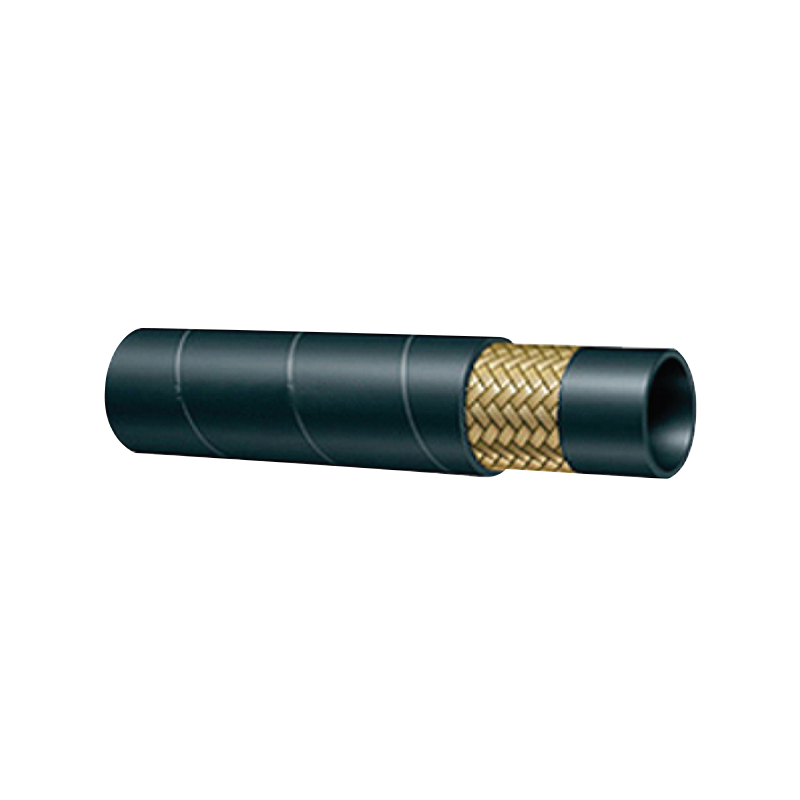
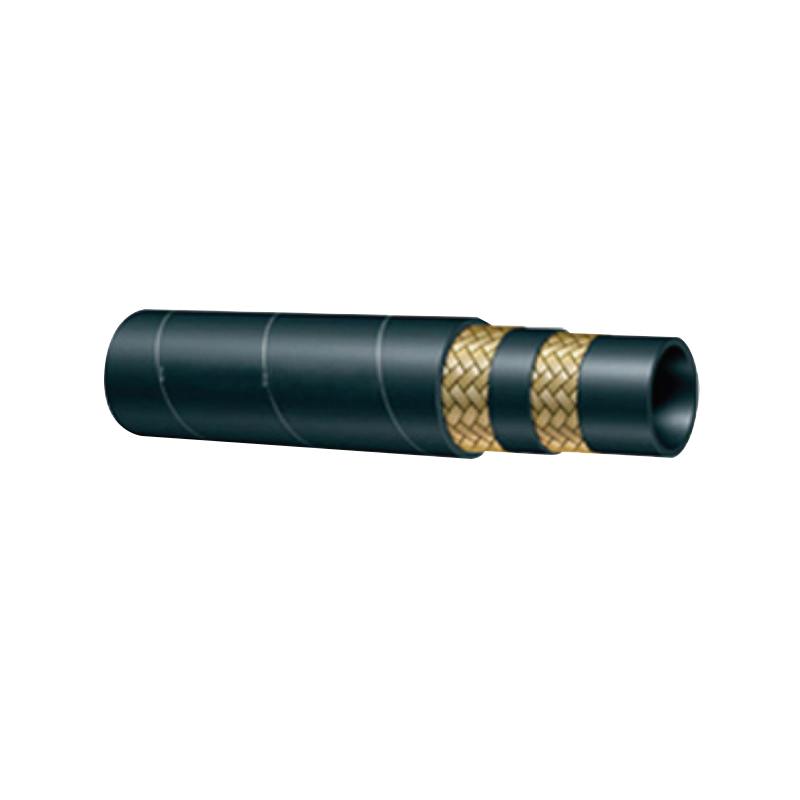
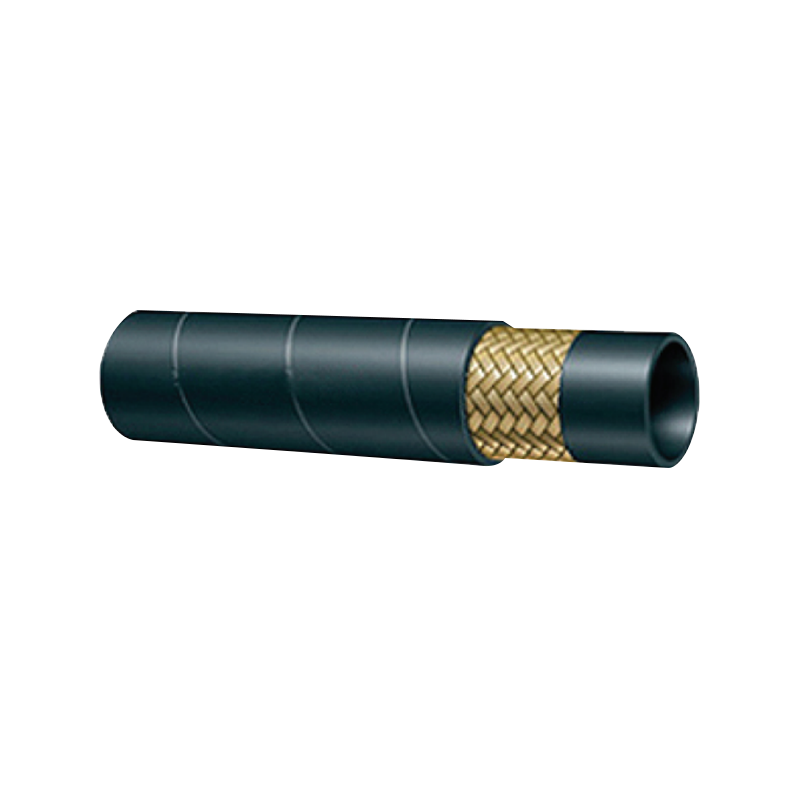
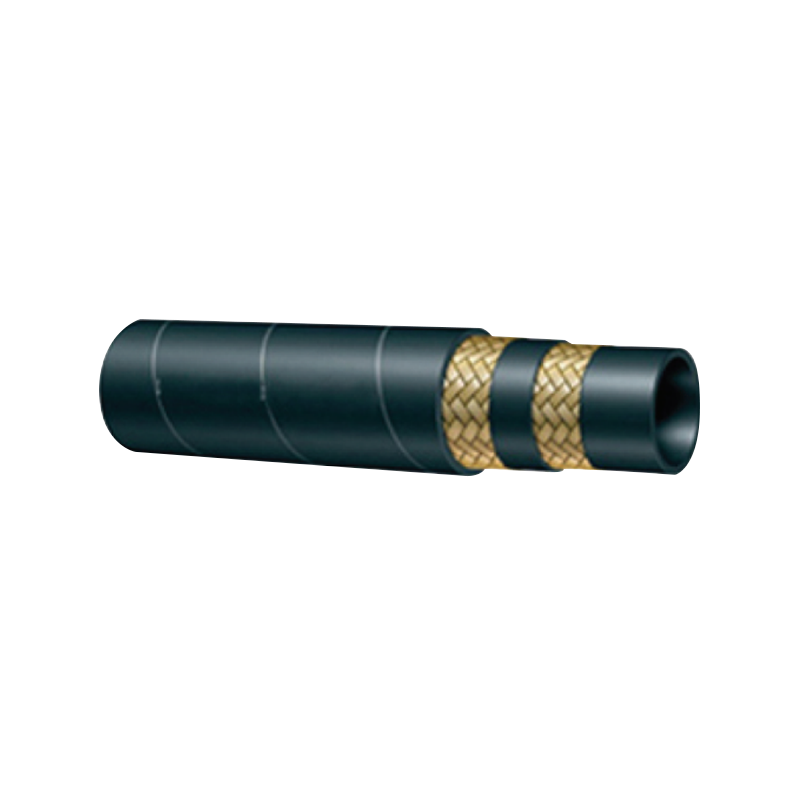
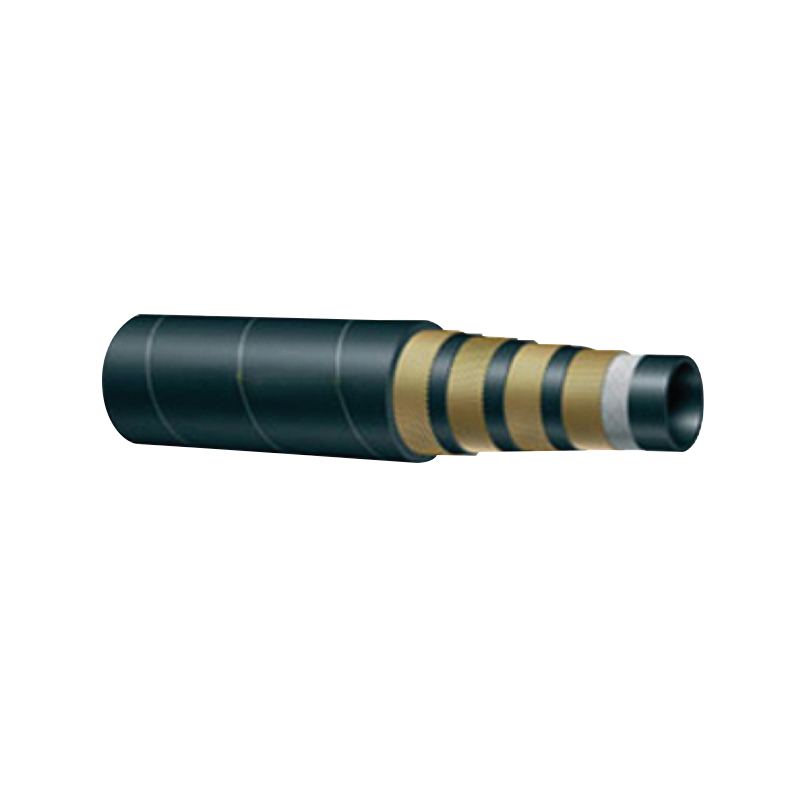
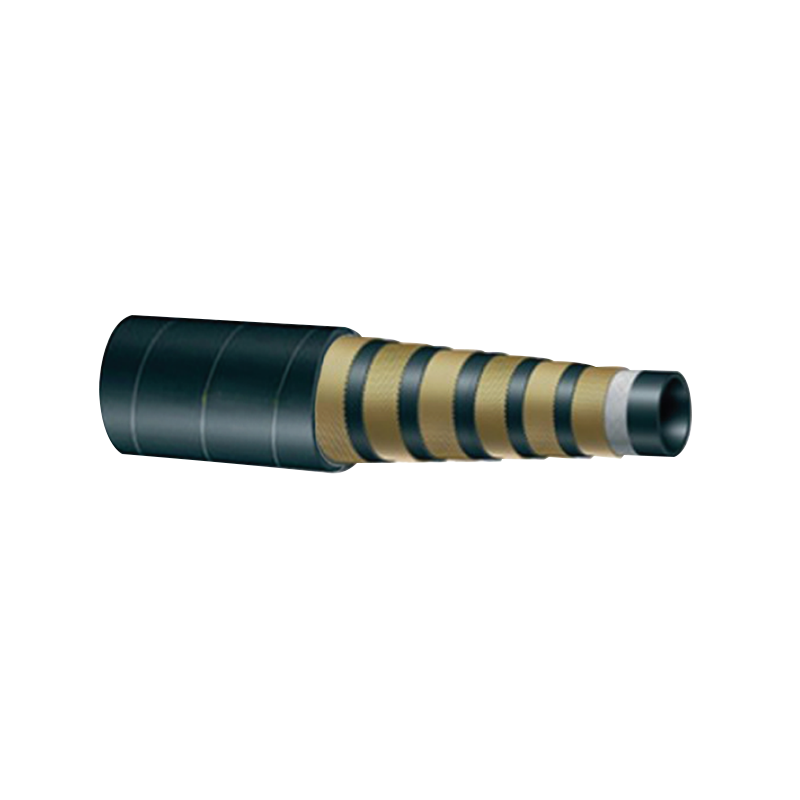
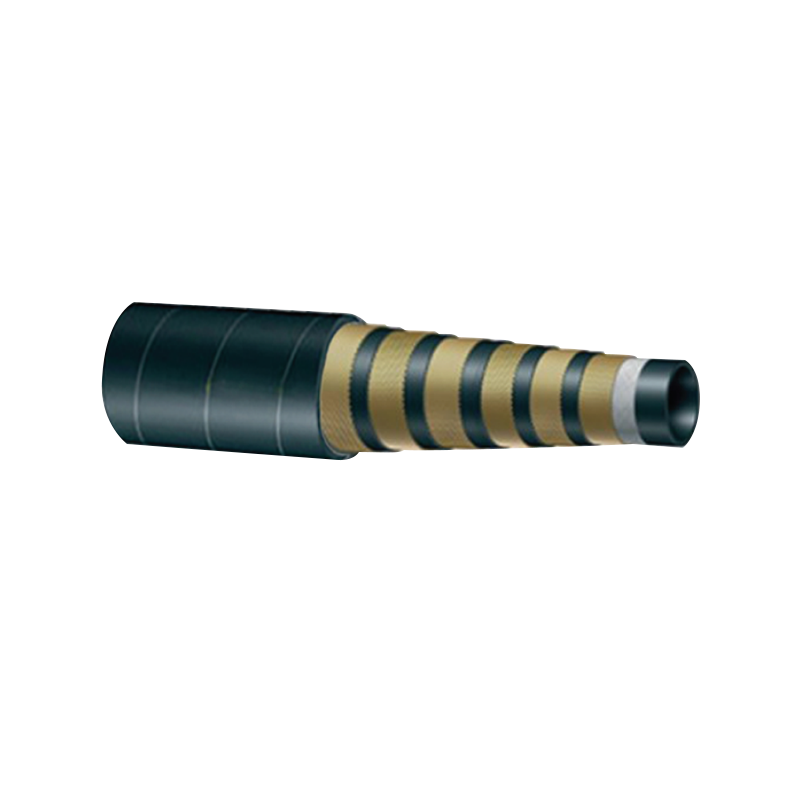
| Internal reinforcement | Minimal or none | Braided synthetic fiber or steel wire |
| Thin, flexible rubber/vinyl | Thicker, multi-layer construction | |
| Fitting type | Standard 3/4" garden hose thread (GHT) | M22 or quick-connect high-pressure fittings |
| Typical inner diameter | 1/2"–5/8" | 1/4"–3/8" |
Garden hoses are built with a single, relatively thin rubber or vinyl wall and little to no internal reinforcement, since they're only expected to handle gentle household water pressure. When exposed to the output pressure of a pressure washer pump, the hose wall simply cannot contain the force — it will typically bulge, split, or blow off its fittings, sometimes violently.
A hose failure at 2,000+ PSI can release water and hose material with enough force to cause injury, which is why manufacturers explicitly warn against using anything other than a rated pressure washer hose on the high-pressure output side of the machine.
The mismatch works both ways. Pressure washer hoses use narrower diameters (often 1/4" to 3/8") optimized for high-pressure, lower-flow applications, along with fittings — typically M22 threads — that won't connect to a standard outdoor spigot without an adapter. Even with an adapter, the narrow diameter would restrict flow far below what's needed for typical garden or irrigation use, making it an impractical and inefficient substitute.
Garden hoses and pressure washer hoses are built for entirely different pressure environments and serve different roles within the same cleaning system — one supplies low-pressure water into the machine, the other carries pressurized water out to the nozzle. Substituting one for the other isn't just a performance issue; it's a genuine safety risk, particularly when a garden hose is forced to handle pressures dozens of times beyond its rated capacity. Using the correct hose in the correct position is a simple step that keeps both your equipment and yourself safe.

 Wholesale High Pressure Power Washer Hose Manufacturers




 English
 Deutsch
 中文简体

a@uze.png "3000 PSI 1/4' Flexible PE Pressure Washer Hose")