Content
For most homeowners doing occasional cleaning jobs, a PE (polyethylene) hose is the most practical choice — it's lightweight, inexpensive, and handles moderate pressures well for infrequent use. For daily or commercial-grade use, though, rubber remains the better investment, since it resists abrasion, kinking, and temperature extremes far longer under repeated wear. PVC sits in between, often chosen mainly for its low cost rather than any performance advantage.
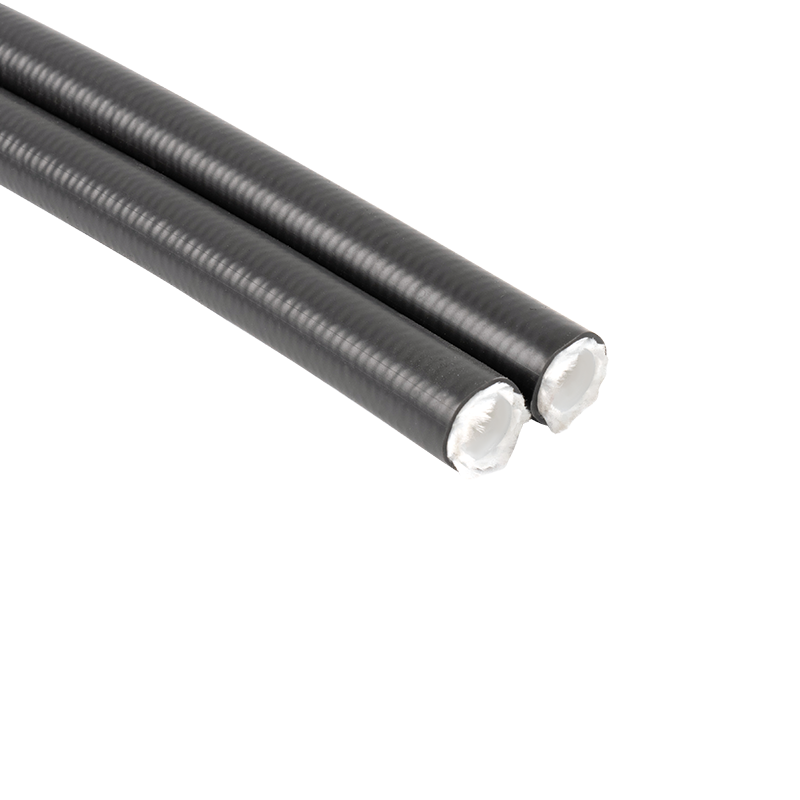
Polyethylene (PE) hoses use a semi-rigid plastic inner tube, typically reinforced with a polyester or synthetic braid layer, and are known primarily for being lighter than both rubber and PVC hoses of the same diameter. This makes them easier to maneuver around a yard or driveway, especially for users who find heavier rubber hoses tiring to drag across longer distances.
The trade-off is stiffness and durability. PE hoses tend to hold their coiled shape more rigidly than rubber, which can make them prone to kinking at sharp bends, and their outer surface is generally less resistant to abrasion from concrete or gravel. Most PE hoses are rated for light to moderate residential pressure washers, typically up to 3,000 PSI, which covers the majority of homeowner-grade electric and small gas units but falls short of what commercial equipment requires.
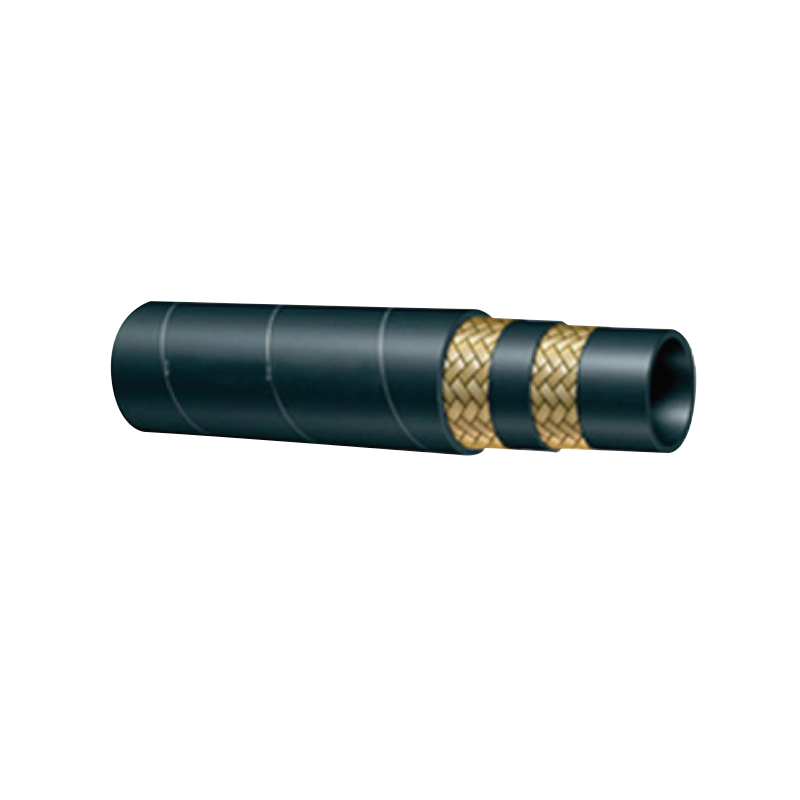
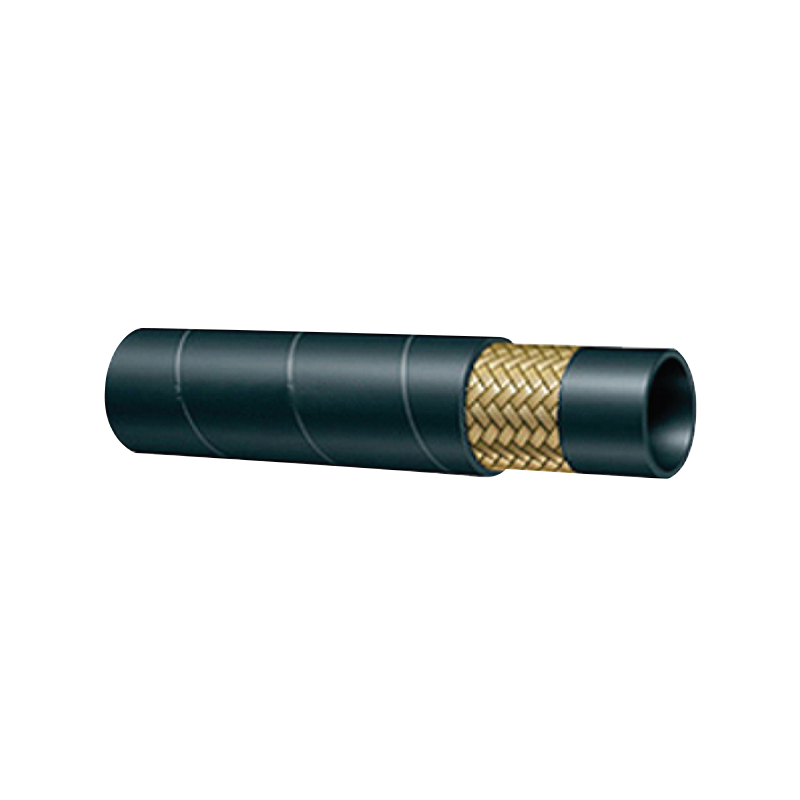
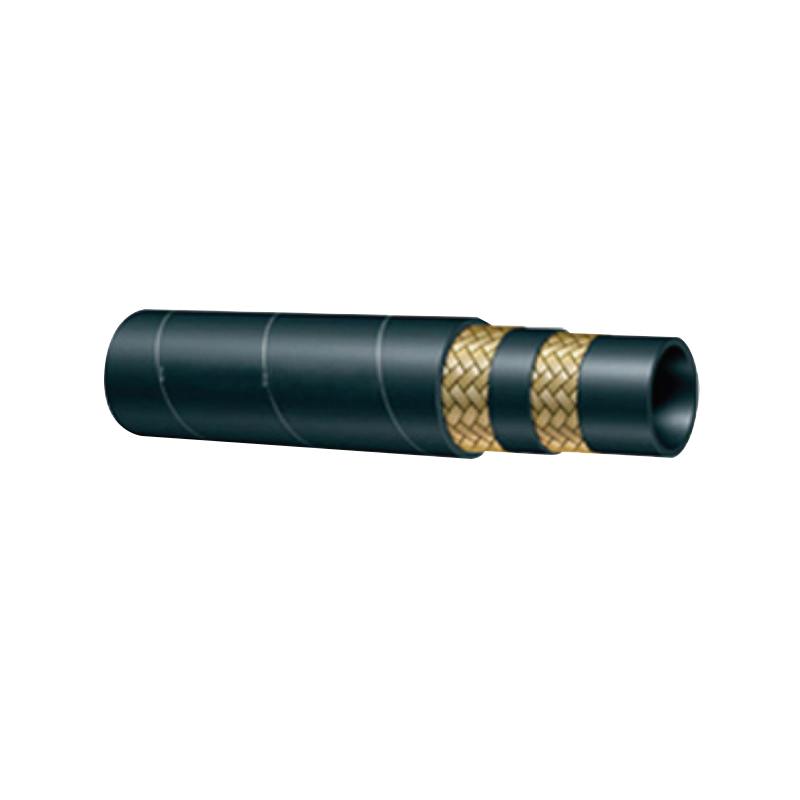
Rubber hoses remain the industry standard for demanding use, and the difference shows up clearly in daily wear scenarios. Rubber's flexibility holds up in a much wider temperature range, staying pliable down to roughly -20°F to -40°F depending on the compound, compared to PE hoses that can stiffen and become harder to coil once temperatures drop toward freezing.
Abrasion resistance is another significant gap. Rubber's outer cover is formulated specifically to withstand repeated dragging across pavement, gravel, and rough surfaces, while PE's plastic surface wears through more quickly under the same conditions. For a homeowner using the hose a handful of times a month, this difference may not matter much within the hose's useful life — but for a contractor using it daily, rubber hoses commonly outlast PE hoses by two to three times in service life under equivalent heavy use.
PE and PVC are often positioned as similarly priced budget alternatives to rubber, but they aren't identical in performance. PVC hoses are generally even more prone to stiffening in cold weather than PE, becoming noticeably rigid and crack-prone below roughly 40°F, while PE tends to retain slightly more flexibility in cooler conditions.
On the other hand, PVC hoses are often marginally more resistant to UV degradation than uncoated PE, which matters for hoses left outdoors or stored in direct sunlight for extended periods. Neither material matches rubber's overall durability, so the choice between PE and PVC usually comes down to specific use conditions — PE for slightly better cold-weather handling, PVC for slightly better sun exposure resistance — rather than one being a clear all-around winner over the other.
| Feature | PE | Rubber | PVC |
|---|---|---|---|
| Weight | Light | Heavy | Light |
| Cold weather flexibility | Moderate | Excellent | Poor |
| Abrasion resistance | Fair | Excellent | Fair |
| Typical max PSI | Up to 3,000 | Up to 5,000+ | Up to 2,500 |
| Relative cost | Low | Highest | Lowest |
| Best for | Light residential use | Daily/commercial use | Occasional indoor/mild-climate use |
The right choice depends far more on how often and how hard the hose is used than on any single spec sheet number. A few common scenarios illustrate how the decision typically plays out in practice.
For washing a driveway, deck, or car a few times a month, a PE hose is generally the most sensible choice, offering enough durability for infrequent use at a lower cost and lighter handling weight than rubber. As long as the pressure washer's PSI stays within the hose's rating and it isn't dragged repeatedly over rough concrete, PE hoses typically last several seasons of light use without issue.
For contractors running a pressure washer daily across multiple job sites, rubber is almost always the better investment despite the higher upfront cost, since the extended service life and resistance to abrasion and kinking translate into fewer replacements and less downtime over a year of heavy use.
For users in colder regions who store equipment outdoors or in an unheated garage, rubber's cold-weather flexibility makes it the safer choice, since both PE and PVC stiffen considerably in freezing conditions and are more prone to cracking when uncoiled cold.
Sticker price alone can be misleading, since a cheaper hose that needs replacing every season may cost more over time than a pricier hose that lasts several years. Rubber hoses typically cost 30-60% more upfront than comparable PE or PVC hoses, but for frequent users, the extended service life often makes the total cost per year of use lower rather than higher.
For occasional users, this calculation flips — a PE hose used a few times a month may never need replacing before it's outlived by the pressure washer itself, making the lower upfront cost the more rational choice rather than paying a premium for durability that won't be tested by actual usage patterns.
Use the following questions to quickly narrow down which material fits your situation.
Answering these questions honestly, rather than defaulting to whichever hose happens to be cheapest on the shelf, is what leads most buyers to the material that actually matches how they'll use it — light and affordable PE for occasional jobs, or heavier, longer-lasting rubber for equipment that earns its keep every day.

 Wholesale High Pressure Power Washer Hose Manufacturers




 English
 Deutsch
 中文简体

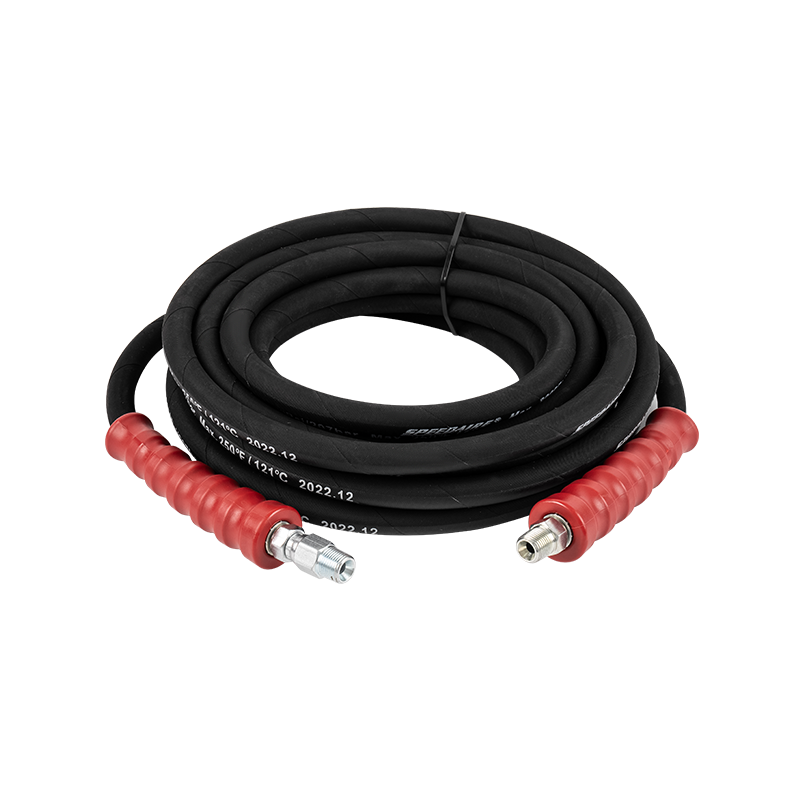
a@uze.png "3000 PSI 1/4' Flexible PE Pressure Washer Hose")