The Short Answer: Match SAE Rating, Fluid Compatibility, and a 4:1 Safety Factor First For most industrial and mobile hydraulic equipment, the right hose is one rated for at least four times the syst...
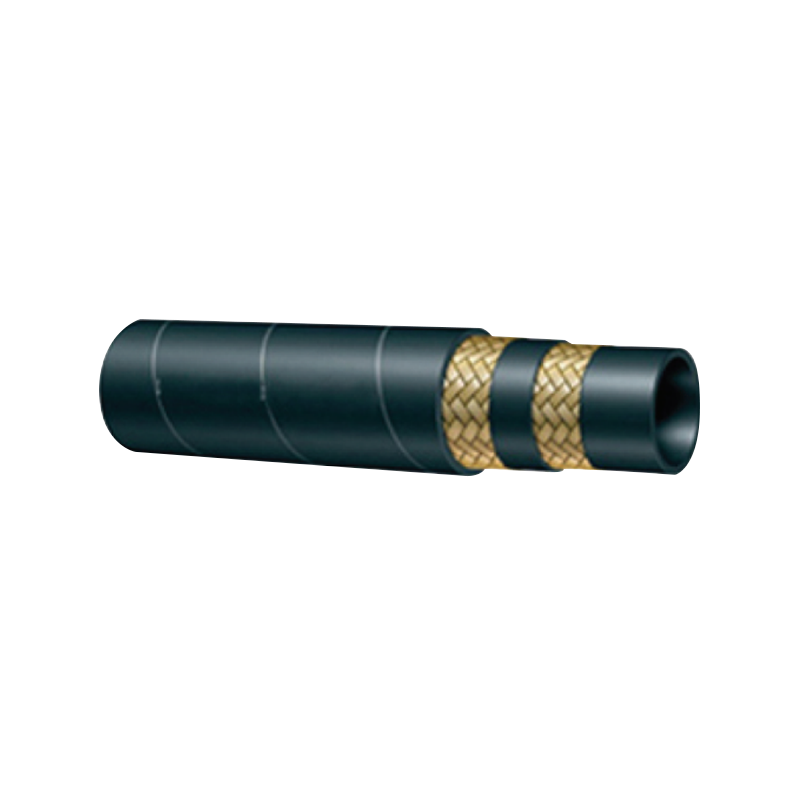
The Short Answer: Match PSI Rating and Fitting Size to Your Machine First For most homeowners and light commercial users, the right high pressure washer hose is a 3/8-inch diameter hose rated for at ...

A hydraulic oil hose is a flexible, multi-layer tube designed to carry pressurized hydraulic fluid between components in a hydraulic system, transmitting force that powers everything from excavator a...
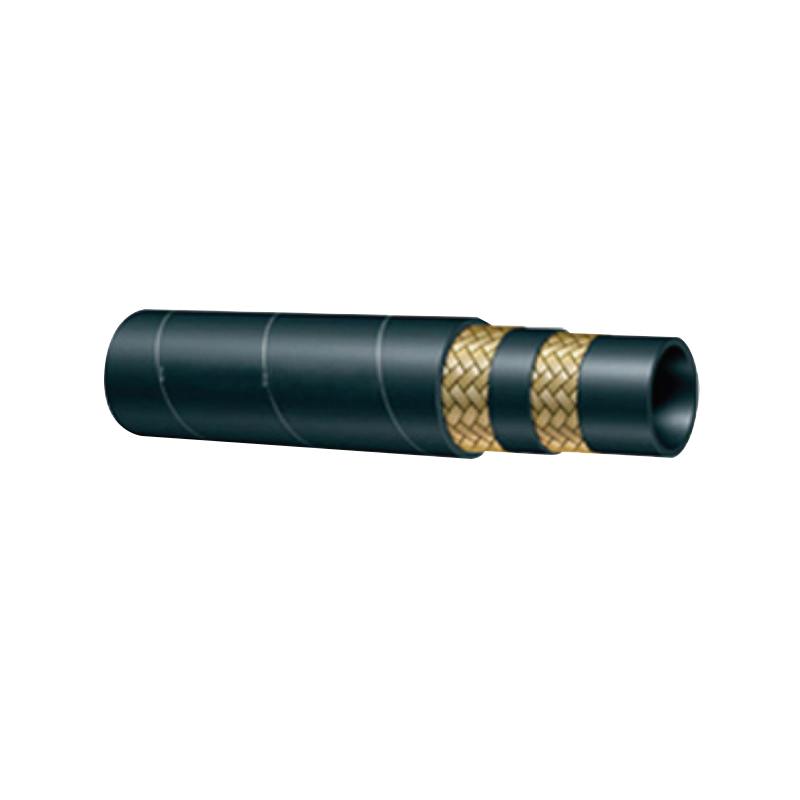
The key difference between a hydraulic oil hose and a general industrial hose is internal pressure capacity and material compatibility. Hydraulic oil hoses are engineered to handle pressures from 1,0...
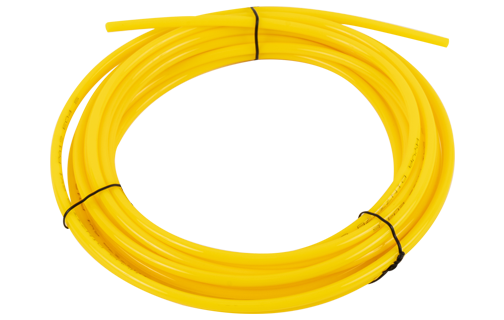
The right PU air hose depends on three factors: inner diameter, pressure rating, and hose shape (coil vs. straight). For most home workshops and light-duty tools, a 1/4-inch coil hose rated for 150-2...
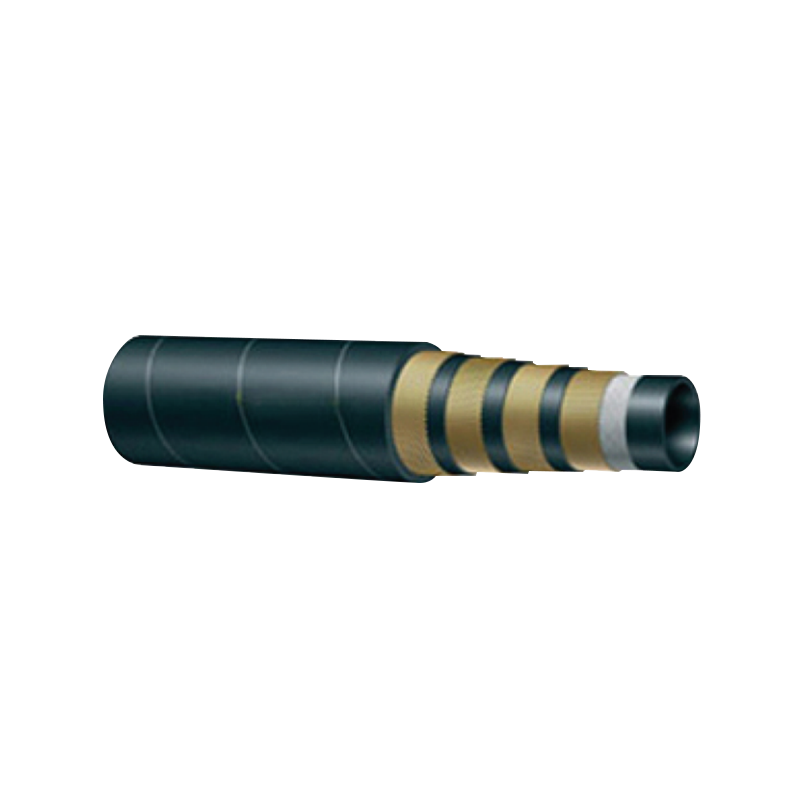
The best high temp pressure washer hose for most users is a rubber or PVC-rubber hybrid hose rated for at least 250°F (121°C) with a working pressure of 3000-4000 PSI, such as those built with a non-...
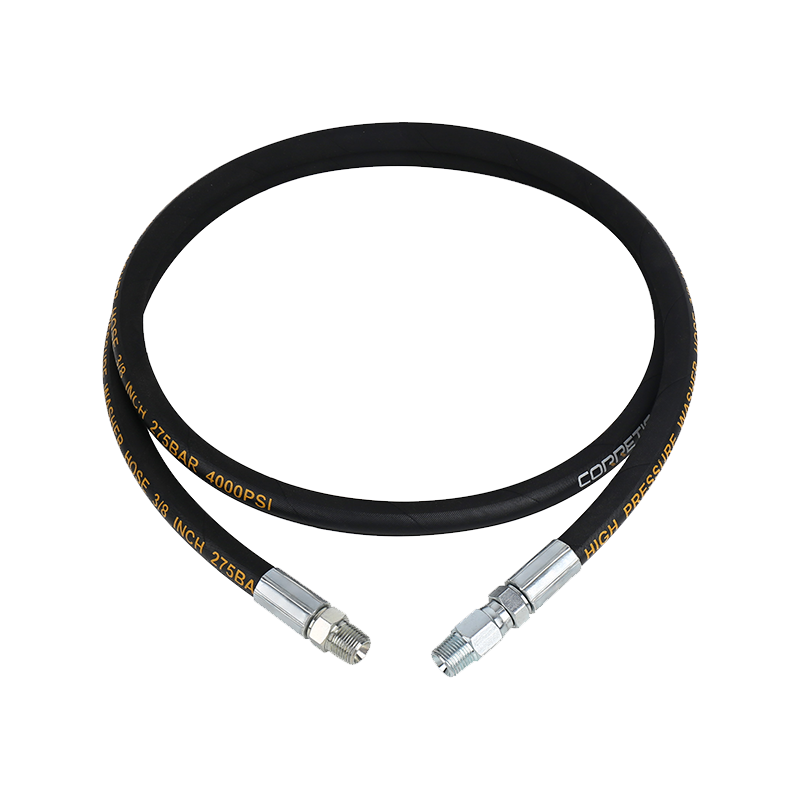
When choosing a high pressure washer hose, the most important factors are matching the hose's pressure rating to your machine's PSI output, selecting the correct diameter (typically 1/4" for electric...
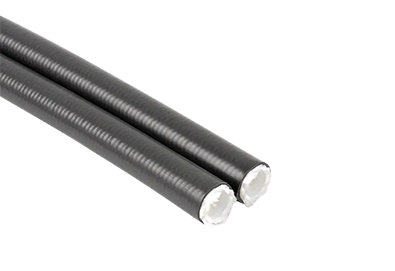
The Short Answer: What Makes a Pressure Washer Hose "High Pressure"? A high pressure washer hose is a reinforced flexible conduit rated to carry water at pressures typically ranging from 1,500 to 5,0...
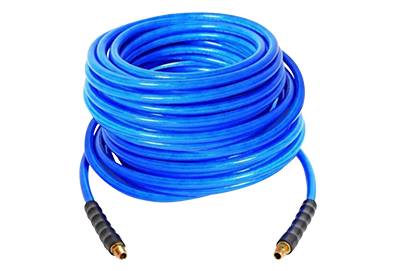
A technical guide for equipment engineers, procurement specialists, and maintenance teams selecting hydraulic hoses for demanding operating environments. Direct Answer: Temperature and Pressure Ratin...

A step-by-step diagnostic and repair guide for equipment operators, maintenance technicians, and fleet managers dealing with hydraulic oil hose leaks. Direct Answer: Locate the Leak Source First, The...
PU air hoses crack and leak due to five main causes: UV and ozone degradation, chemical exposure, mechanical abrasion, improper storage in extreme temperatures, and overpressurization. Each of these ...
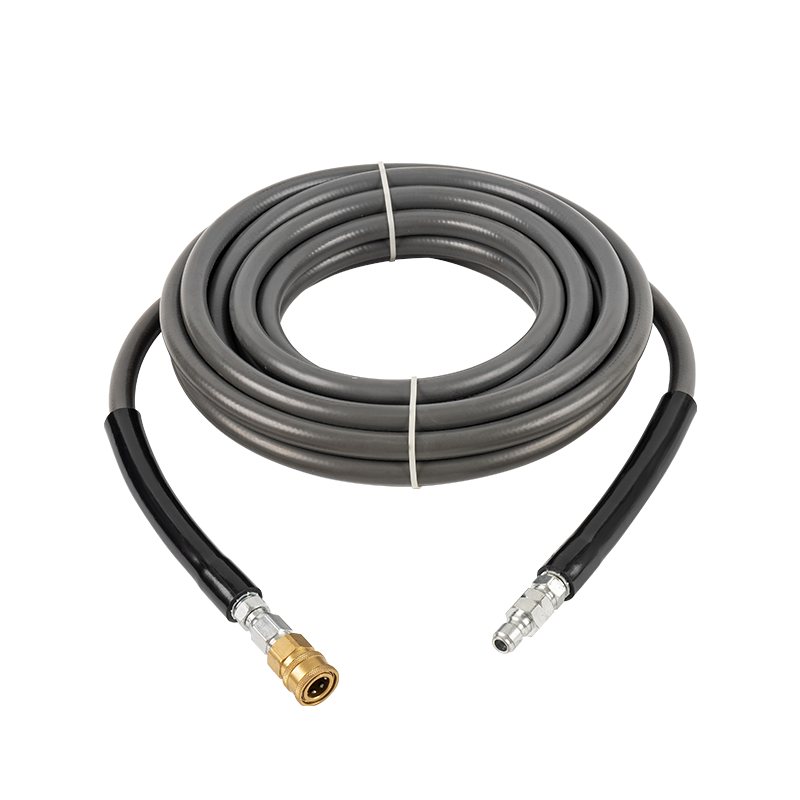
The short answer: PU air hoses kink primarily because they are coiled too tightly during storage, exposed to low temperatures that stiffen the material, or connected under tension without adequate sl...
 Wholesale High Pressure Power Washer Hose Manufacturers




 English
 Deutsch
 中文简体