Content
When a machine gets lighter, everything downstream gets easier. A light weight hydraulic hose sounds like a small detail, but it changes how a boom arm swings, how quickly a technician routes a line through a tight frame, and how tired an operator feels after eight hours holding a tool. We have been building hydraulic hose since 2005, and the question of weight comes up in almost every conversation we have with equipment makers.
The good news is that you rarely have to choose between light and strong. What you do have to choose is the right construction for your pressure, your environment and your routing. This article walks through how weight is created inside a hose, where a lighter option actually pays off, and how to select one without giving up your safety margin.
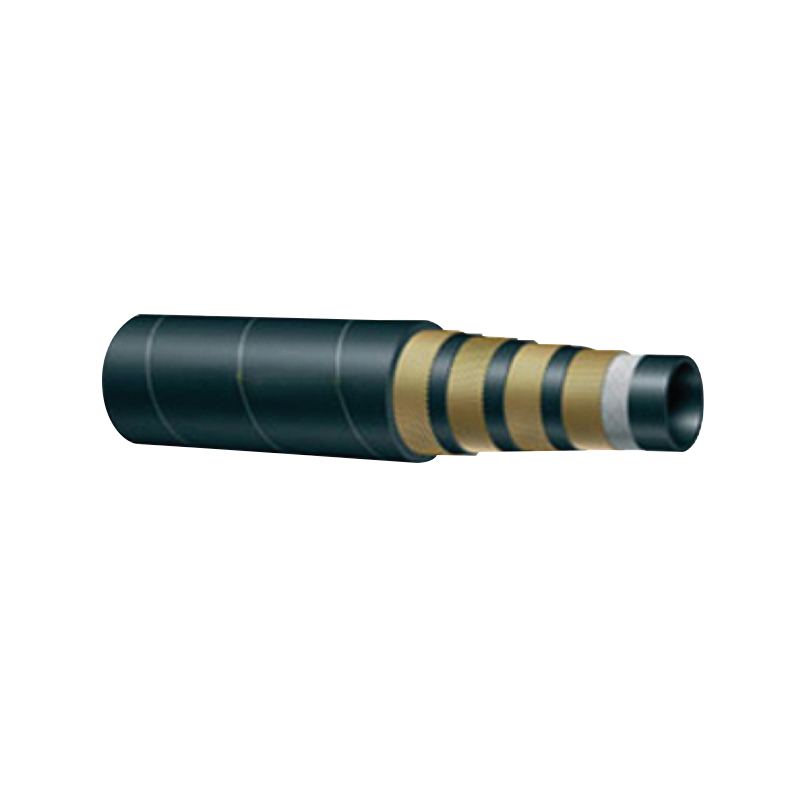
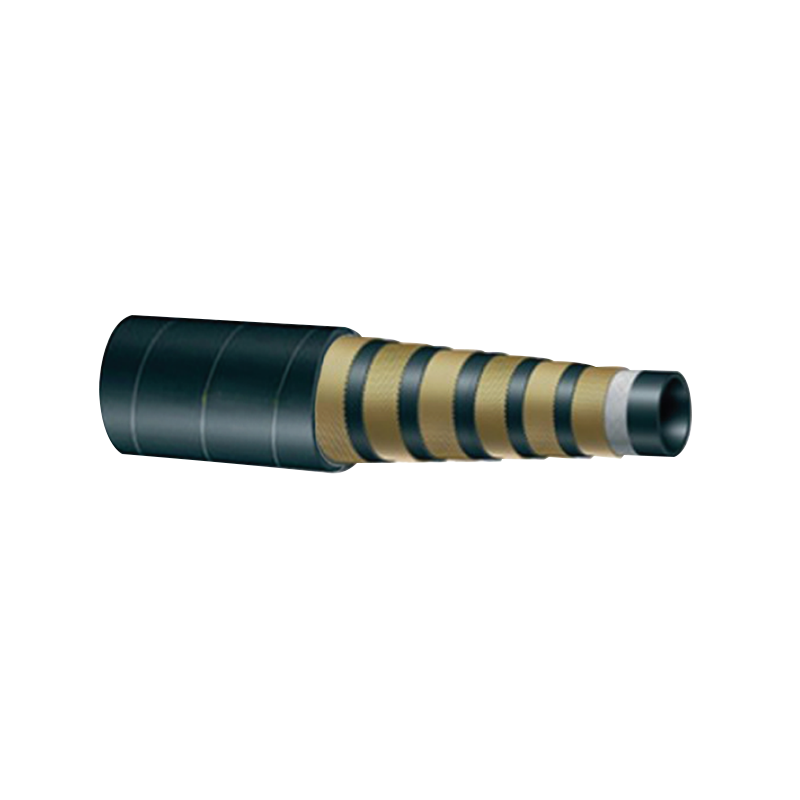
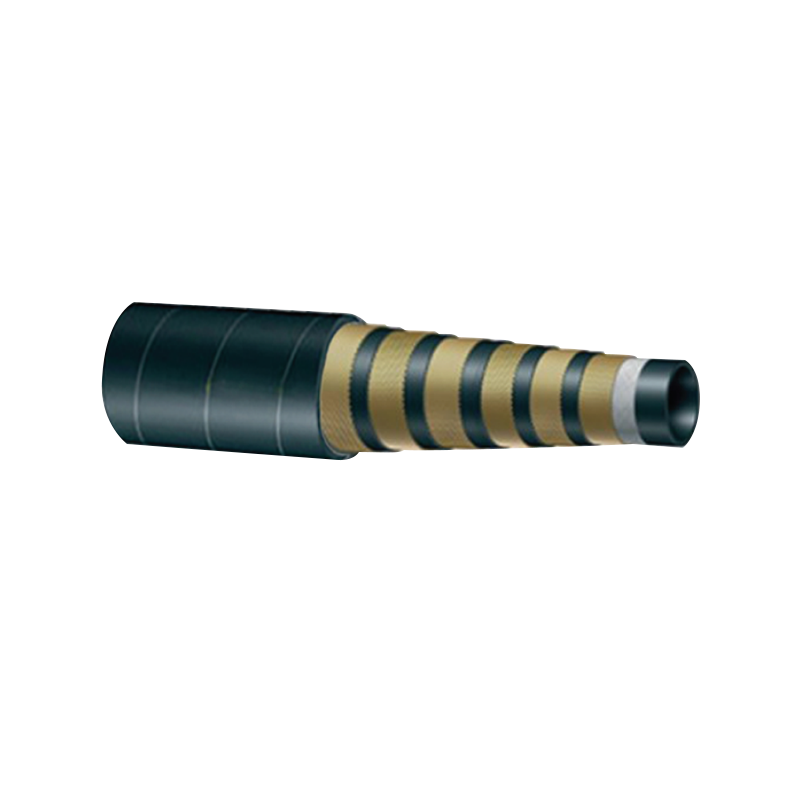
Almost every hydraulic hose shares the same three-part anatomy: an inner tube that carries the fluid, one or more reinforcement layers that hold the pressure, and an outer cover that protects the reinforcement from abrasion, weather and chemicals. The tube and the cover contribute surprisingly little to the total mass. The reinforcement is where the weight lives.
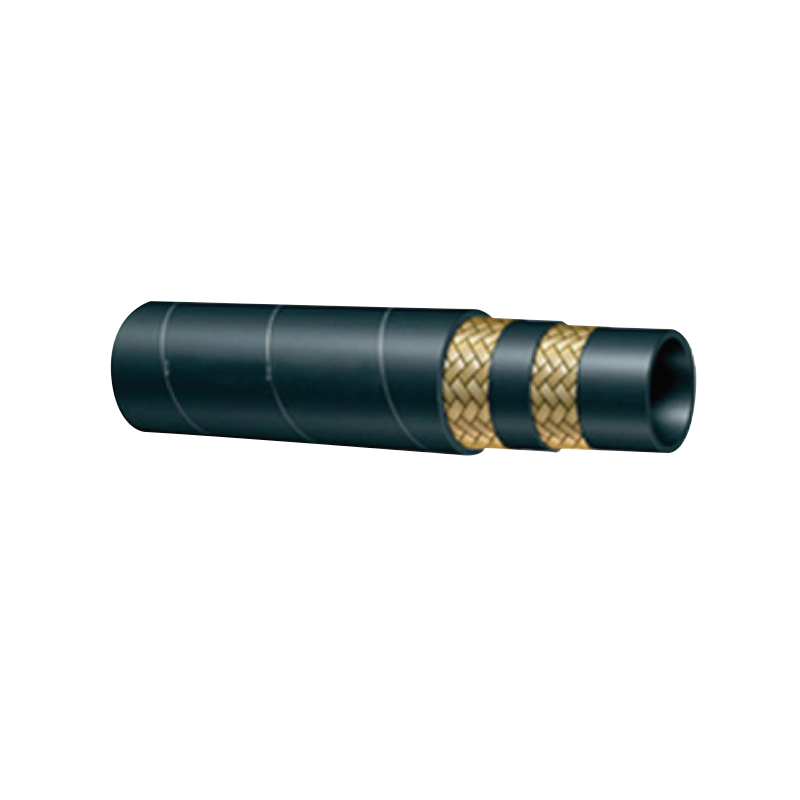
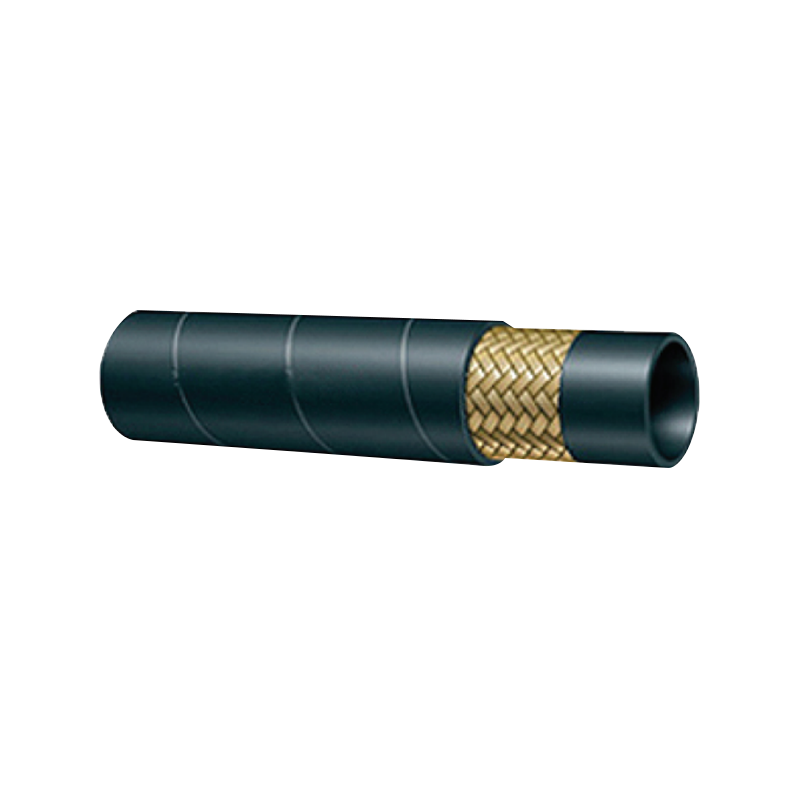
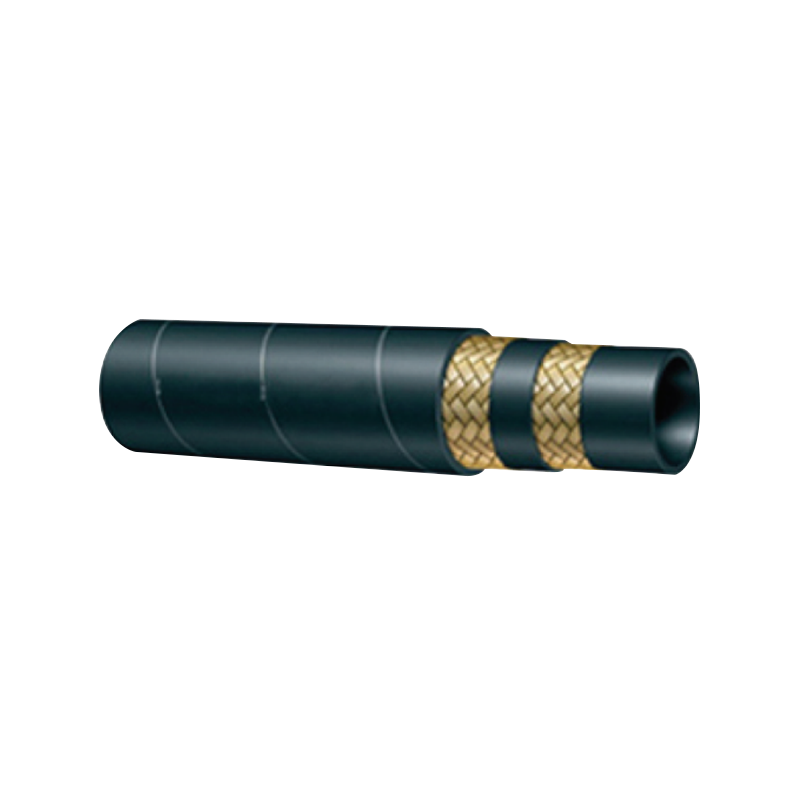
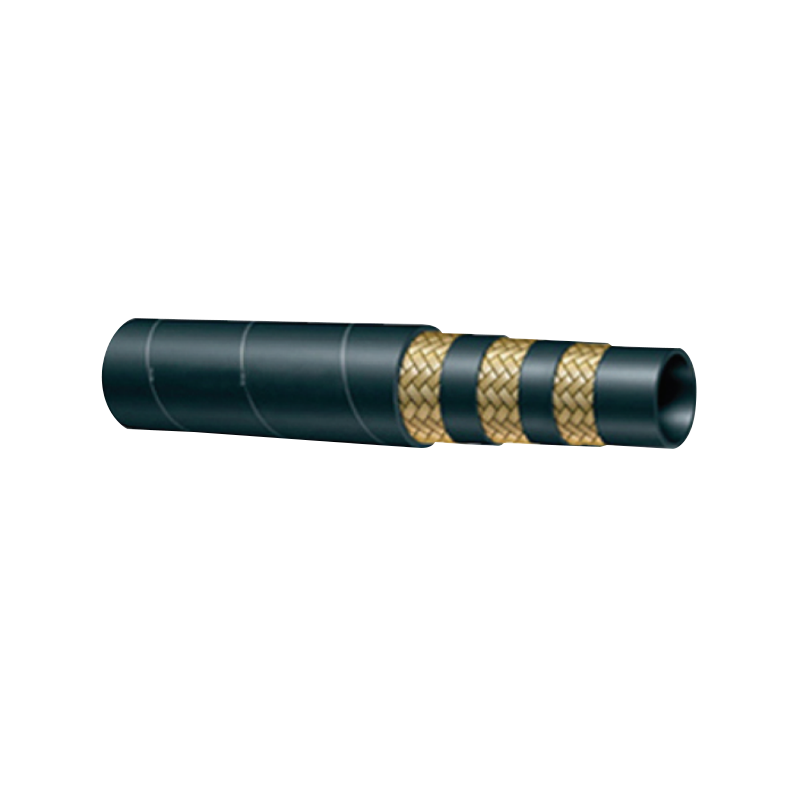
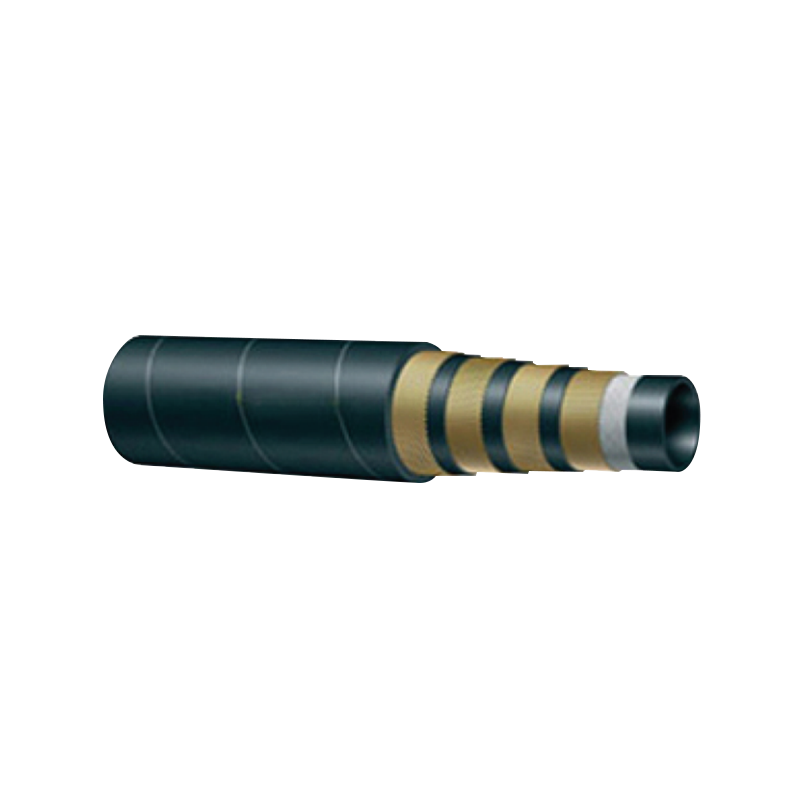
A single layer of steel wire braid is the lightest common reinforcement for hydraulic service. Products such as EN857 1SC and SAE 100R1AT/1SN use one braided layer, which keeps the wall thin and the hose flexible. Double-braid constructions such as EN857 2SC and SAE 100R2AT/2SN add a second layer and take on weight so they can hold higher working pressures. Spiral constructions — EN856 4SP, EN856 4SH and the SAE R13/R15 families — wind four or more wire layers around the tube. They are the strongest options, and also the heaviest.
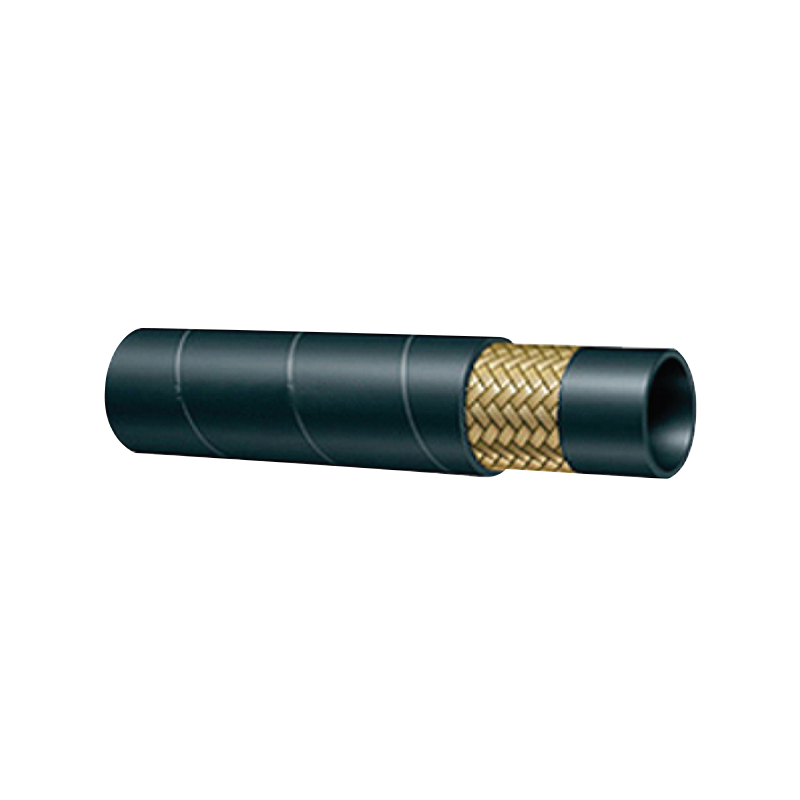 EN857 1SC Single-Braid Steel Wire Hydraulic HoseLightest common braided reinforcement option for flexible hydraulic lines, with oil-resistant synthetic rubber tube and cover for high-pressure systems.View Product →
Material choice matters as much as reinforcement. A rubber hose built to EN857 or SAE specifications carries a dense, abrasion-resistant cover that survives dragging across concrete and steel. Thermoplastic alternatives, especially polyethylene and PVC, can be noticeably lighter for lower-pressure duties, which is why lightweight pressure washer hoses so often use PE or PVC rather than rubber. Wall thickness is the other lever: a thinner tube and cover save grams per metre, and that saving multiplies across a long assembly. It is worth understanding how wall thickness and pressure resistance are related before you trade one for the other.
There is no universally lightest hose. There is only the lightest hose that will survive your working pressure, your impulse cycles and your environment. The table below gives a rough picture of how the main families compare in weight terms.
| Hose Family | Reinforcement | Typical Duty | Relative Weight |
|---|---|---|---|
| EN857 1SC | Single wire braid | Low to medium pressure supply and return lines | Lightest |
| SAE 100R1AT / 1SN | Single wire braid | Medium pressure mobile equipment | Light |
| EN857 2SC | Double wire braid | Medium to high pressure | Moderate |
| SAE 100R2AT / 2SN | Double wire braid | Higher pressure mobile and industrial lines | Moderate to heavy |
| EN856 4SP / 4SH | Four spiral wire layers | High pressure with strong impulse cycles | Heavy |
| SAE R13 / R15 | Six or more spiral layers | Very high pressure, severe duty | Heaviest |
For many mobile machines, the practical answer is to leave the pressure-critical lines exactly as they are and move the return, pilot and drain lines to a single-braid hose. You remove weight from the assembly without touching the circuits where pressure rating cannot be compromised.
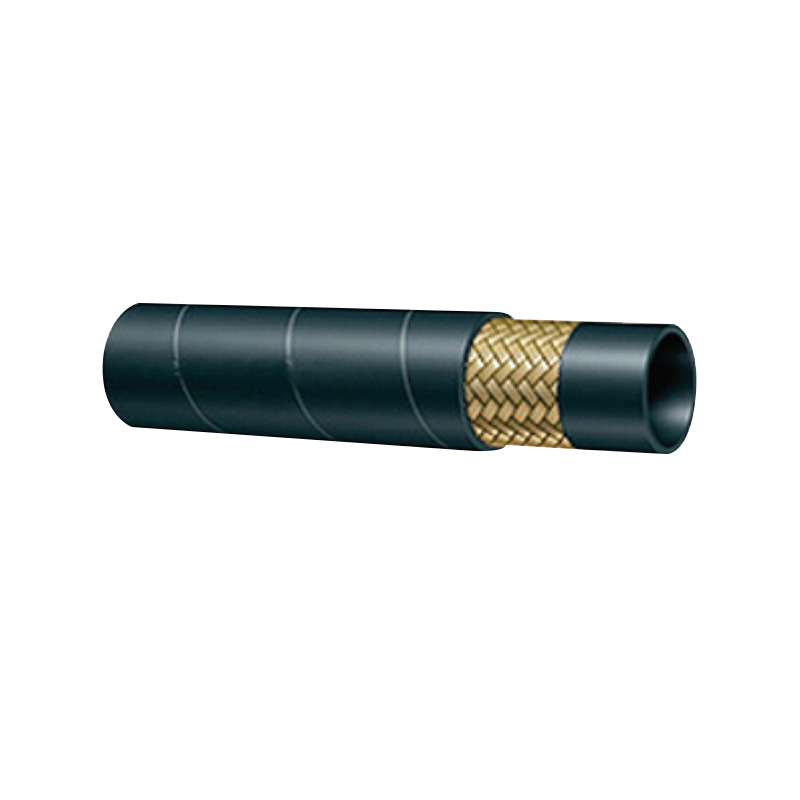 SAE 100R1AT/1SN Single-Braid Steel Wire Rubber HoseSingle-braid rubber hose with NBR tube and CR cover; a practical option for hydraulic systems where lower weight matters without compromising pressure-critical lines.View Product →
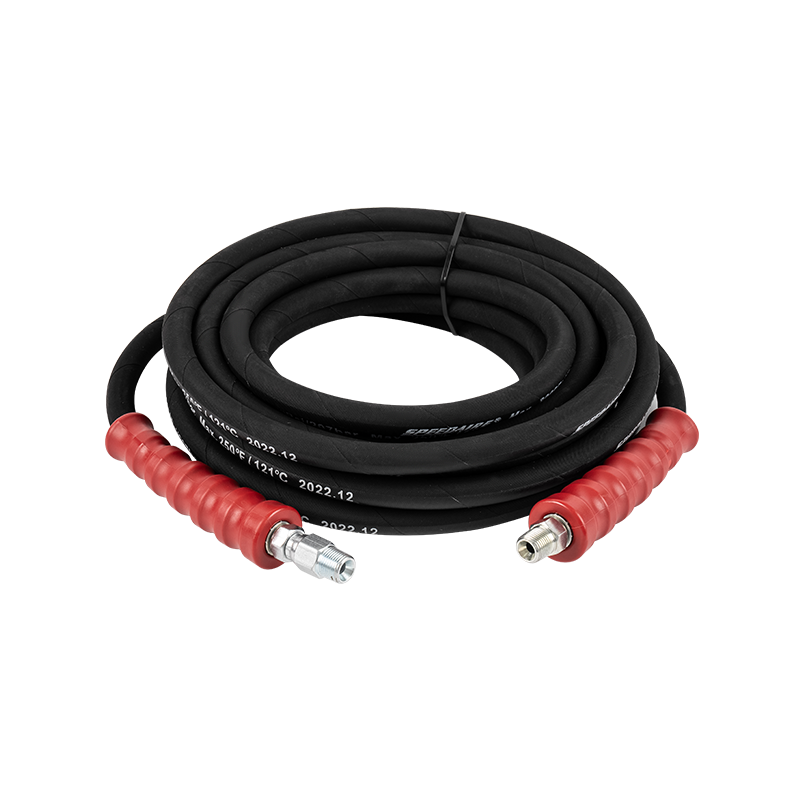
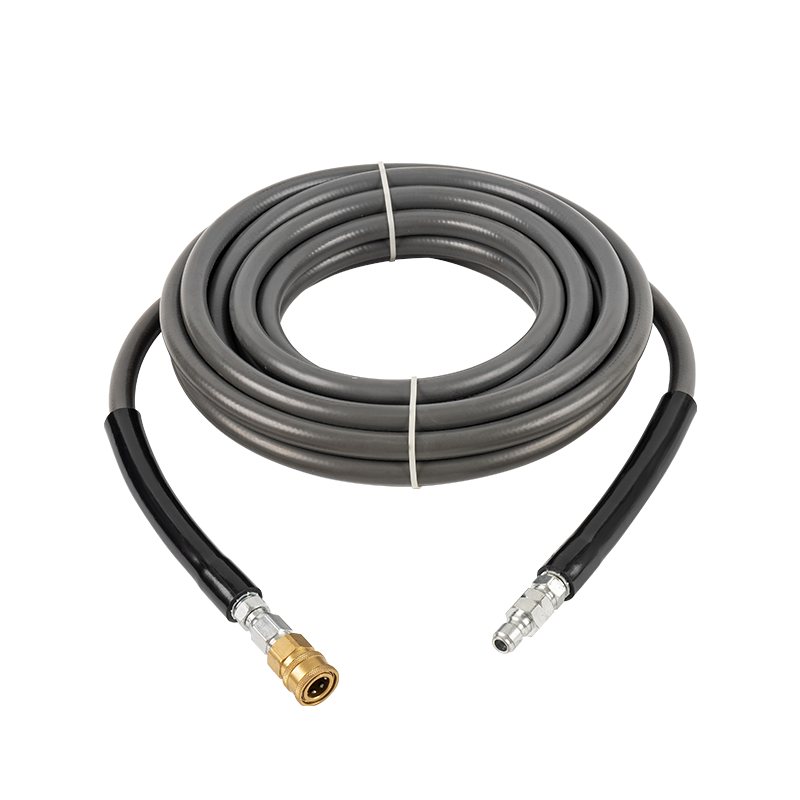
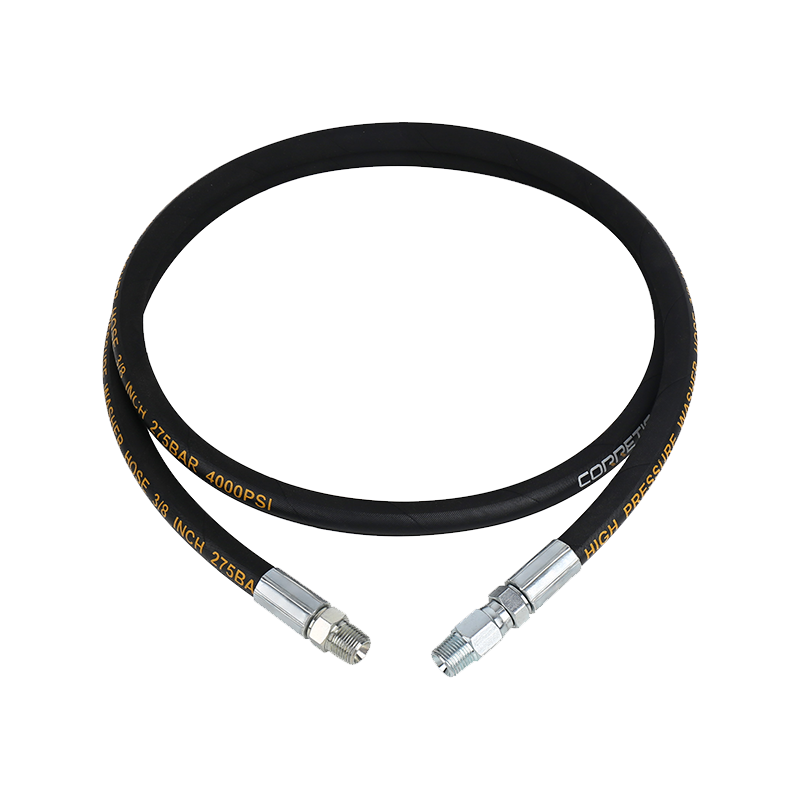
Cleaning equipment is a good example of how far material selection can go. A 3,000 psi PE hose stays flexible in cool weather, resists common cleaning chemicals reasonably well, and weighs far less than a rubber hose of comparable bore, which is exactly what a portable washer needs.
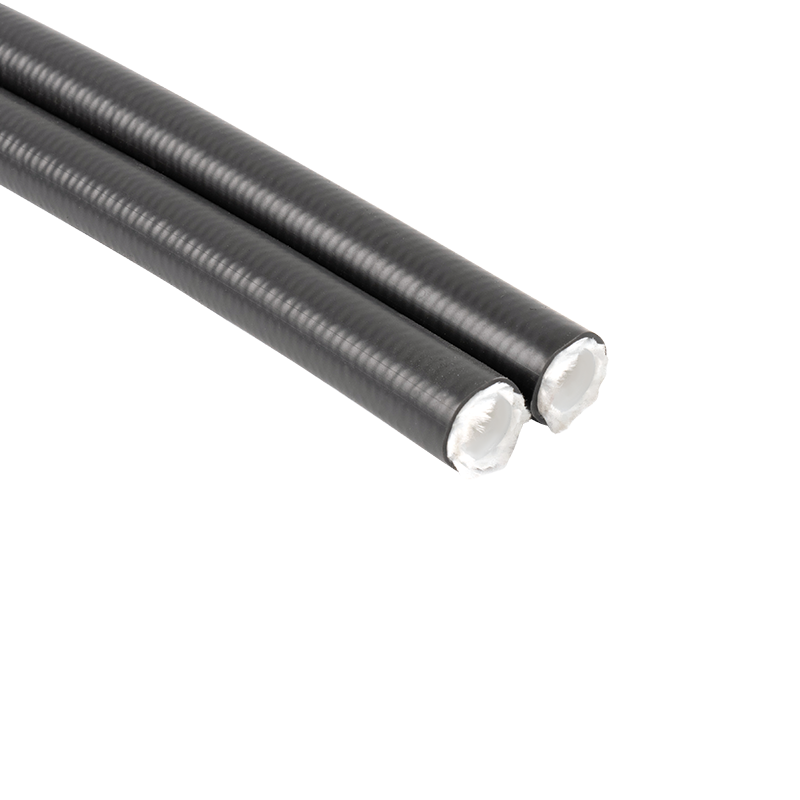
a@uze.png) 3000 PSI 1/4-Inch Flexible PE Pressure Washer HoseLightweight polyethylene hose for portable pressure washers, offering chemical and abrasion resistance for household and professional cleaning tasks.View Product →
Weight should be the last question you answer, not the first. A simple sequence keeps the decision safe and still gets you a lighter assembly.
Ningbo Shunlong Rubber Hose Co., Ltd. has been manufacturing hydraulic hose in Yuyao, Ningbo, since 2005. Our site covers 32,000 square metres with 20,000 square metres of floor space, and our team of around 180 people produces up to 50,000 metres of hose per day. We make hydraulic wire braided hose, spiral hydraulic hose, high-pressure oil and water hose, pressure washer hose, and finished hose assemblies.
For buyers who need a lighter line, we can quote across the braided range — EN857 1SC and 2SC, SAE 100R1AT/1SN and 100R2AT/2SN, GB3683 single and double layer, and MT98 three-layer — and match them against the spiral range when pressure demands it. Our quality system follows ISO 9001, and our materials are checked against REACH, RoHS and PAHS requirements, which matters if your machine ships into European markets. We also assemble and pack to order, so a hose can arrive as an install-ready component rather than a length of tube.
Because we sit about seven kilometres from the Hangyong expressway entrance and roughly fifty kilometres from the port of Beilun, we are set up for both domestic delivery and container export to North America, Europe, South America, the Middle East and Southeast Asia.
Choosing a lighter hydraulic hose is really an exercise in matching construction to duty. Decide what the circuit must survive, then take the weight out of every line that does not need a heavy braid or a spiral. Done that way, lighter hose stops being a risk and becomes part of the machine's design.
If you are working through a specific application and want a second opinion on which construction fits, send us the pressure, bore, fluid and routing details. We will tell you honestly which option makes sense, even when the answer is not the lightest one.

 Wholesale High Pressure Power Washer Hose Manufacturers




 English
 Deutsch
 中文简体