Content
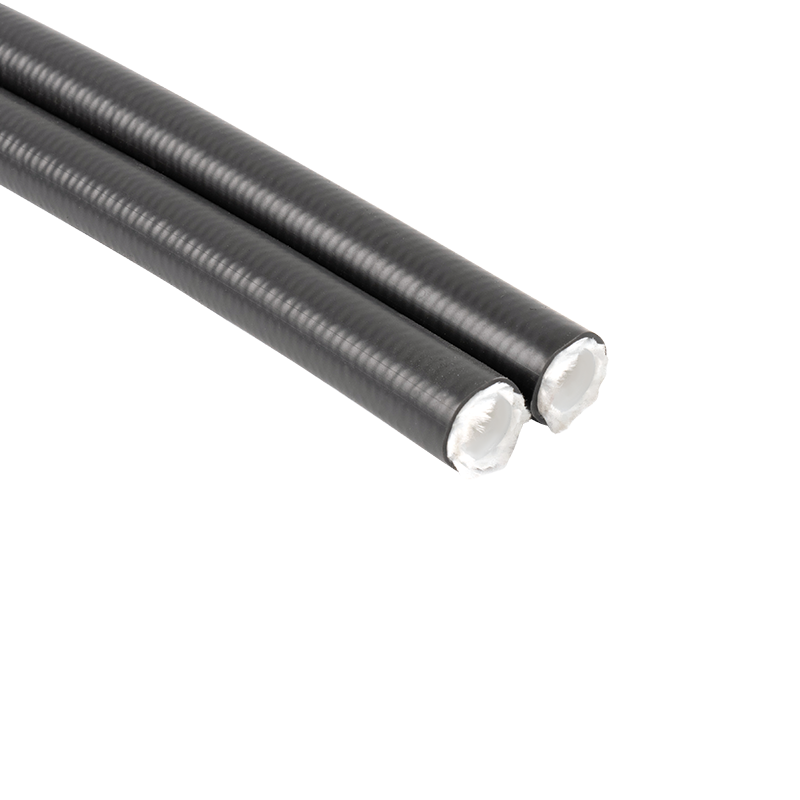
Kevlar hoses come up in conversation far more often than they appear on an actual specification sheet, and after twenty years of braiding, winding and crimping hose in Yuyao, we have a fair idea why. The word gets borrowed for anything that is lighter than steel, tougher than rubber, or simply expensive looking. When you strip the marketing away, a Kevlar hose is a hose whose reinforcement layer is made from para-aramid yarn instead of steel wire.
That one substitution changes weight, bend behaviour, corrosion resistance, fitting practice and, most importantly, the way the hose eventually fails. This article walks through what aramid reinforcement genuinely offers, where it quietly underperforms, and when a steel wire braid or a spiral hose remains the better engineering decision.
Kevlar is a trademarked para-aramid fiber, and in the hose trade people use the brand name the way they use any household name for a whole product category. Several para-aramid and meta-aramid fibers are on the market, and they behave similarly enough that engineers usually just say "aramid reinforced". What they share is a set of useful properties:
The rest of the hose is unchanged. The tube may be nitrile, EPDM or PTFE, the cover may be rubber or a thermoplastic elastomer, and the fittings still have to be crimped or swaged onto the ends. In other words, a Kevlar hose is still an ordinary fluid-carrying hose on the inside. Only the skeleton changes.
Aramid makes the most sense wherever weight, routing or corrosion is the dominant constraint rather than raw burst pressure. We see it in motorsport brake and clutch lines, aerospace ground equipment, marine hydraulics, portable rescue tools, and in premium cleaning equipment where an operator drags the hose around for eight hours a day.
Saving thirty to fifty percent of the reinforcement weight compared with a steel braided equivalent changes several things at once. The hose hangs in a smaller curve, which makes tight machine envelopes easier to route. It puts less load on the end fittings, on clamps and on the supports along the run. It also removes the slow internal rusting that can quietly weaken a wire braid in damp or wash-down environments.
We have seen enough field returns to be honest about the downsides. Aramid is strong in tension and weak in compression, and it does not enjoy being crushed, kinked or pulled around a sharp radius. Three practical limits come up again and again.
Para-aramid absorbs a small amount of moisture, and prolonged exposure together with heat can degrade the fiber from within. Sunlight is another risk unless the cover is properly formulated, because the yarn itself has poor UV resistance. Continuous service temperature is generally lower than what a comparable steel braid tolerates, so hot engine compartments and steam-adjacent cleaning duty need a second look.
Steel wire braid crimps into a fitting in a predictable, well-documented way. Aramid yarn is slicker and more sensitive to the crimp diameter, the skive length and the insertion depth. When an aramid hose fails within weeks, the cause is usually the connection rather than the fiber. That matches what frustrated users report on forums: short lifespans and violent ruptures, most often at the joint.
A corroded steel braid usually announces itself through rust stains, cover blisters or weeping at the crimp. Aramid gives you far fewer hints. It simply reaches its limit, and when it goes, it releases stored energy quickly. That is a strong argument for generous safety factors, shorter replacement intervals and pressure testing rather than visual inspection alone.
Every hose decision is a compromise between weight, pressure, impulse life and inspection friendliness. The table below summarises how the three common reinforcement families behave in practice.
| Reinforcement | Weight | Working pressure | Flex fatigue | Corrosion | Warning before failure | Typical fit |
|---|---|---|---|---|---|---|
| Para-aramid braid | 30 to 50 percent lighter | Moderate to high | Excellent | None | Limited | Weight-critical, low-impulse circuits |
| Steel wire braid, 1 or 2 layers | Baseline | Moderate to high | Good | Possible | Visible rust or cracking | General hydraulic circuits and OEM equipment |
| Steel wire spiral, 4 to 6 layers | Heaviest | Very high | Fair to good | Possible | Usually visible deformation | High-impulse, high-pressure systems |
Most hydraulic circuits are not weight limited. They are pressure limited, impulse limited and cost limited. In those cases a steel wire reinforced hose remains difficult to beat, because the standards behind it are mature, the fittings are universal, and the failure modes are well understood by maintenance teams.
For general machinery, our single and double layer braided constructions cover the familiar territory. You can read more about how that reinforcement layer behaves in our note on the characteristics of the braided layer in steel wire hydraulic hose. When pressure climbs above the comfortable range of a braid, a four or six layer spiral construction takes over.
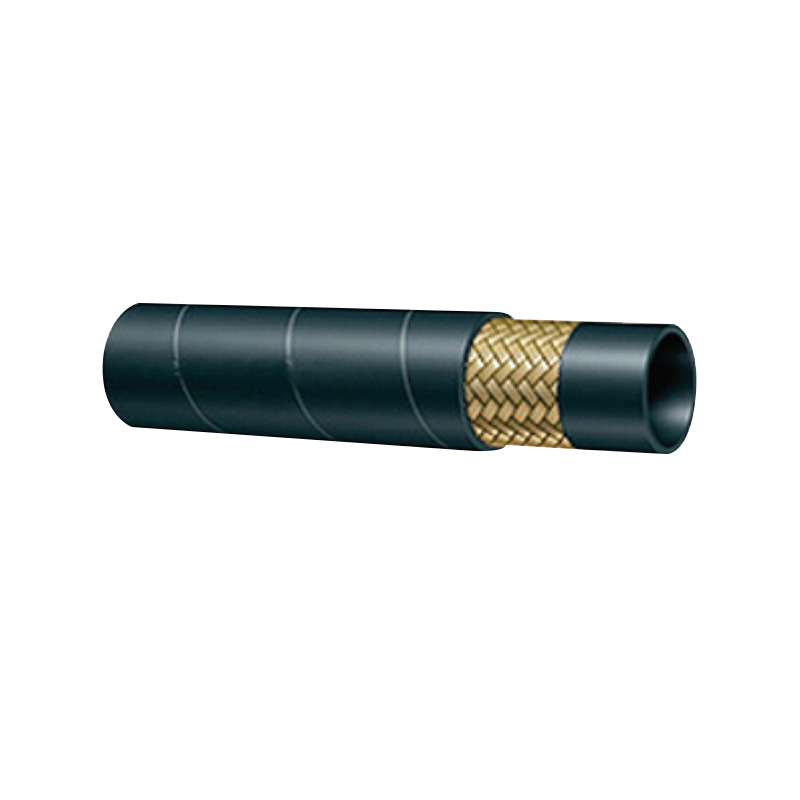
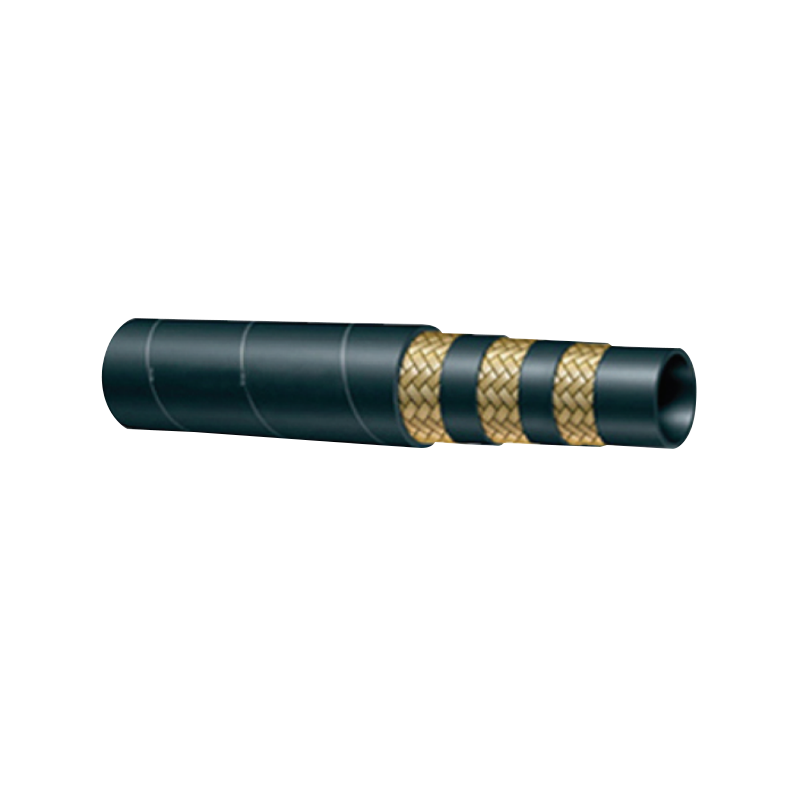
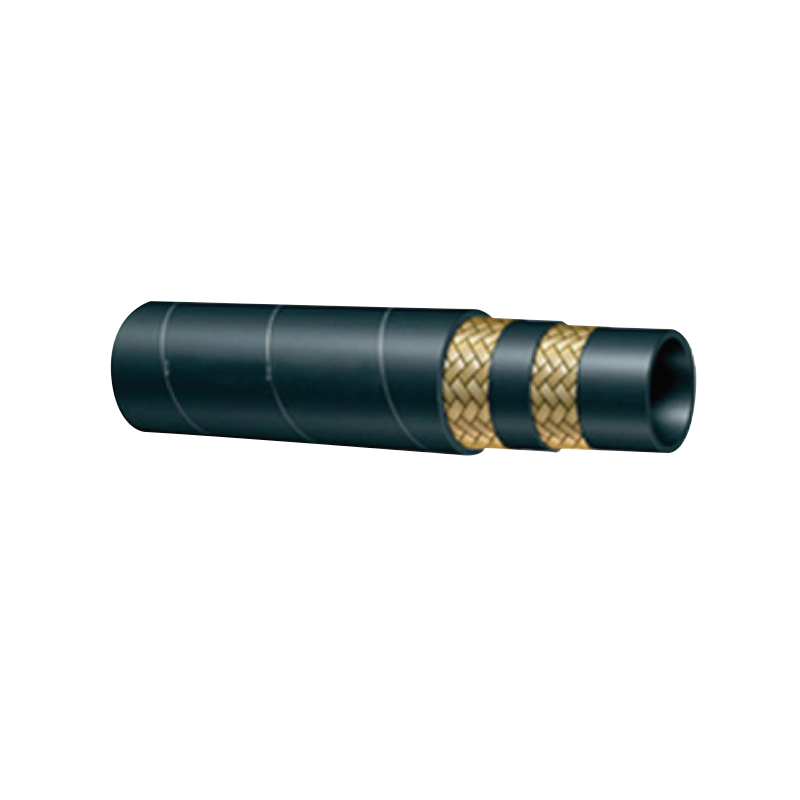 SAE 100R2AT/2SN Double-Layer Steel Wire Braided Hydraulic HoseA general industrial high-pressure hose with NBR tube, two steel-wire braids, and CR cover, often chosen for equipment builders needing durable braided reinforcement.View Product →
The SAE 100R2AT and 2SN double layer braid above is the workhorse we ship most often to equipment builders. For impulse-heavy duty, the spiral family handles far higher pressure with four to six alternating layers of wire.
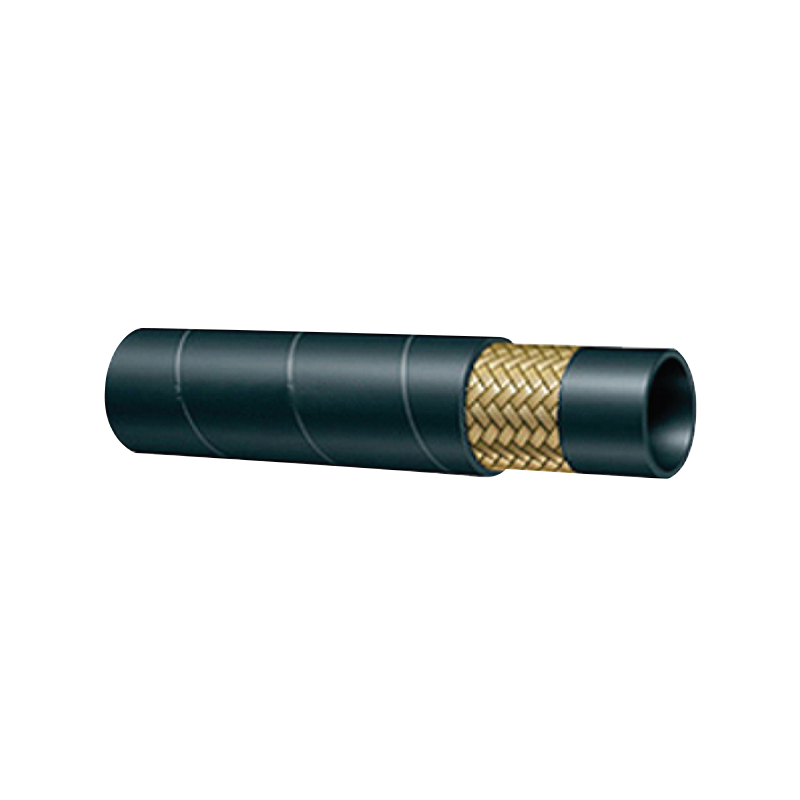
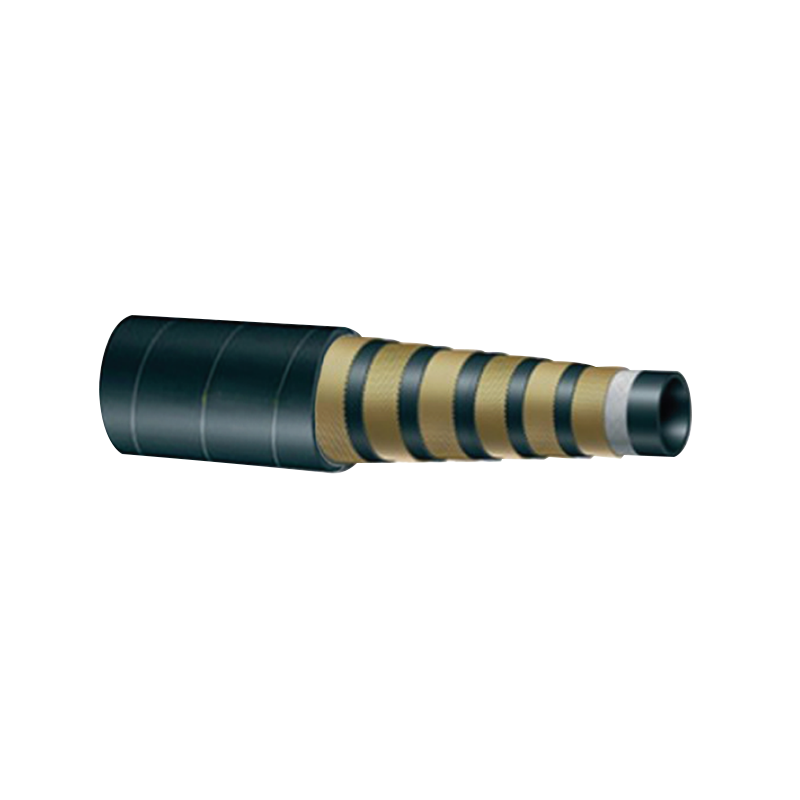
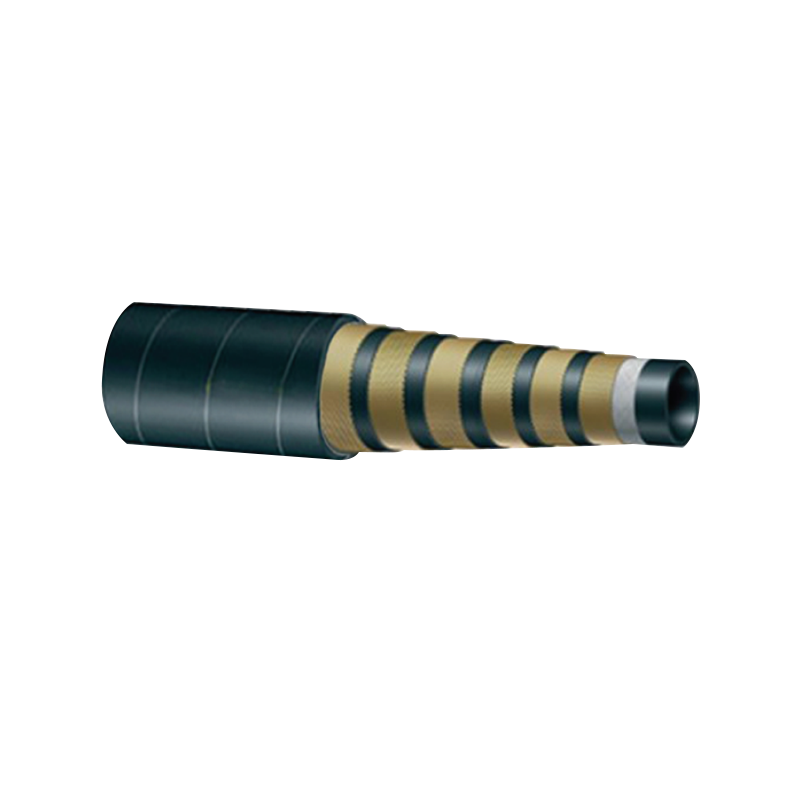
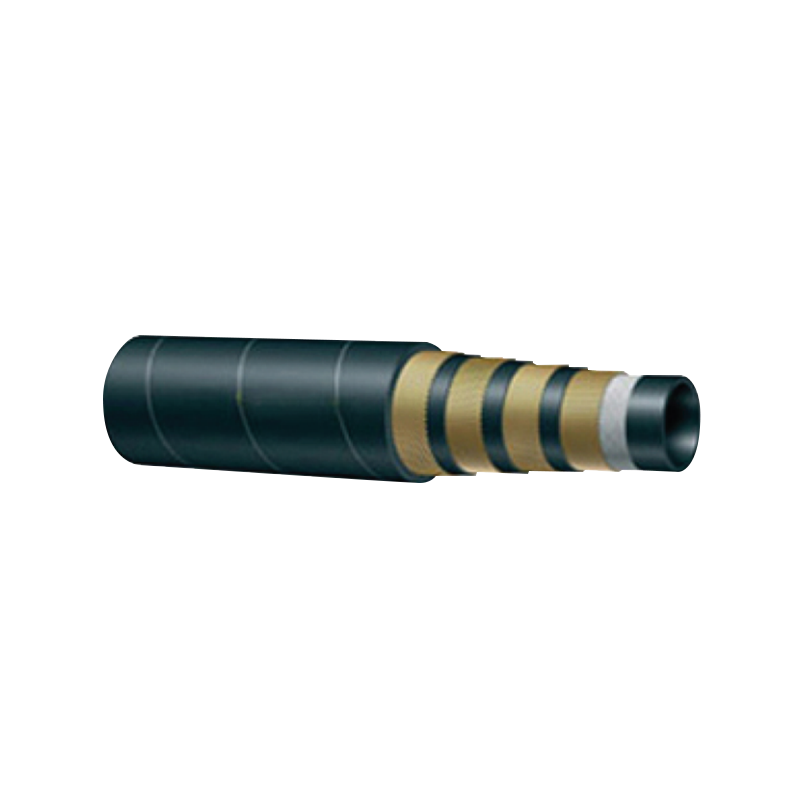 EN856 4SH Steel Wire Spiral Hydraulic Hose for Heavy DutyEN856 4SH spiral hose with NBR tube, CR cover, and four high-tensile steel-wire layers for high-pressure, wear-resistant mining, construction, and agricultural machinery service.View Product →
Both families are available with crimped end fittings, protective sleeves and full assembly documentation through our custom rubber hose manufacturing service, so the hose arriving at your line is already a tested assembly rather than a cut length.
Cleaning equipment raises a slightly different question. Here the enemy is abrasion, kinking and hot detergent, not the weight of the reinforcement. That is why rubber, PE and PVC constructions still dominate pressure washer hoses, and why an aramid braid is rarely the right upgrade. What matters more is matching the pressure rating, the temperature ceiling and the flexibility of the hose to the machine and the operator.
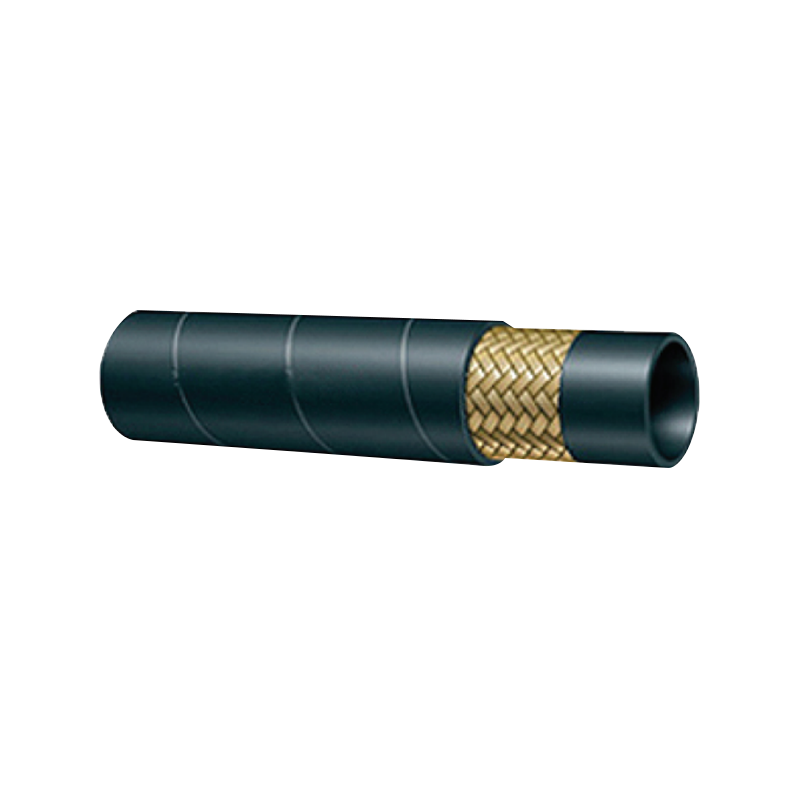
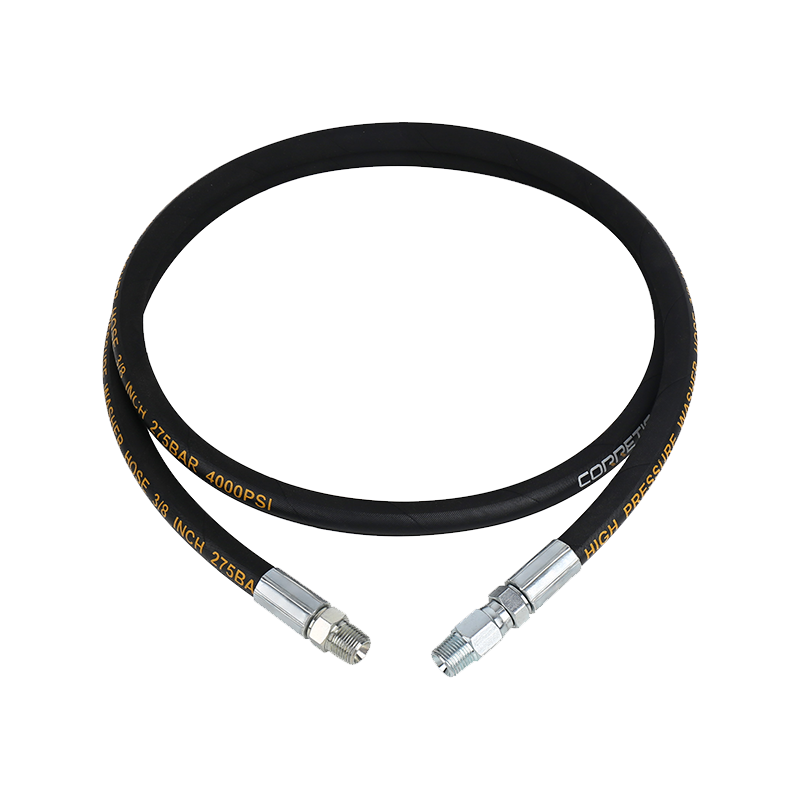
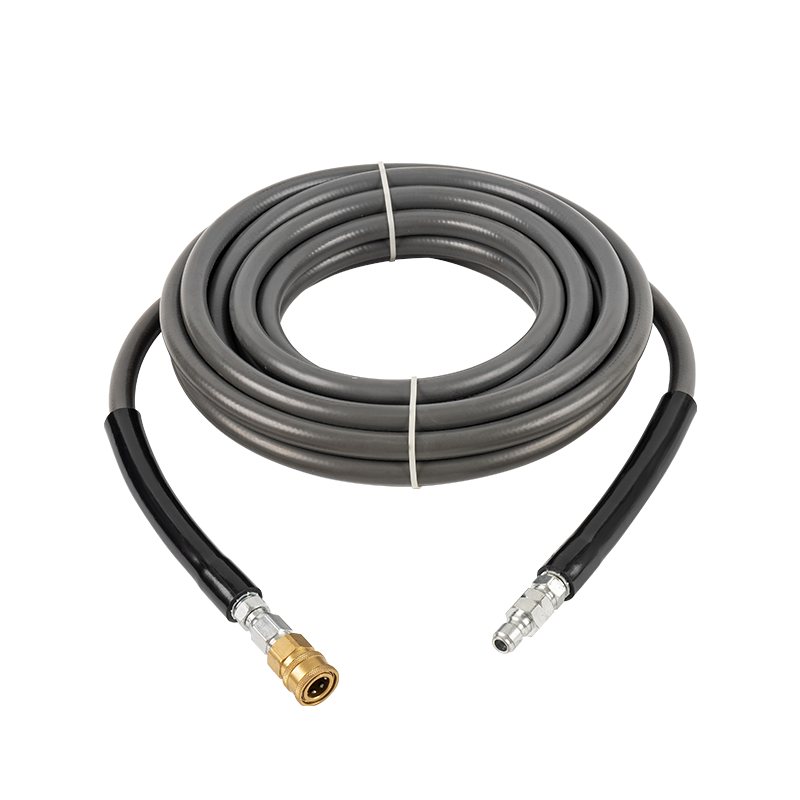 6000 PSI Gray Smooth Surface High Pressure Rubber HoseA 1/4-inch, 6000 psi rubber hose with smooth bore and two steel-wire braids, suited to high-pressure liquid or gas transfer and professional machines.View Product →
A hose like the 6,000 psi smooth surface rubber line above is built for professional machines that run long shifts, while lighter PE and PVC options suit commercial and domestic units where the hose is coiled after every use.
Whether you are weighing an aramid hose against steel wire or simply replacing a worn assembly, these questions save money later:
Answer those honestly and the choice usually makes itself. Aramid wins where every gram counts and impulse is mild. Steel wire wins where pressure, heat and predictable inspection matter more than weight.
Kevlar hoses are a genuinely useful piece of engineering, and they are also easy to misapply. If your application is light, flexible and weight sensitive, aramid reinforcement is worth the premium. If your circuit runs hot, pulses hard and gets inspected by a maintenance technician with a torch, a steel wire braid or spiral hose will serve you better and for longer. If you are unsure which side of that line your project sits on, send us the pressure, temperature, size and routing details and we will tell you plainly what we would run on our own equipment.

 Wholesale High Pressure Power Washer Hose Manufacturers




 English
 Deutsch
 中文简体

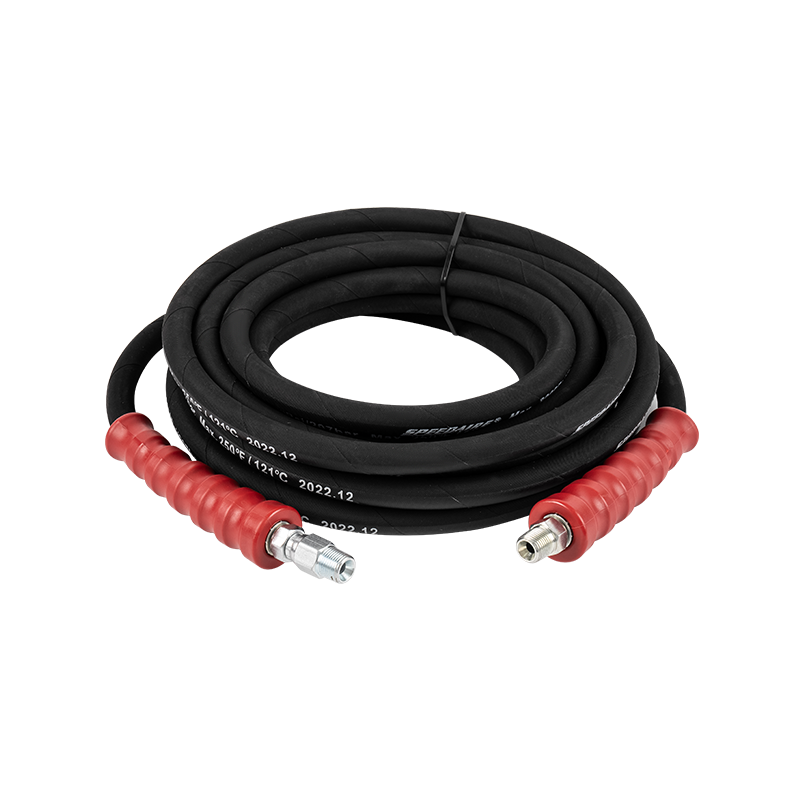

a@uze.png "3000 PSI 1/4' Flexible PE Pressure Washer Hose")