Content
For most industrial and mobile hydraulic equipment, the right hose is one rated for at least four times the system's maximum operating pressure (a 4:1 safety factor), built to the correct SAE 100R specification for that pressure class, with fittings matched exactly to the equipment's existing connection type. Getting these three factors right prevents the vast majority of hydraulic hose failures, which are far more likely to come from an undersized pressure rating or a mismatched fitting than from a manufacturing defect.
The Society of Automotive Engineers (SAE) 100R standard is the primary classification system for hydraulic hose in North America, and each designation reflects a specific combination of construction and pressure rating. Choosing based on the correct SAE class, rather than just matching outer diameter, is the single most important step in hose selection.
| SAE Class | Reinforcement | Typical Max Pressure |
|---|---|---|
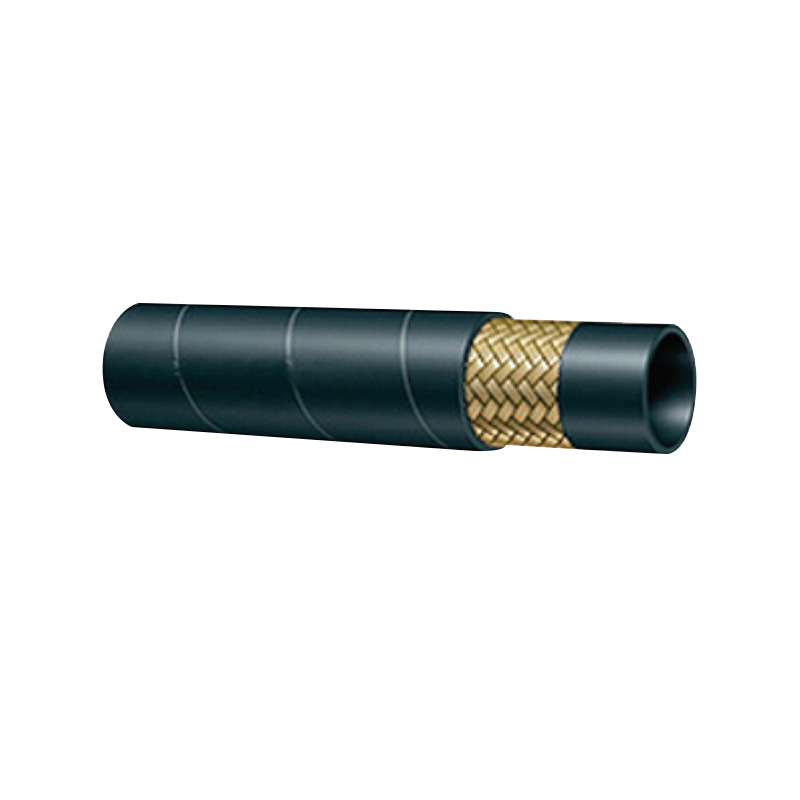
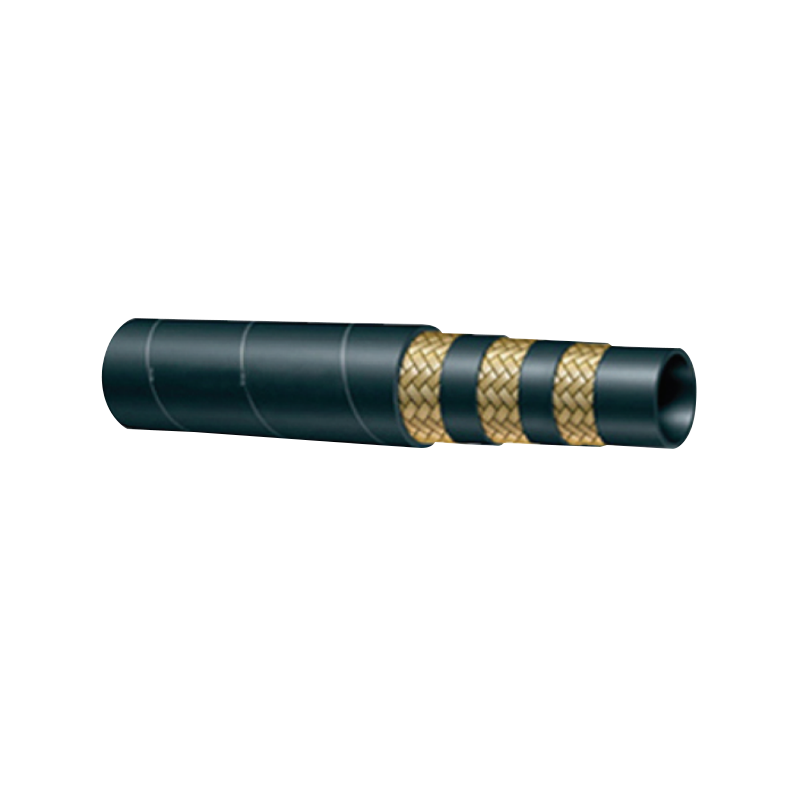
| 100R1 | Single steel wire braid | Up to ~3,000 PSI |
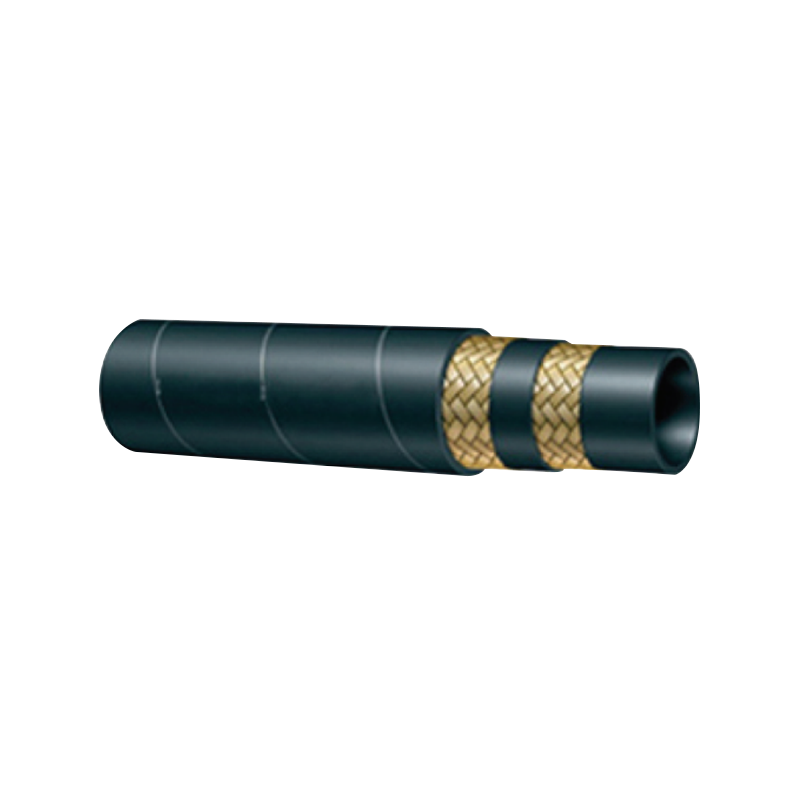
| 100R2 | Double steel wire braid | Up to ~5,000 PSI |
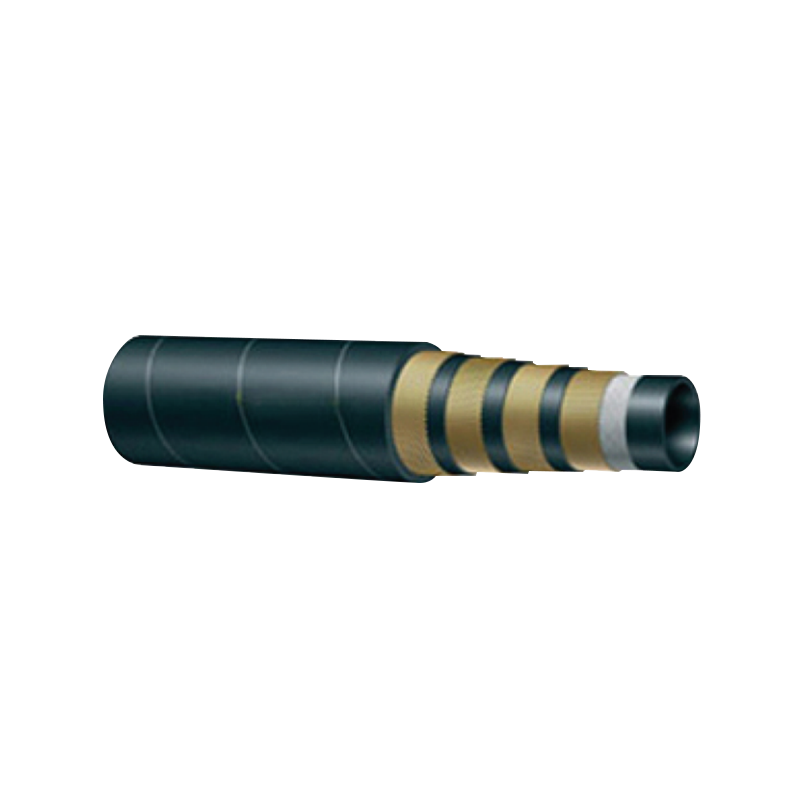
| 100R12/R13 | Multiple spiral wire layers | Up to ~6,000+ PSI |
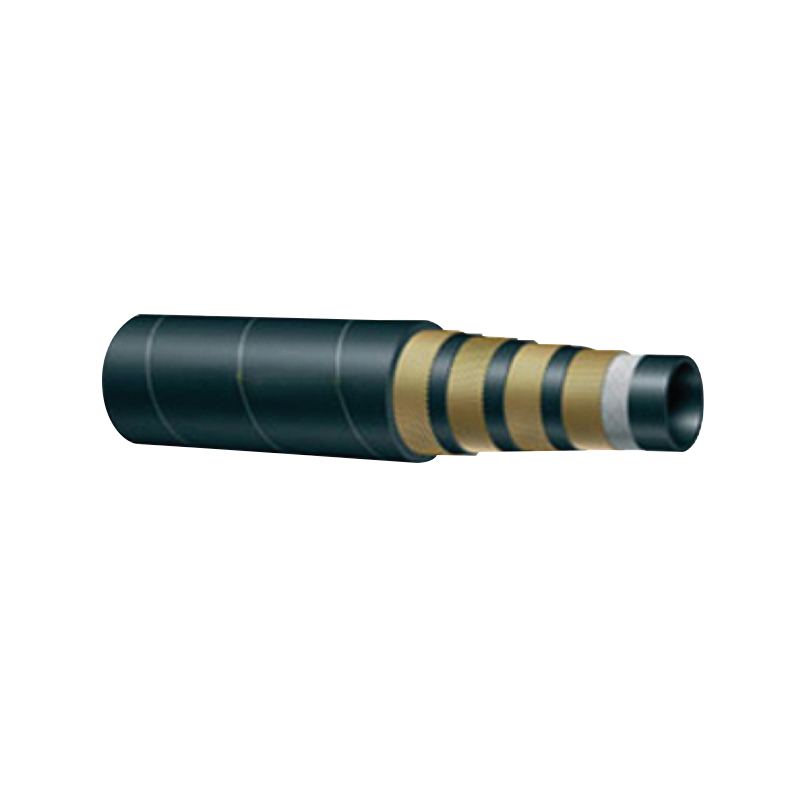
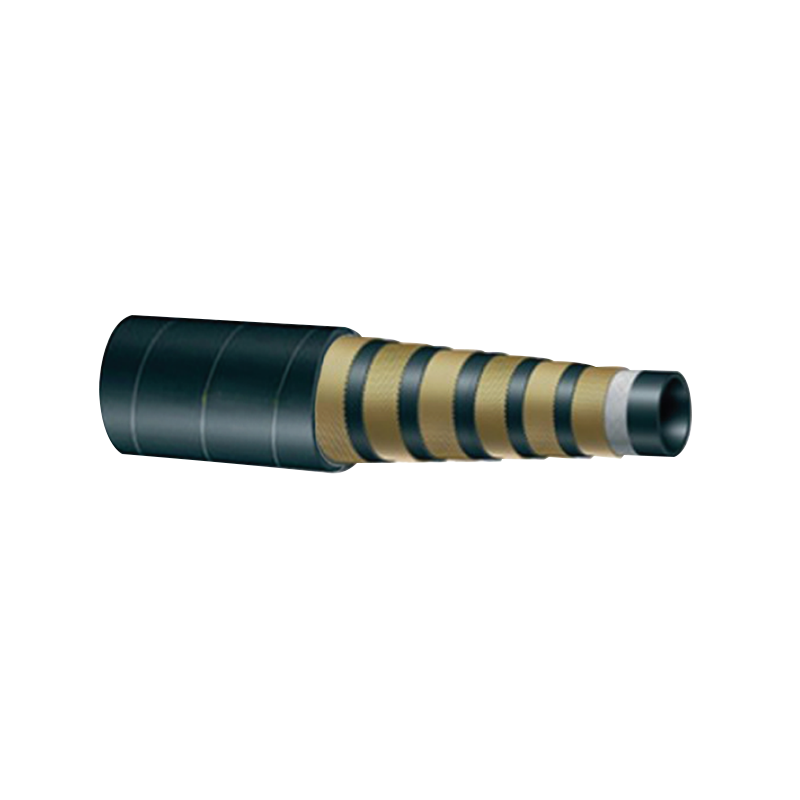
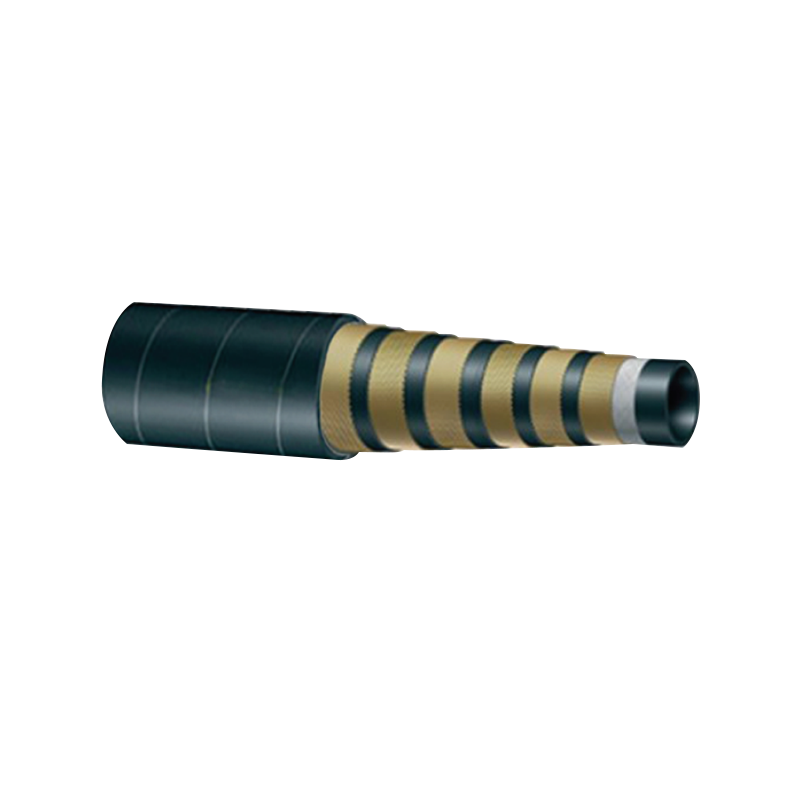
| 100R15 | Four to six spiral wire layers | Up to ~10,000+ PSI |
Spiral-wound hoses (R12 through R15) are generally required for high-pressure, high-impulse applications like excavator booms and hydraulic presses, while braided hoses (R1, R2) remain suitable for lower-pressure circuits like lift cylinders and simpler mobile equipment.
Hydraulic systems experience pressure spikes well above their steady-state operating pressure, particularly during cylinder direction changes, sudden load shifts, or valve shocks. These transient spikes can briefly exceed normal operating pressure by a significant margin, which is why hydraulic hose manufacturers universally recommend selecting a hose with a minimum 4:1 burst-to-working-pressure safety factor rather than matching the hose rating directly to the system's nominal operating pressure.
In practice, this means a system operating at 2,500 PSI should use a hose with a minimum working pressure rating of 2,500 PSI where the hose's burst rating is at least 10,000 PSI (4x working pressure), not simply a hose whose stated maximum matches 2,500 PSI. Reputable manufacturers publish both the working pressure and burst pressure rating for this reason — always check both figures rather than assuming the printed number is a safety-inclusive maximum.
Hydraulic hose sizing uses a "dash size" system, where each number represents the inner diameter in sixteenths of an inch — a -8 hose has a 1/2-inch ID, a -12 hose has a 3/4-inch ID, and so on. Undersizing a hose restricts flow and generates excess heat and pressure loss, which reduces both hose life and equipment efficiency.
| Dash Size | Inner Diameter | Common Use |
|---|---|---|
| -6 | 3/8 inch | Small hydraulic tools, control lines |
| -8 | 1/2 inch | Mobile equipment, mid-size cylinders |
| -12 | 3/4 inch | Heavy equipment main lines |
| -16 | 1 inch | High-flow industrial systems |
Beyond diameter, recommended fluid velocity also matters: pressure lines are typically sized for 15-20 feet per second flow velocity, while return lines are sized for a slower 10-15 feet per second, since excessive velocity in a return line increases turbulence, heat, and long-term wear.
Fitting mismatches are a leading cause of hydraulic leaks, and the three standards below account for most equipment in North America.
JIC fittings use a 37-degree flared seat and are among the most common hydraulic connections in mobile and industrial equipment. They seal metal-to-metal on the flare surface and are reliable at high pressure when properly torqued, but they can develop slow leaks if over- or under-tightened.
ORFS fittings seal using a rubber O-ring compressed between two flat faces rather than a metal flare, which provides a more consistent, leak-resistant seal, particularly at higher pressures and in applications subject to vibration. ORFS fittings are increasingly the preferred standard for high-pressure systems above 3,000 PSI because the O-ring seal tolerates minor imperfections in the mating surface better than a metal-to-metal flare.
NPT fittings use tapered threads that seal as they're tightened, similar to pneumatic NPT fittings, and remain common on pump and valve ports. They require thread sealant to seal reliably and are more prone to leaks under vibration compared to JIC or ORFS, which is why many high-vibration mobile applications avoid NPT wherever an alternative connection is available.
Hose inner tube material must be chemically compatible with the specific hydraulic fluid in use — petroleum-based oil, water-glycol fluid, and synthetic fire-resistant fluids each require different tube compounds, and using the wrong one can cause the tube to swell, crack, or degrade from the inside over time, often without visible warning until failure occurs.
Standard nitrile (NBR) tube hoses handle most petroleum-based hydraulic oils across a working range of roughly -40°F to 212°F, which covers the majority of mobile and industrial applications. Systems using synthetic or fire-resistant fluids, or operating in extreme heat near engines and exhaust components, typically require specialized tube compounds rated for higher temperatures, so always check the fluid manufacturer's compatibility chart against the hose's published tube material before installation.
Every hydraulic hose has a manufacturer-specified minimum bend radius, and routing a hose tighter than that radius stresses the reinforcement layer at the bend point, significantly shortening service life even if the hose doesn't fail immediately. Exceeding the minimum bend radius is one of the most common causes of premature hose failure in mobile equipment, where space constraints often tempt installers to route hoses more tightly than they should.
Once the individual specifications are understood, these steps translate them into a complete hose selection for a given piece of equipment.
Getting these six factors right at the time of purchase is what separates a hydraulic hose that lasts through years of demanding equipment use from one that fails unexpectedly within its first season, often at the worst possible time during operation.

 Wholesale High Pressure Power Washer Hose Manufacturers




 English
 Deutsch
 中文简体

a@uze.png "3000 PSI 1/4' Flexible PE Pressure Washer Hose")