Content
Hydraulic oil hoses manage pressure, heat, and flexing through a multi-layer construction — an inner tube resistant to oil, a reinforcement layer (typically braided or spiral-wound steel wire) that provides burst strength, and an outer cover that protects against abrasion and environmental damage — with quality hoses rated to handle working pressures up to 6,000+ PSI and temperatures ranging from -40°C to 121°C. Understanding how each layer contributes to overall performance helps operators select the right hose and recognize early signs of failure before they become safety hazards.
The Three-Layer Construction That Makes It Possible
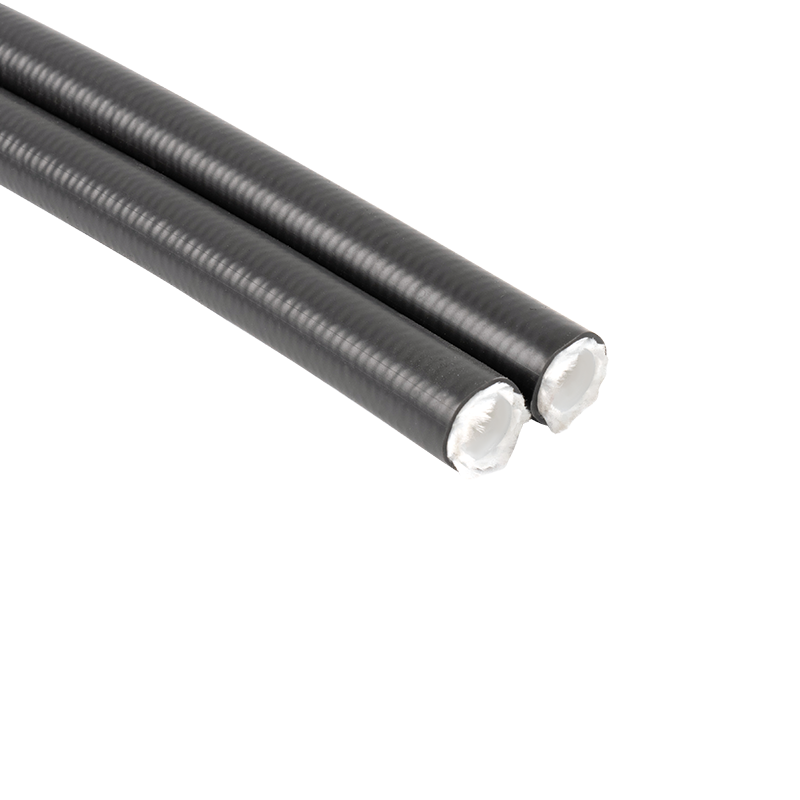
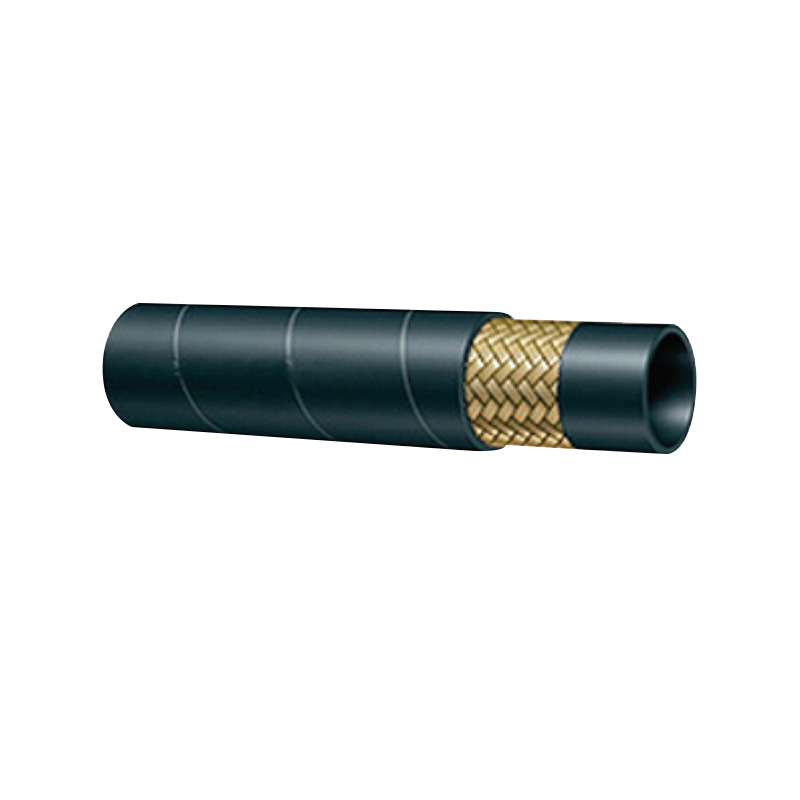
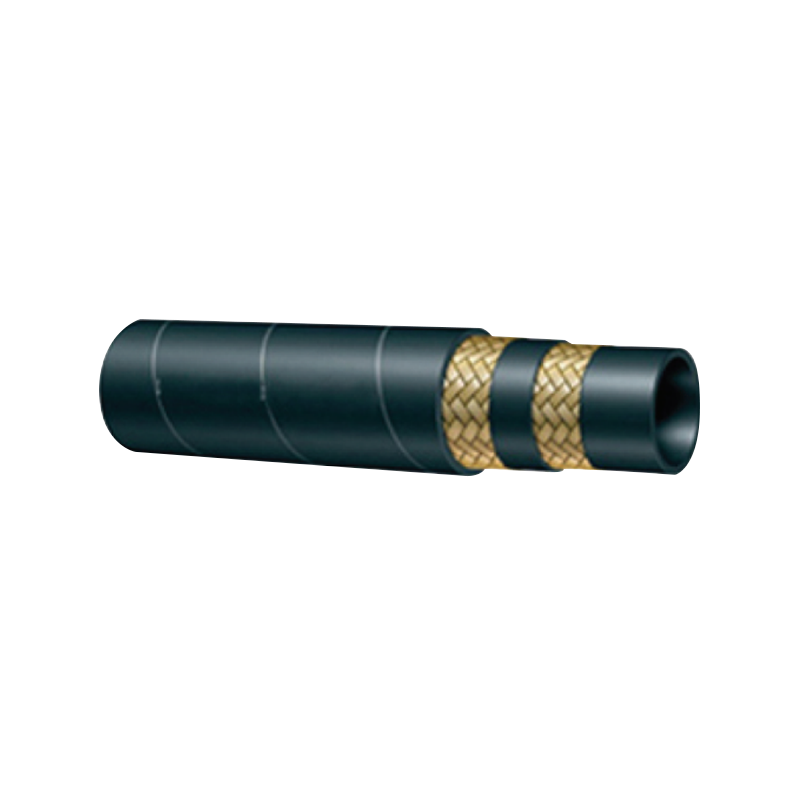
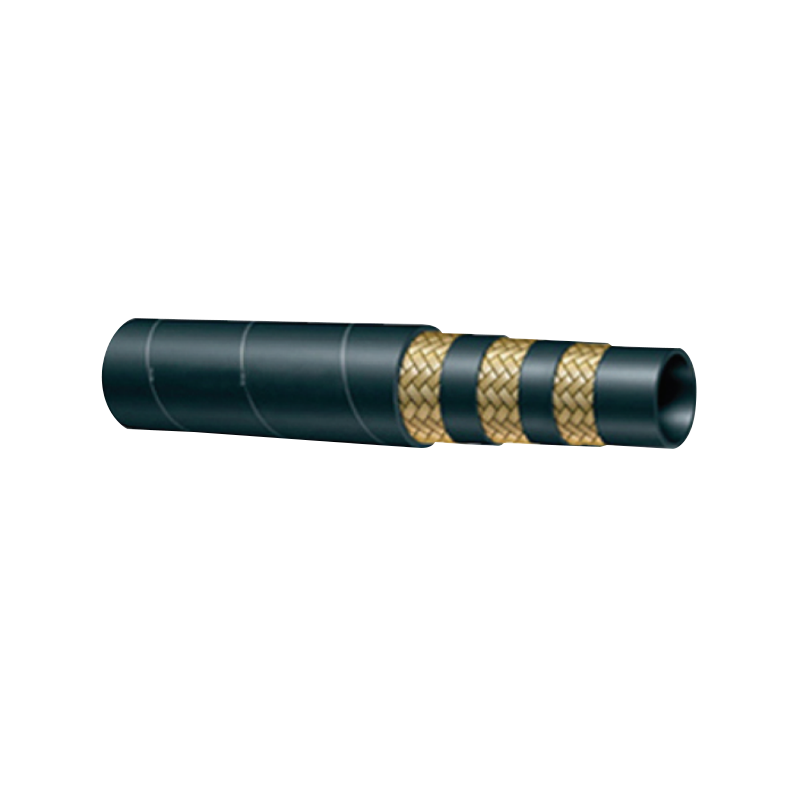
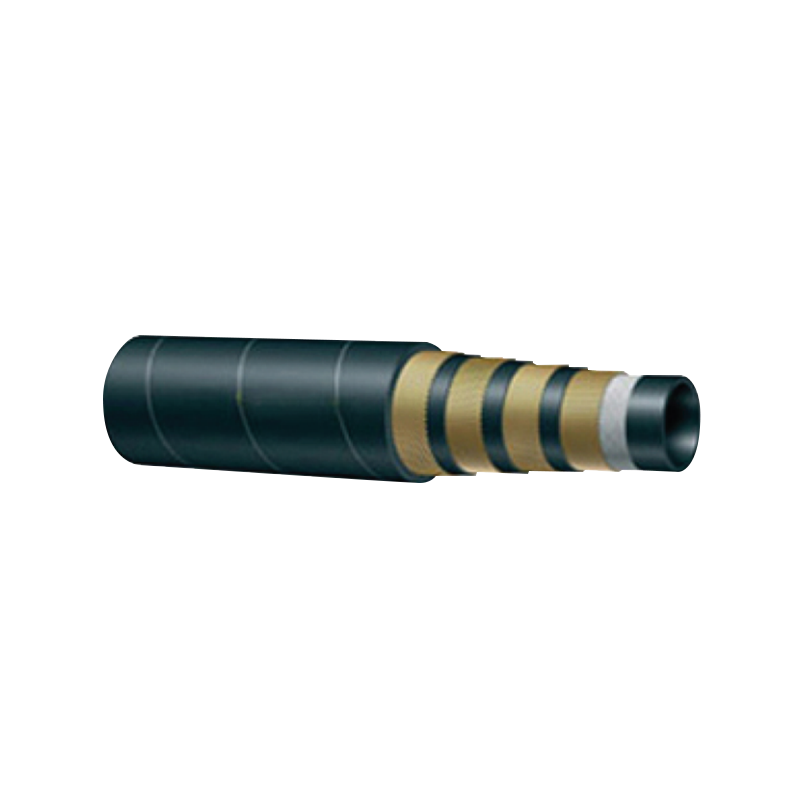
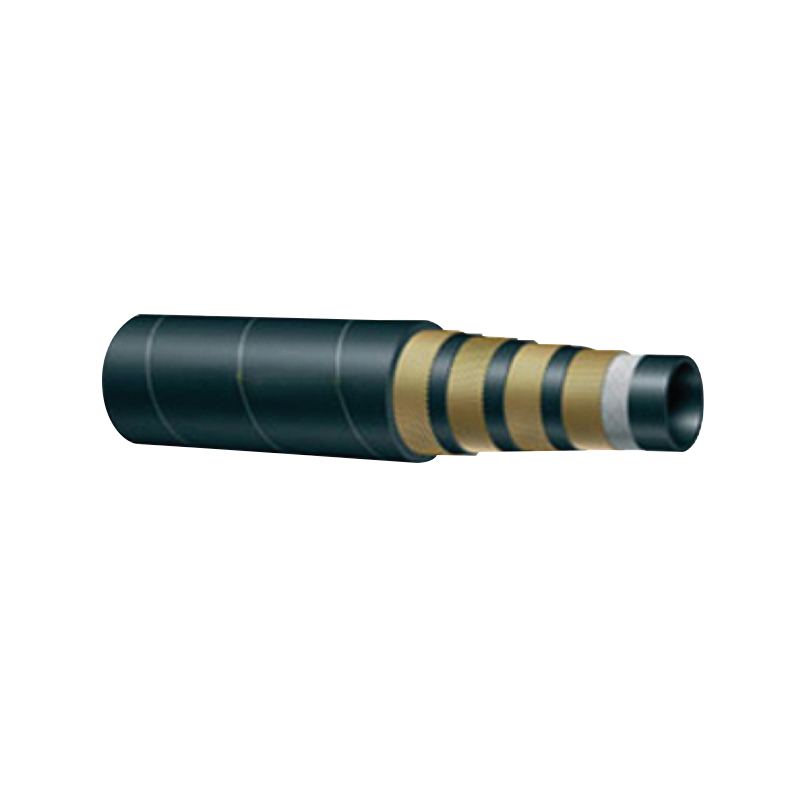
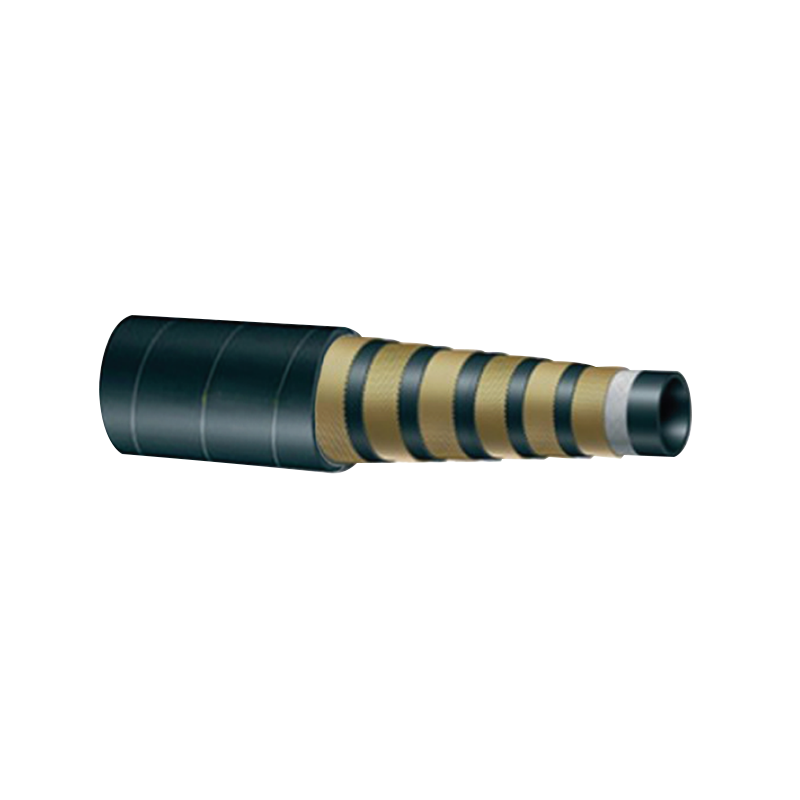
Every hydraulic oil hose is built from three distinct layers, each engineered for a specific job. The inner tube contains and carries the hydraulic fluid without degrading from prolonged oil exposure. The reinforcement layer, sandwiched in the middle, is what actually withstands internal pressure. The outer cover shields the hose from external abrasion, UV exposure, and chemical contact.
Removing or weakening any single layer can reduce a hose's rated working pressure by 50% or more, which is why hose damage — even cover-only abrasion that doesn't appear to reach the reinforcement — should never be ignored in the field.
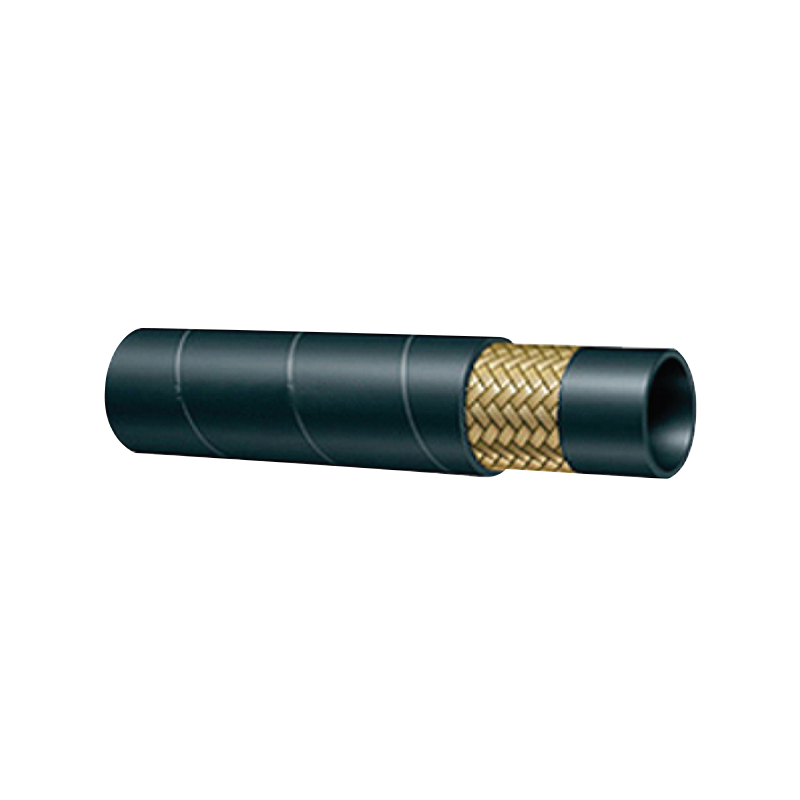
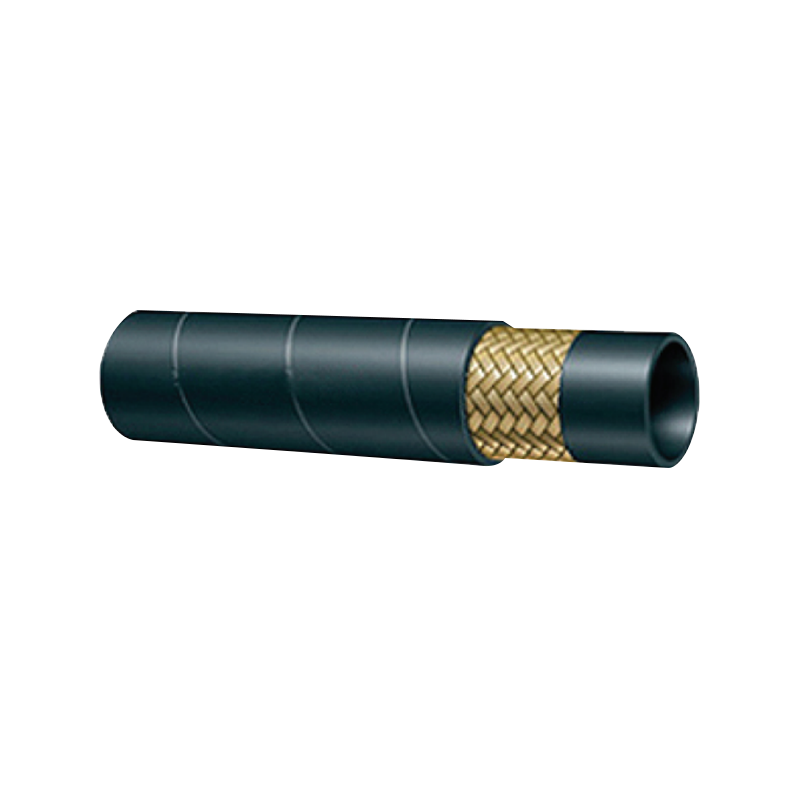
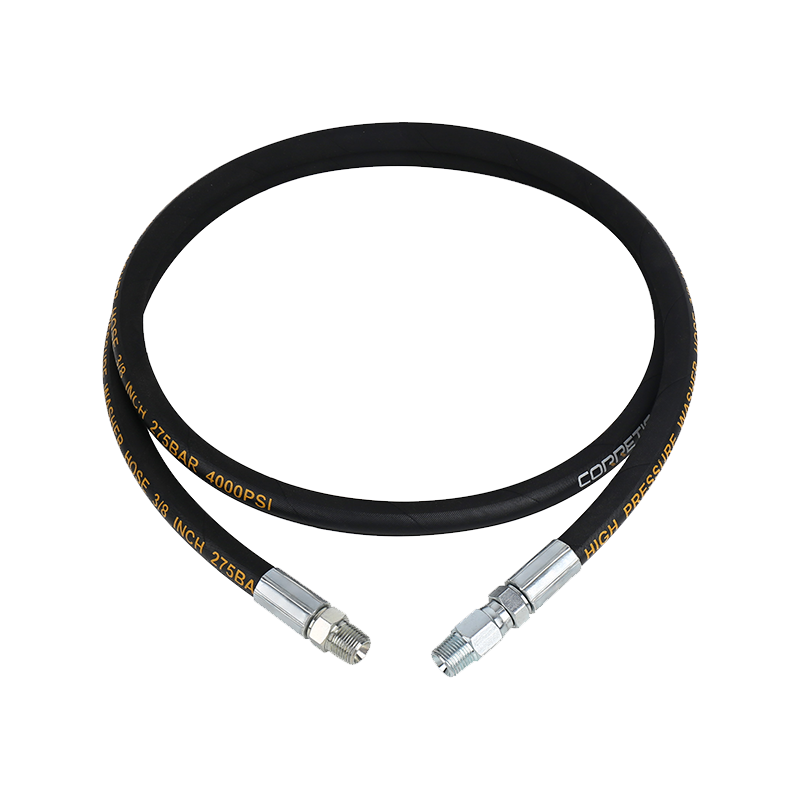
Braided hoses use steel wire woven in a crisscross pattern around the inner tube, similar to a sleeve. This construction offers good flexibility and handles moderate to high pressures, typically used in single-wire or double-wire braid configurations rated from 2,750 PSI to 5,000+ PSI depending on wire count and hose diameter.
Spiral-wound hoses wrap multiple layers of wire in a helical pattern along the hose's length rather than braiding. This design handles higher pressures and pressure impulse cycling better than braided hose, making it the standard choice for heavy machinery and construction equipment where pressures often exceed 5,000 PSI and can reach up to 6,000 PSI or higher in four-spiral configurations.
| Feature | Braided Hose | Spiral-Wound Hose |
|---|---|---|
| Typical pressure range | 2,750–5,000 PSI | 5,000–6,000+ PSI |
| Flexibility | High | Moderate (larger bend radius) |
| Impulse cycling durability | Good | Excellent |
| Typical application | Mobile equipment, general hydraulics | Heavy machinery, high-pressure systems |
Hydraulic systems generate significant heat through fluid friction, pump inefficiency, and mechanical load, meaning hoses must tolerate both external ambient heat and the internal temperature of the hydraulic fluid itself. Inner tube materials are selected specifically for this — synthetic rubber compounds like nitrile (NBR) are common for standard petroleum-based hydraulic oils, while more specialized compounds handle higher temperatures or specific fluid types.
Most standard hydraulic hoses are rated for continuous operation between -40°C and 100°C, with some high-temperature variants rated up to 121°C or higher for demanding applications like foundry or die casting equipment where ambient heat is already elevated.
Running a hose above its rated temperature accelerates degradation of the inner tube, causing it to harden and crack over time, which allows fluid to migrate into the reinforcement layer and corrode the wire from the inside out. Hoses operated consistently above their rated temperature can see service life reduced by 50% or more compared to hoses kept within spec.
Hydraulic hoses on mobile equipment — excavators, loaders, presses with moving components — must flex repeatedly without fatigue failure. The reinforcement layer's construction directly determines how well a hose tolerates this repeated motion.
Every hydraulic hose has a manufacturer-specified minimum bend radius — the tightest curve the hose can safely handle without damaging the reinforcement layer. Bending a hose tighter than its rated radius stresses the wire reinforcement at a single point, which can lead to premature failure even under normal operating pressure.
Hoses in dynamic applications experience constant pressure pulsing as hydraulic cylinders extend and retract. Industry impulse testing standards (such as SAE J343) require hoses to withstand hundreds of thousands of pressure cycles without failure. A quality spiral-wound hose can be rated for 500,000+ impulse cycles at its full rated pressure, reflecting the repeated flexing and pressure spikes seen in real-world mobile hydraulic applications.
Any of these signs warrant immediate hose replacement, since visible damage often indicates the reinforcement layer has already been compromised, even if the hose has not yet failed under pressure.
Matching hose construction to your system's actual operating conditions — not just peak pressure — is the key to long-term reliability. Applications with frequent flexing and moderate pressure are often well-served by braided hose, while high-pressure, high-cycle systems benefit from the added durability of spiral-wound construction. Temperature ratings should always be checked against both ambient conditions and the hydraulic fluid's actual operating temperature, not just the system's nominal rating.
Hydraulic oil hoses manage pressure, heat, and flexing through purposeful, layered engineering — not by chance. The reinforcement layer determines pressure capacity and cycling durability, the inner tube governs heat and fluid compatibility, and the outer cover protects against the abrasion and environmental exposure that can compromise everything underneath. Understanding how these layers work together helps operators select the right hose for their application and catch early warning signs before a failure leads to costly downtime or a safety incident.

 Wholesale High Pressure Power Washer Hose Manufacturers




 English
 Deutsch
 中文简体

a@uze.png "3000 PSI 1/4' Flexible PE Pressure Washer Hose")