Content
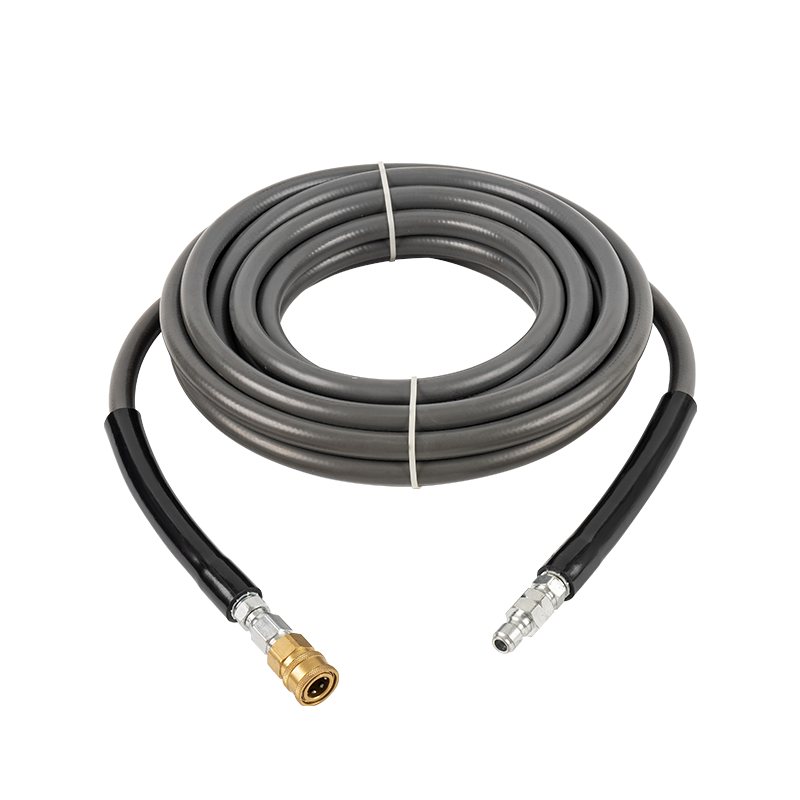
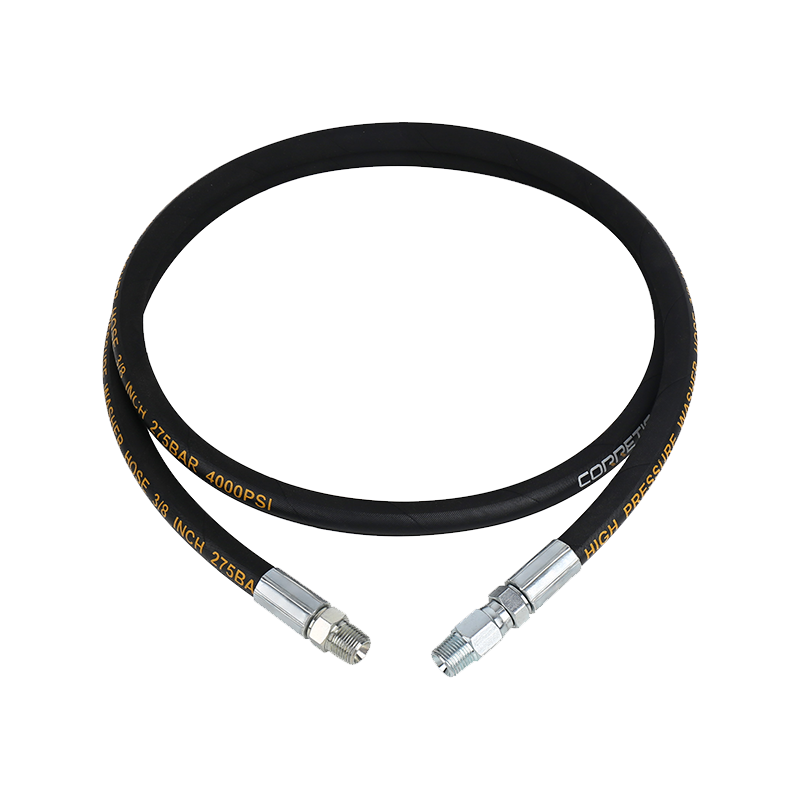
For most homeowners and light commercial users, the right high pressure washer hose is a 3/8-inch diameter hose rated for at least 4,000 PSI (roughly 1.5-2x your washer's actual operating pressure), fitted with M22-14mm connectors, in a 25-50 foot length. That combination covers the vast majority of gas and electric pressure washers on the market.
A hose's PSI rating represents its maximum safe working pressure, not the pressure it's designed to run at continuously. Pressure spikes occur every time the trigger gun is released and re-engaged, since the pump briefly builds pressure against a closed valve before the flow resumes, and these spikes can exceed the washer's rated output by a meaningful margin.
For this reason, most manufacturers and safety guidelines recommend a hose rated at 1.5 to 2 times your pressure washer's actual operating PSI. A washer rated at 2,000 PSI should use a hose rated for at least 3,000-4,000 PSI, and a commercial washer running 3,500 PSI should use a hose rated 5,000 PSI or higher. Using a hose rated exactly at the washer's operating pressure with no safety margin significantly increases the risk of a burst hose during normal use.
| Washer Operating PSI | Recommended Hose Rating |
|---|---|
| 1,500-2,000 PSI (light electric) | 3,000 PSI minimum |
| 2,000-2,800 PSI (mid-range gas) | 4,000 PSI minimum |
| 3,000-3,500 PSI (commercial gas) | 5,000-6,000 PSI |
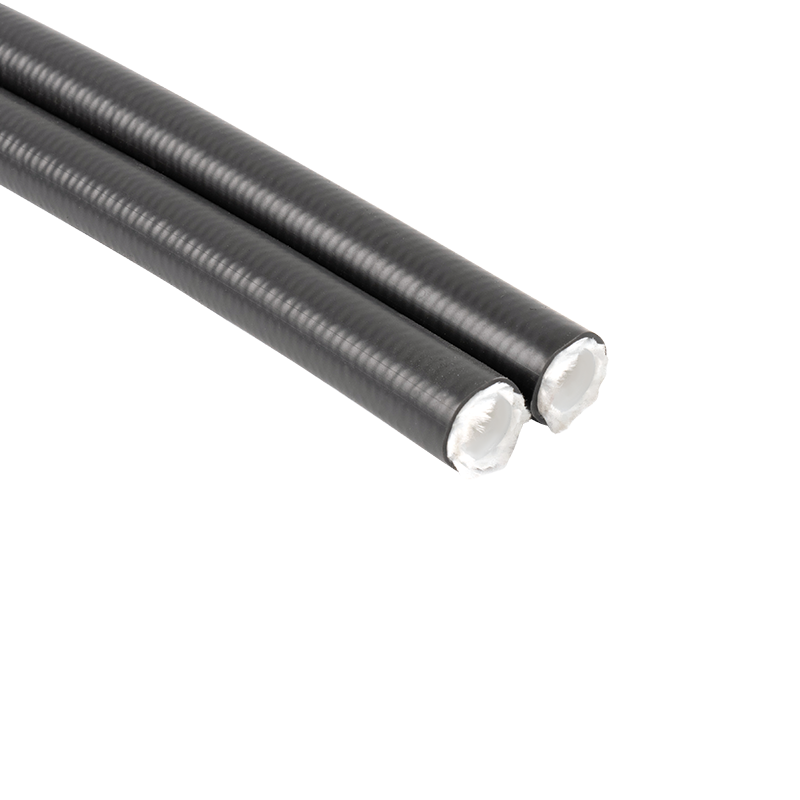
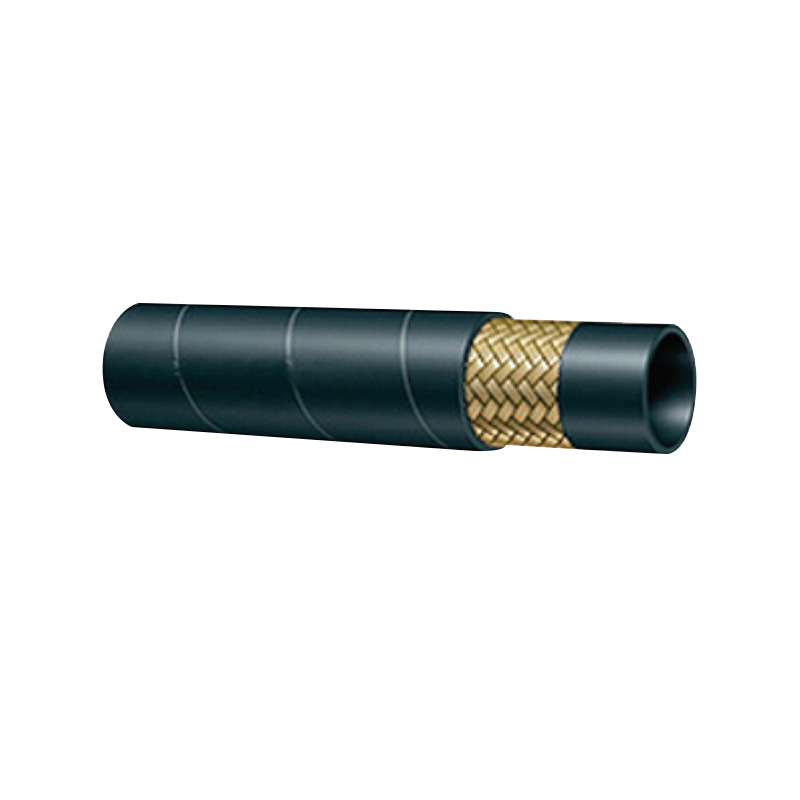
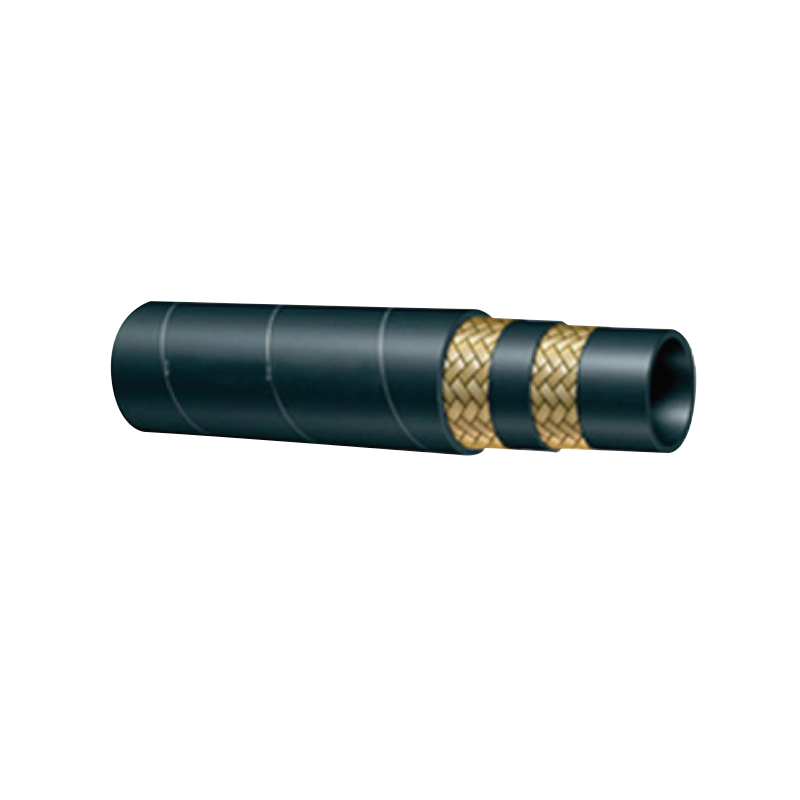
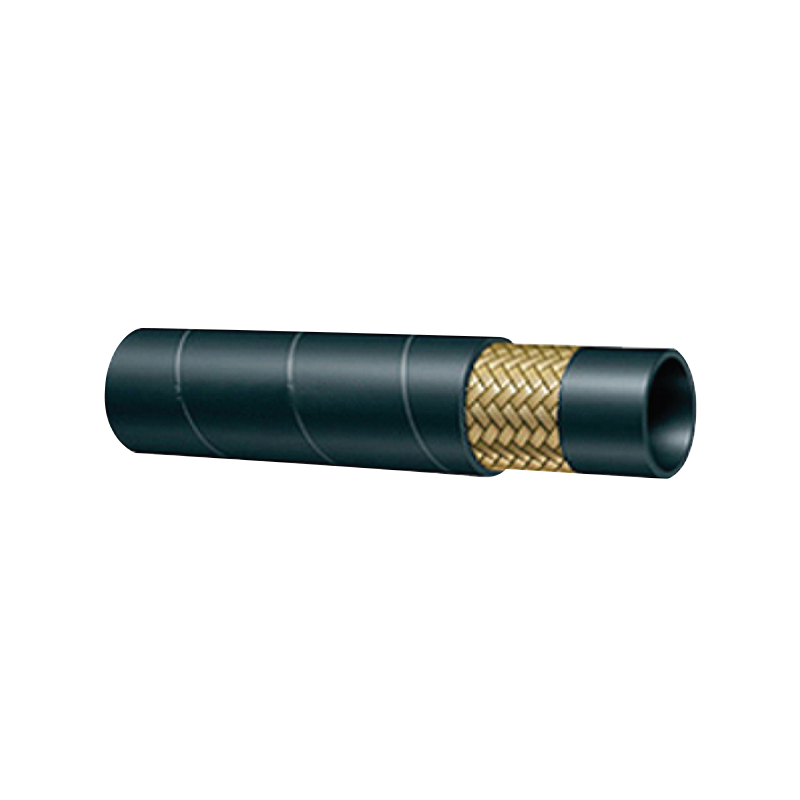
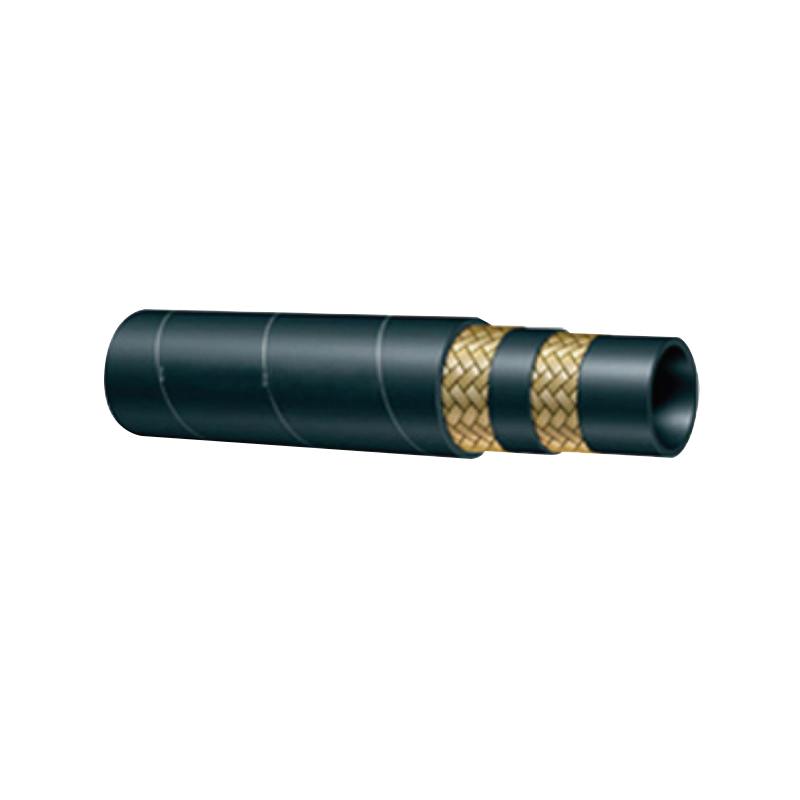
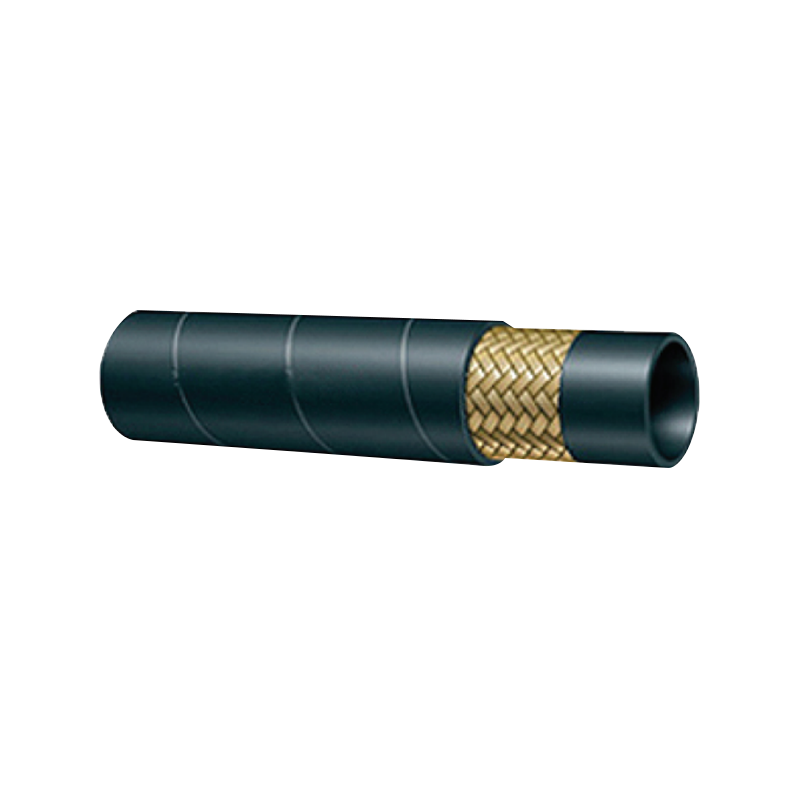
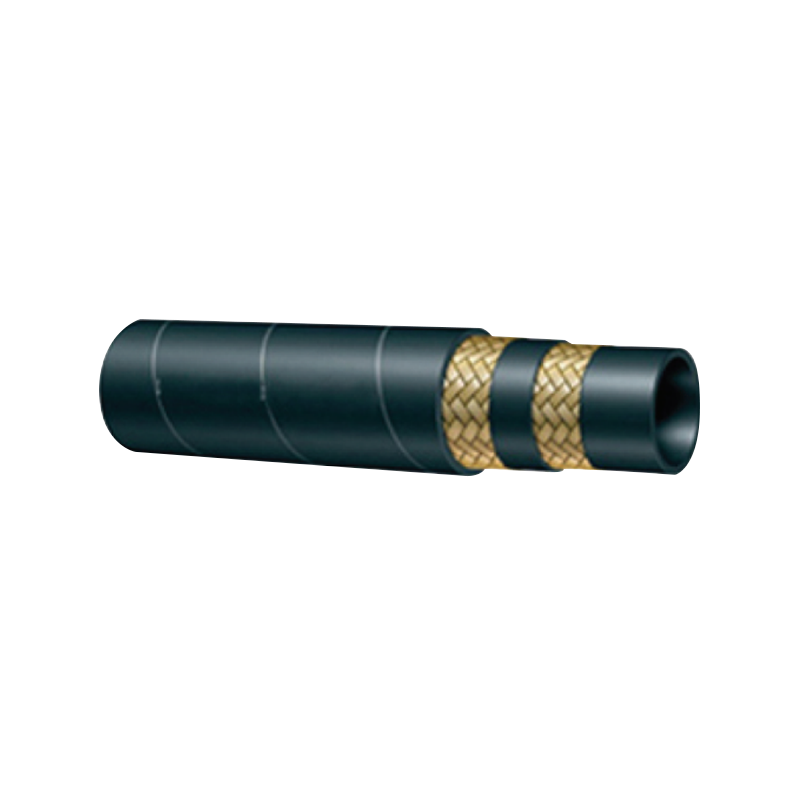
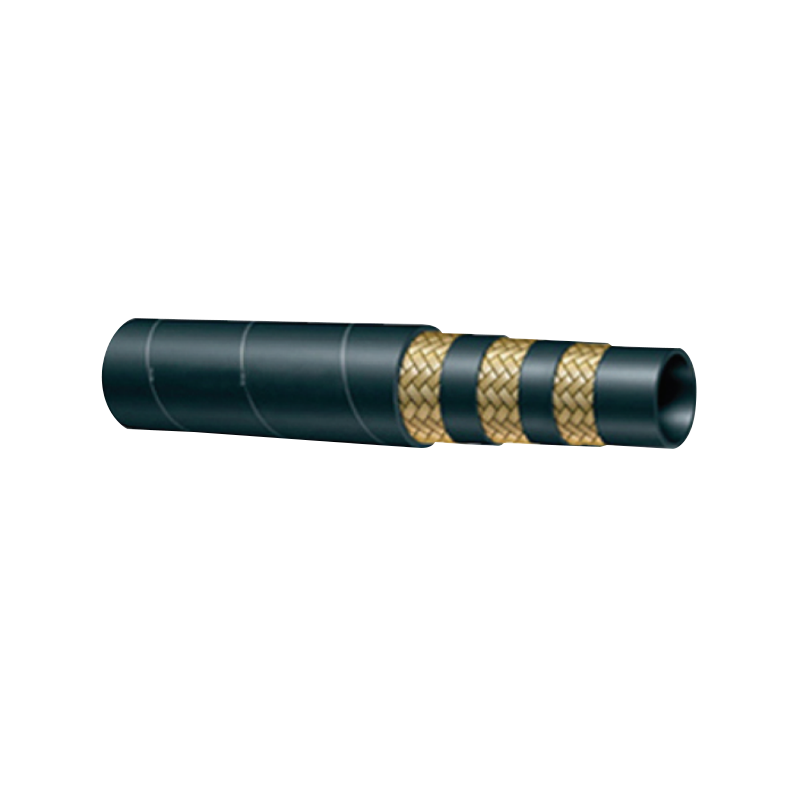
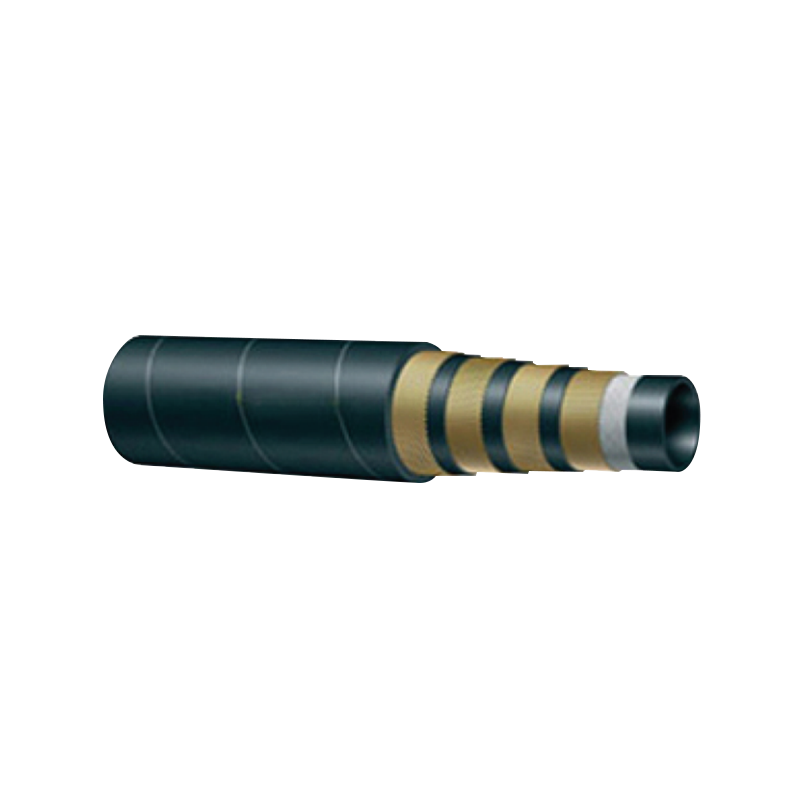
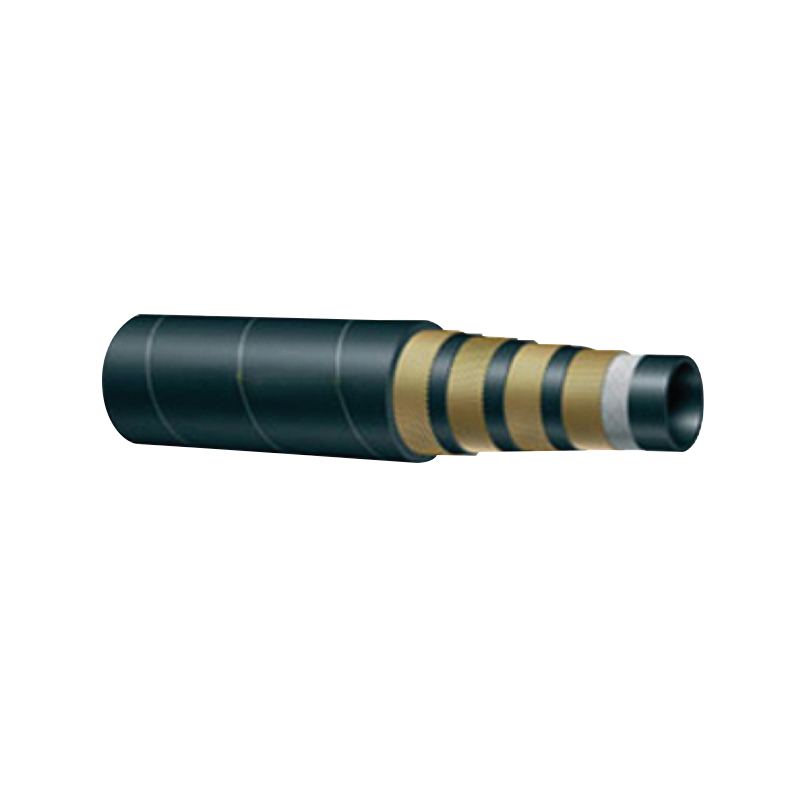
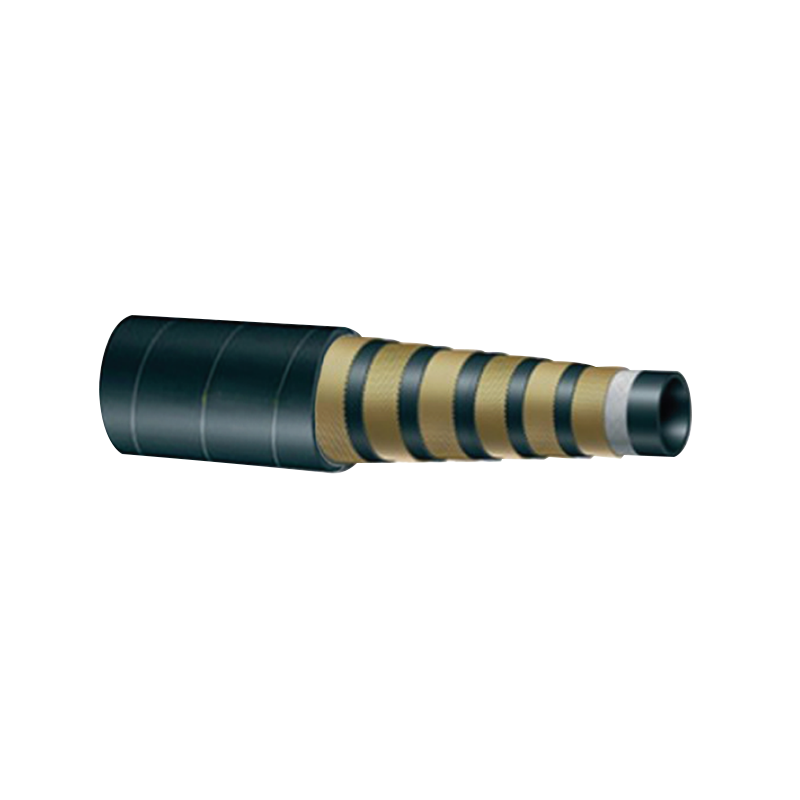
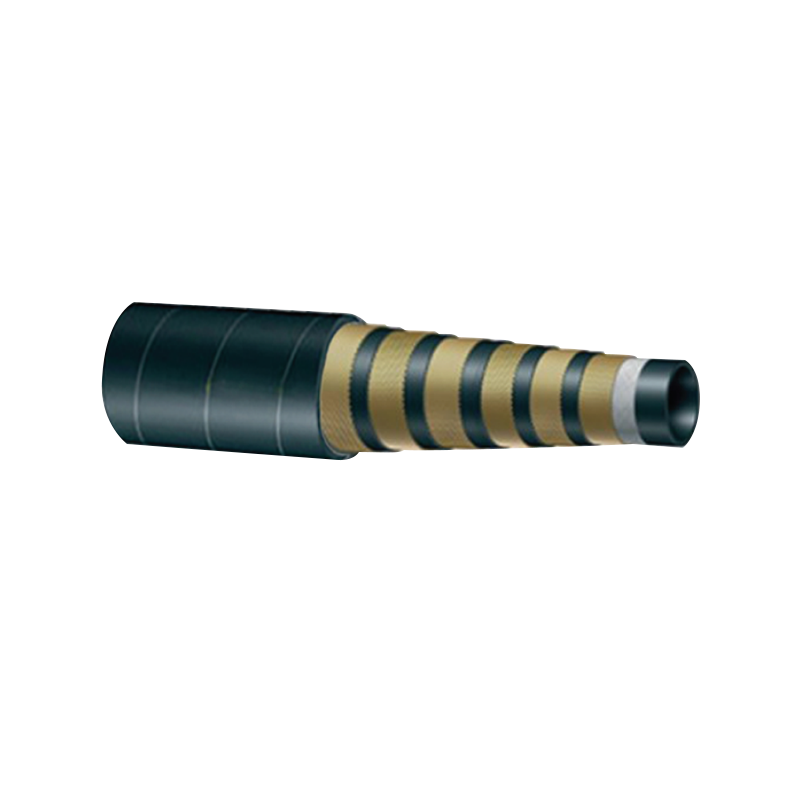
Nearly all high pressure washer hoses share a similar core construction — an inner rubber or thermoplastic tube, a reinforcing braid layer, and an outer protective cover — but the number of braid layers and outer material determine durability and maximum pressure rating.
Single-braid hoses use one layer of woven steel or synthetic reinforcement and typically handle up to 3,000-4,000 PSI, sufficient for most consumer-grade electric and light gas washers. Double-braid hoses add a second reinforcing layer, pushing the safe rating to 5,000-6,000+ PSI and adding meaningful resistance to abrasion and kinking, which is why nearly all commercial and industrial-duty hoses use double-braid construction.
Rubber-covered hoses are more flexible in cold weather and more resistant to abrasion from dragging across pavement or gravel, making them the preferred choice for daily commercial use. PVC or thermoplastic-covered hoses are lighter and less expensive, performing well for occasional residential use, but they stiffen more in cold temperatures and generally show wear faster under frequent, heavy dragging.
Hose diameter affects flow rate and pressure retention over distance, similar to the way pipe diameter affects water flow in plumbing. Most pressure washers use either 1/4-inch or 3/8-inch inner diameter hoses, and choosing the wrong one for your machine's GPM (gallons per minute) rating can noticeably reduce spray performance at the nozzle.
Length matters too, though less dramatically than diameter. Every additional 50 feet of hose length can reduce effective pressure at the nozzle by roughly 3-5% due to internal friction, which is a minor loss for most jobs but worth accounting for if you're running hoses longer than 100 feet for large properties or commercial cleaning routes.
Fitting mismatches are one of the most common sources of leaks in pressure washer setups, and they're often mistaken for a defective hose when the real issue is a thread standard mismatch.
M22 (metric 22mm) is the most common fitting standard across residential and consumer pressure washers, but it comes in two variations — M22-14mm and M22-15mm — that look nearly identical but are not interchangeable. Forcing a mismatched M22 size onto a fitting can strip the threads or create a seal that leaks under pressure even though it appears to screw on correctly at first.
Many hoses include quick-connect fittings for fast attachment to the machine and wand, but as with pneumatic quick-connects, profiles vary between manufacturers. Confirming your washer's factory fitting type before buying a replacement or extension hose avoids the common problem of a hose that looks compatible in photos but doesn't actually lock onto your machine.
Most pressure washer hose failures trace back to a handful of preventable causes rather than random defects.
Draining the hose completely and storing it loosely coiled indoors between uses, especially in freezing climates, is one of the simplest habits that meaningfully extends a hose's working life beyond its typical wear pattern.
Once the general specifications are clear, these steps turn them into an actual purchase decision.
Getting the PSI margin, diameter, and fitting size right at the time of purchase is what separates a hose that lasts several seasons of regular use from one that fails at the connection point within the first few jobs.

 Wholesale High Pressure Power Washer Hose Manufacturers




 English
 Deutsch
 中文简体