Content
The right high pressure washer hose comes down to matching three specs to your machine: pressure rating, diameter, and length. Choose a hose rated at least 25% above your pressure washer's maximum PSI (most residential machines run 1,500–3,000 PSI, commercial units 3,000–4,000 PSI), a diameter of 1/4 inch for residential use or 3/8 inch for commercial/industrial machines, and a length that reaches your farthest cleaning point without exceeding 100 feet, since longer runs cause noticeable pressure drop. Getting these three details right prevents the two most common hose failures: bursting under pressure and losing cleaning power over distance.
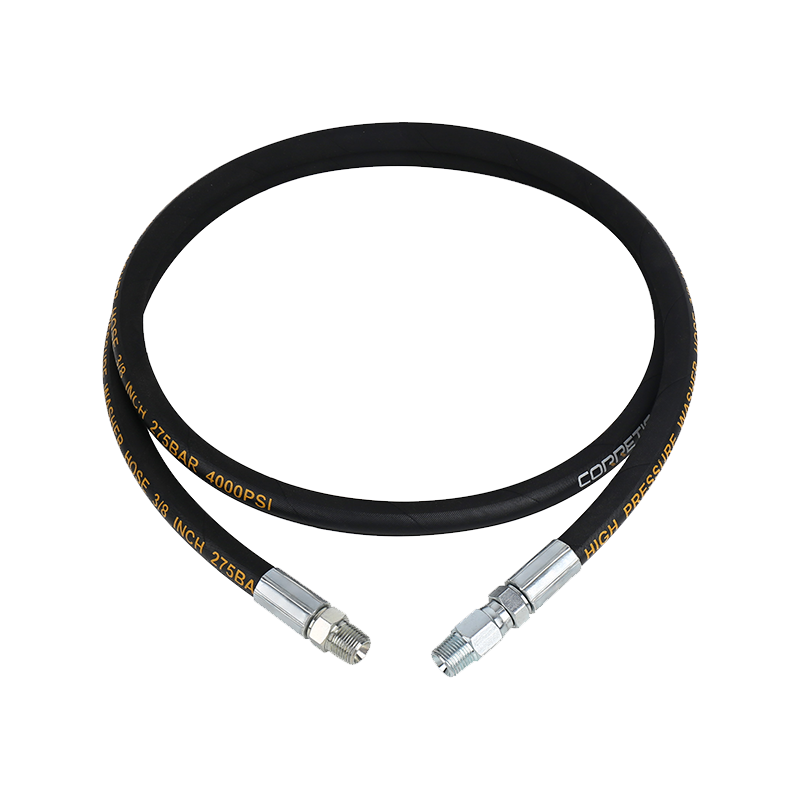
Every pressure washer hose carries a maximum working pressure rating, usually printed directly on the hose jacket. This rating must exceed your machine's maximum output, not just match it, since pressure spikes occur during nozzle changes, trigger release, and startup surges.
As a safety margin, most manufacturers recommend selecting a hose rated at 125% or more of your pressure washer's rated PSI. A machine rated at 3,000 PSI, for example, should be paired with a hose rated for at least 3,750 PSI to comfortably absorb those momentary spikes without risking a burst.
| Pressure Washer Class | Machine PSI Range | Recommended Hose Rating |
|---|---|---|
| Light residential (electric) | 1,500–1,900 PSI | 2,000–2,500 PSI |
| Standard residential (gas) | 2,000–3,000 PSI | 3,200–3,700 PSI |
| Commercial / contractor | 3,000–4,000 PSI | 4,000–5,000 PSI |
| Industrial / hot water units | 4,000+ PSI | 5,000+ PSI |
Material affects durability, flexibility, and how well a hose tolerates temperature extremes.
Diameter affects both flow rate and pressure retention over distance, making it just as important as pressure rating.
Standard for most residential electric and gas pressure washers under 3,000 PSI, offering a good balance of flexibility and flow for typical home cleaning tasks like driveways, siding, and decks.
Used on higher-flow commercial and industrial machines, where the larger internal diameter reduces pressure loss over long hose runs and supports higher gallons-per-minute (GPM) output.
Most pressure washer hoses come in standard lengths of 25, 50, and 100 feet. While it's tempting to buy the longest hose available for maximum reach, longer hoses cause measurable pressure drop, particularly with a narrower 1/4-inch diameter.
Fittings must match both your pressure washer's outlet and your gun/wand connection, and mismatched fittings are one of the most common reasons a new hose doesn't work with an existing machine.
If you're using a hot water pressure washer, check the hose's maximum temperature rating specifically, since a standard cold-water-rated hose can soften or fail when exposed to heated water. Most hot-water-rated hoses are rated up to 250°F, while standard cold-water hoses are typically limited to around 150°F.
Choosing the right high pressure washer hose means matching three specifications to your machine and job: a pressure rating at least 25% above your washer's maximum PSI, a diameter suited to your machine's flow rate (1/4-inch for residential, 3/8-inch for commercial), and a length that reaches your work area without exceeding 100 feet on a single run. Get these right, along with fittings that match your equipment, and the hose will deliver consistent pressure and cleaning power for years rather than failing prematurely under load.

 Wholesale High Pressure Power Washer Hose Manufacturers




 English
 Deutsch
 中文简体

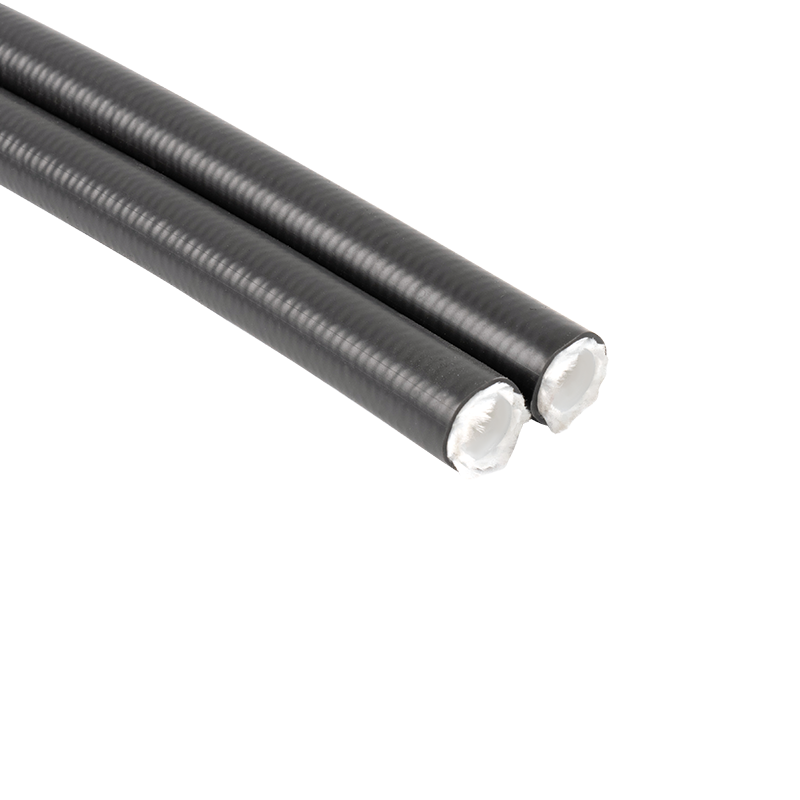
a@uze.png "3000 PSI 1/4' Flexible PE Pressure Washer Hose")