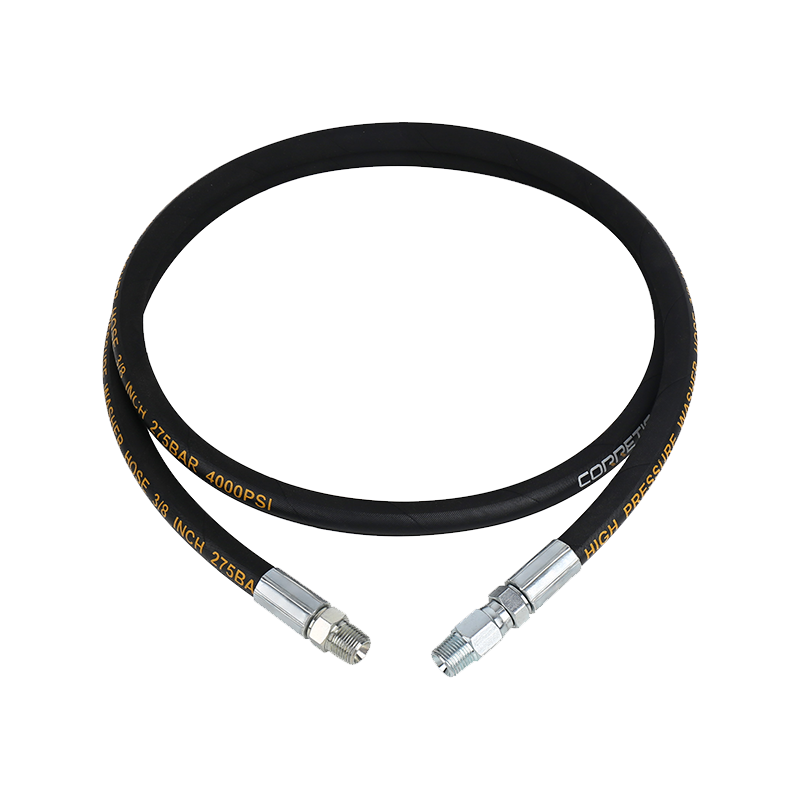
Content
When a hydraulic line suddenly bursts on a 4000 psi washer or a construction machine loses pressure because the hose failed at the fitting, the answer usually comes back to the same question: was the high pressure flexible hose selected for the right conditions? In our experience manufacturing rubber hoses for industrial equipment, the most common mistakes are not about the price or the brand. They are about pressure class, construction, and installation details.
The conclusion is simple: a high pressure flexible hose should be chosen by matching the working pressure, impulse resistance, and bending requirements of the machine to the specific construction of the hose. Do that first, and the rest of the decision becomes much easier.
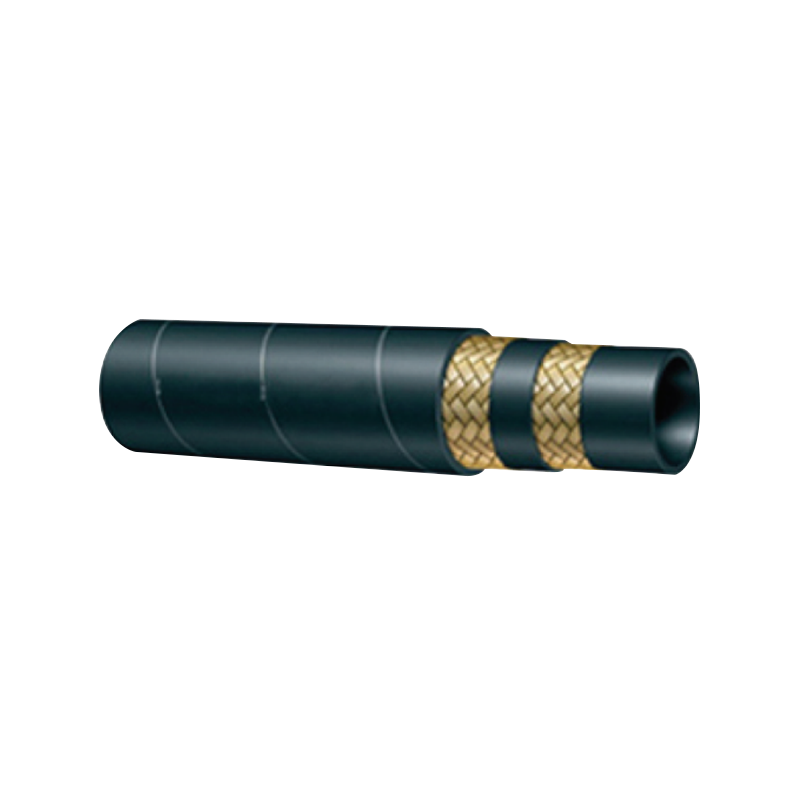
A high pressure flexible hose is not a thick rubber tube. It is a composite structure with three distinct layers: the inner tube, the reinforcement layer, and the cover. The inner tube carries the fluid and must resist chemical attack, high temperature, and elongation. The cover protects the reinforcement from abrasion, oil, ozone, and sunlight. The reinforcement layer is what gives the hose its pressure capability.
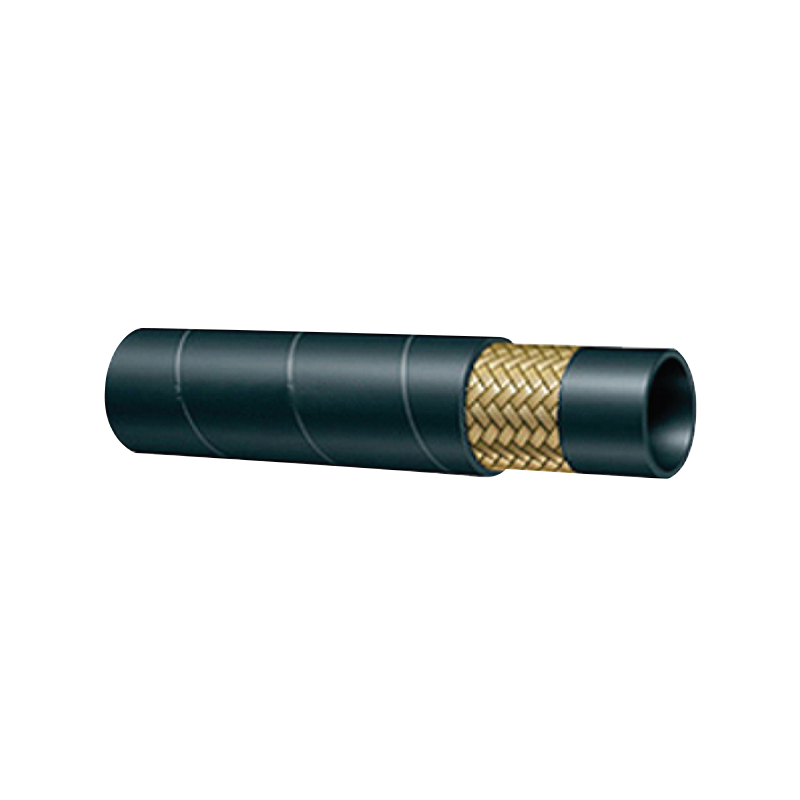
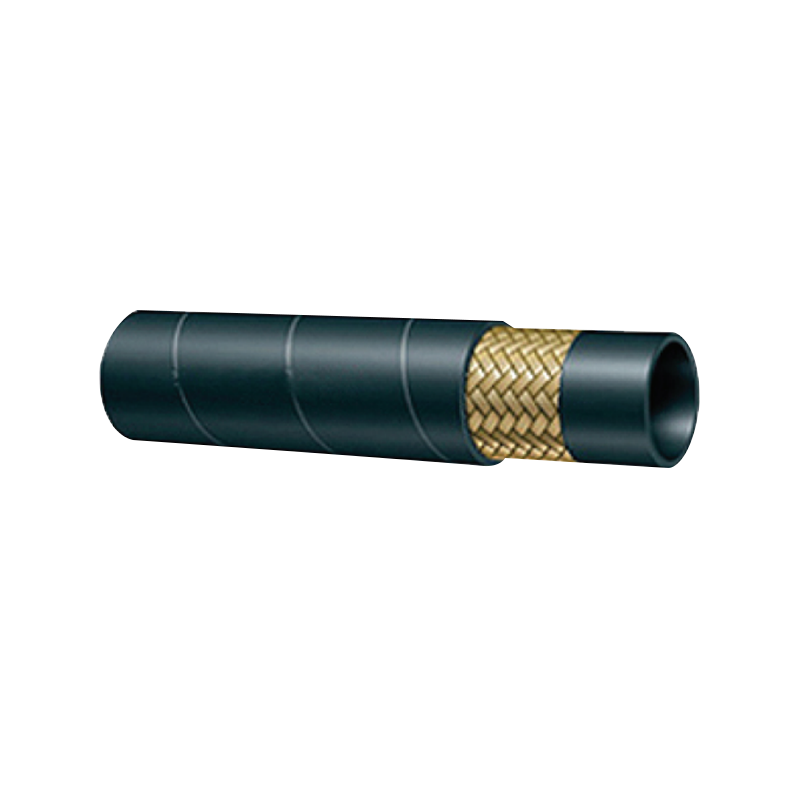
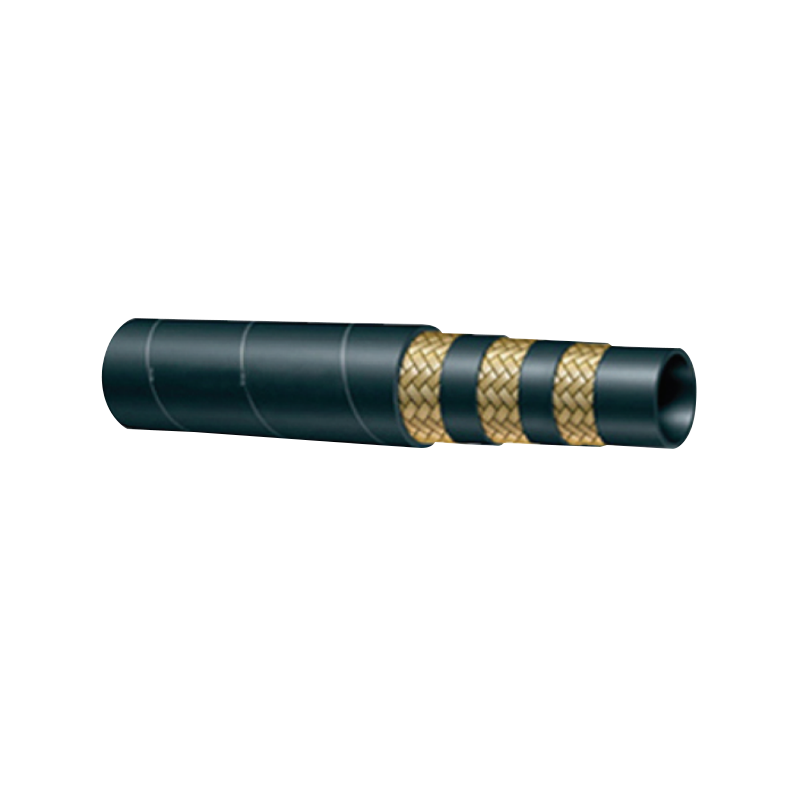
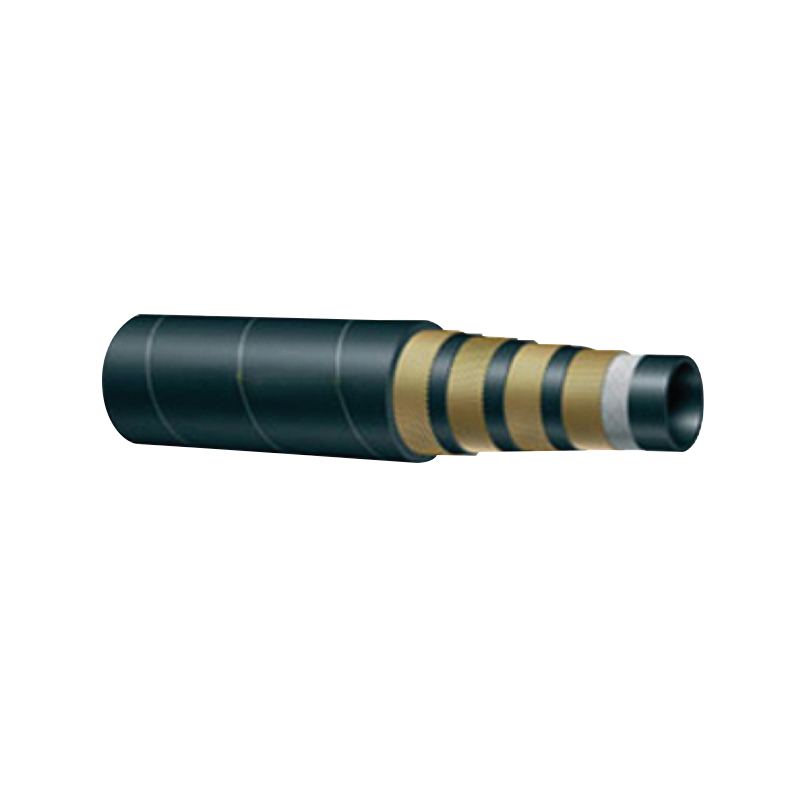
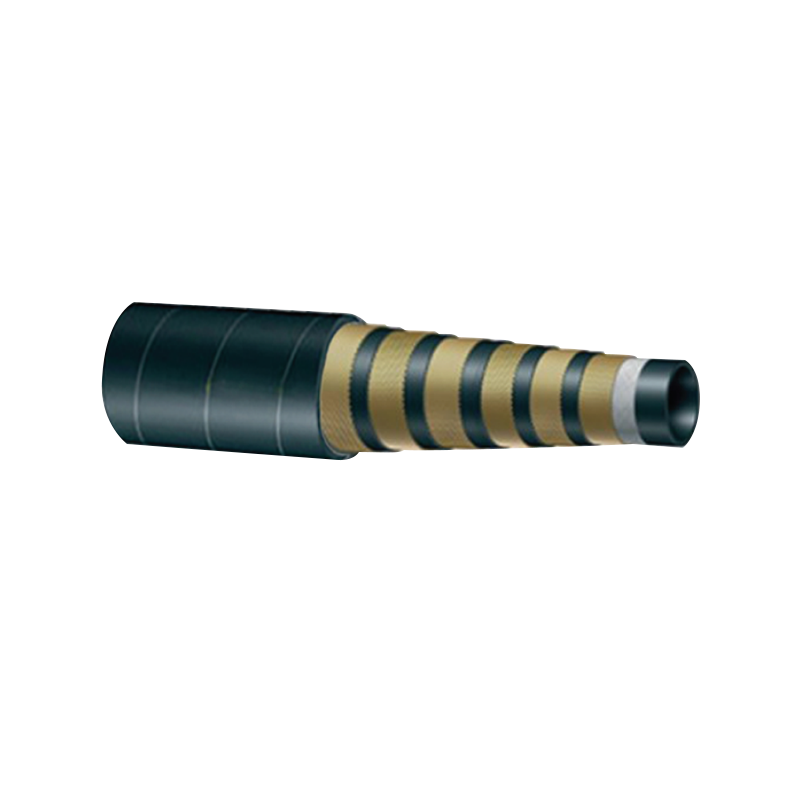
The reinforcement is usually made of high-tensile steel wire. It can be braided in one or two layers for medium to high pressure, or spiraled in multiple layers for ultra-high pressure. Braided hoses are more flexible and have a smaller bending radius than spiral hoses. Spiral hoses tolerate higher pressure and more impulse cycles but are less flexible and heavier. This difference matters when you need to route the hose through tight corners or when the machine subject it to severe pressure spikes.
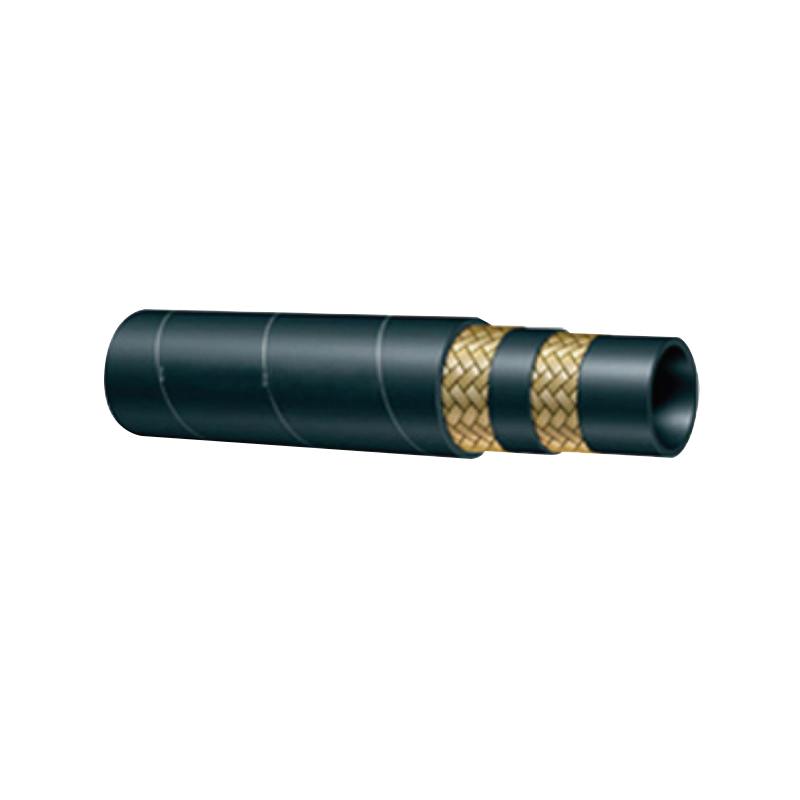
Manufacturers follow standards such as EN857, SAE 100R, EN856, and GB3683 to define the exact construction and performance requirements. These standards allow you to compare a product from one supplier to another without relying on marketing claims. For example, a single wire braid hose such as SAE 100R1AT is a lower-pressure option, while a double wire braid like SAE 100R2AT handles significantly higher working pressure with the same bore size.
For a braided hose that balances flexibility and pressure capacity, a double wire braid construction is a common choice in hydraulic circuits. When a system demands higher pressure and longer pulse life, a spiral construction is often the better fit.
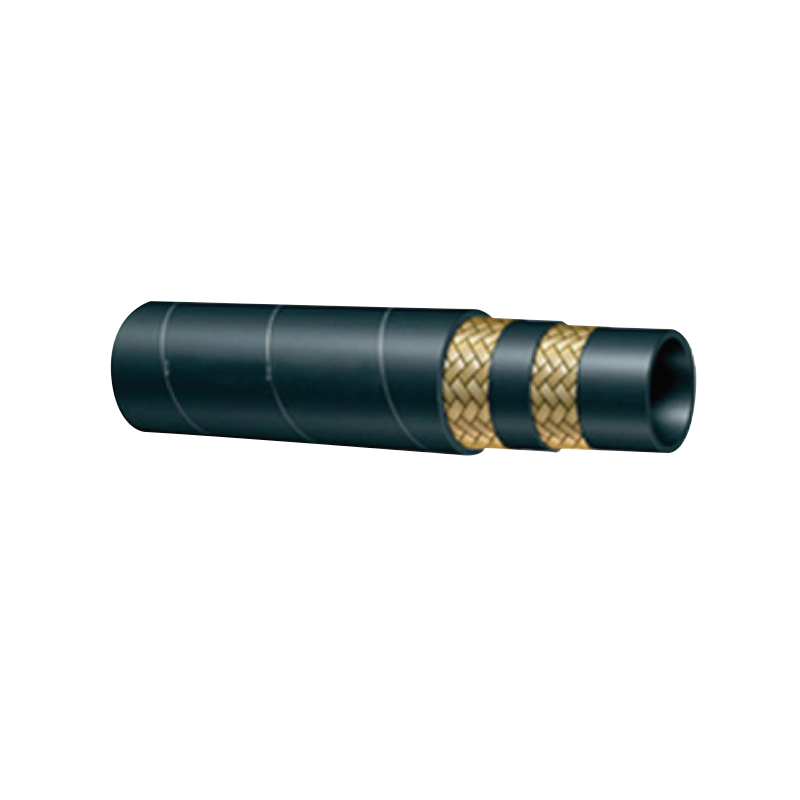 Double-Layer Steel Wire Braided Hydraulic Hose for High Pressure SystemsThis SAE 100R2AT/2SN hose features two layers of steel wire braiding for enhanced strength and flexibility, making it suitable for demanding hydraulic circuits in construction and industrial machinery.View Product →
The safest way to select a high pressure flexible hose is to follow the standard that defines its pressure class. International and national standards give you a measurable way to compare products from different suppliers. The table below summarizes the common construction classes we manufacture and the typical applications they serve.
| Standard | Construction | Typical Application |
|---|---|---|
| EN857 1SC / SAE 100R1AT | Single steel wire braid | Medium pressure hydraulic lines |
| EN857 2SC / SAE 100R2AT | Double steel wire braid | High pressure hydraulic circuits |
| GB3683 / MT98 | Single, double, or triple steel wire braid | Mining and general hydraulic service |
| EN856 4SP / 4SH | Four-layer spiral wire | Ultra-high pressure mobile hydraulics |
| SAE R13 / R15 | Six- or multi-layer spiral wire | Extreme pressure applications |
Each construction class has a different nominal pressure range for a given inside diameter. This is why you cannot simply choose a hose with a “bigger” diameter or a thicker wall. The reinforcement and the wall thickness are engineered together to handle specific pressure levels, and the bore size must be matched to the required flow rate. A hose that is too small may cause excessive pressure drop and heat, while a hose that is too large adds cost and inertia.
When reading a hose specification, focus on three numbers: working pressure, burst pressure, and minimum bending radius. Working pressure is the safe continuous operating limit. Burst pressure is the point at which catastrophic failure occurs, typically four times the working pressure. The bending radius tells you how tight you can coil the hose under normal installation.
“Flexible” in a high pressure flexible hose means the hose can be bent to a specified radius without collapsing or kinking. The minimum bending radius is a critical parameter. If you route a large spiral hose through a tight bend, the wire layers may pinch or the inner tube may fold. This can restrict flow or cause fatigue fracture of the reinforcement wires.
Temperature is another factor. The inner tube and cover have rated temperature ranges. A hydraulic hose designed for mineral oil may pass water or water-glycol but at a lower temperature limit. A pressure washer hose that handles boiling water needs a cover that can resist the constant heat without hardening. If the application includes a high ambient temperature, the pressure class of the hose has to be derated.
In high-vibration environments, the connection between the hose and the fitting is the weakest point. Repeated vibration can loosen fittings or cause stress on the reinforcement at the fitting area. This is a common reason for leakage in hydraulic systems. Abrasion from routing the hose against a steel edge also shortens life. A protective sleeve or a hose with a wear-resistant cover can make a significant difference.
For systems that require both high pressure and wear resistance, an EN856 4SH spiral hose is a proven choice in our production range.
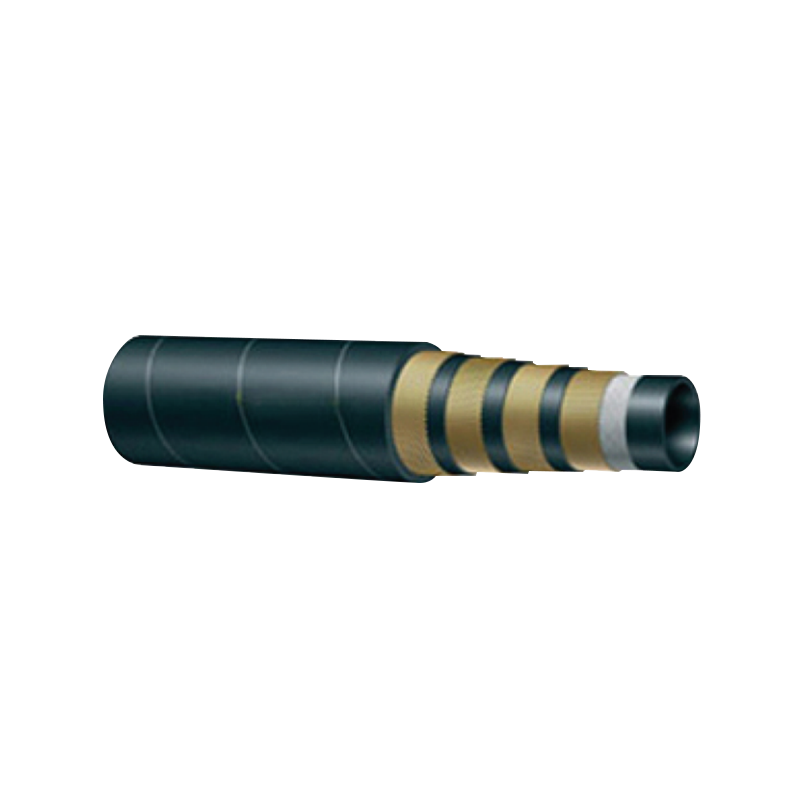 EN856 4SH Spiral Hose for Heavy-Duty Industrial HydraulicsDesigned to meet EN856 standards, this spiral hose offers excellent wear resistance and high pressure capacity, ideal for harsh environments where reliability and long service life are critical.View Product →
Hydraulic systems and pressure washers use the term “high pressure” differently. In a hydraulic system, pressure can reach thousands of psi, but the fluid is oil and the hose is subjected to pressure cycles that may occur thousands of times over its service life. The hose must resist oil, high temperature, and impulse fatigue. A hydraulic line failure in an excavator or a press can stop an entire production line, so reliability is more important than bending flexibility.
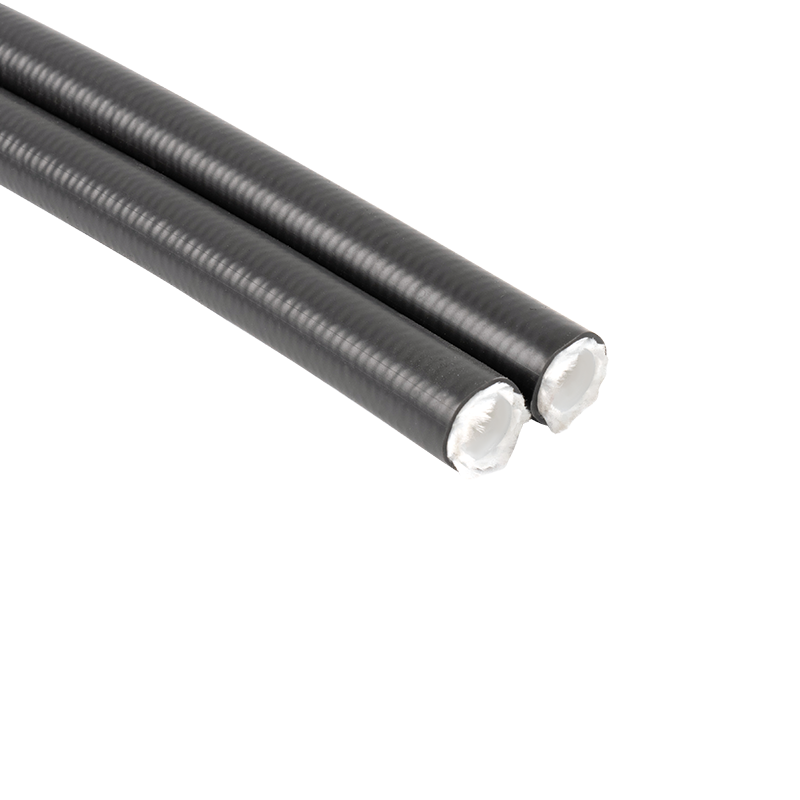
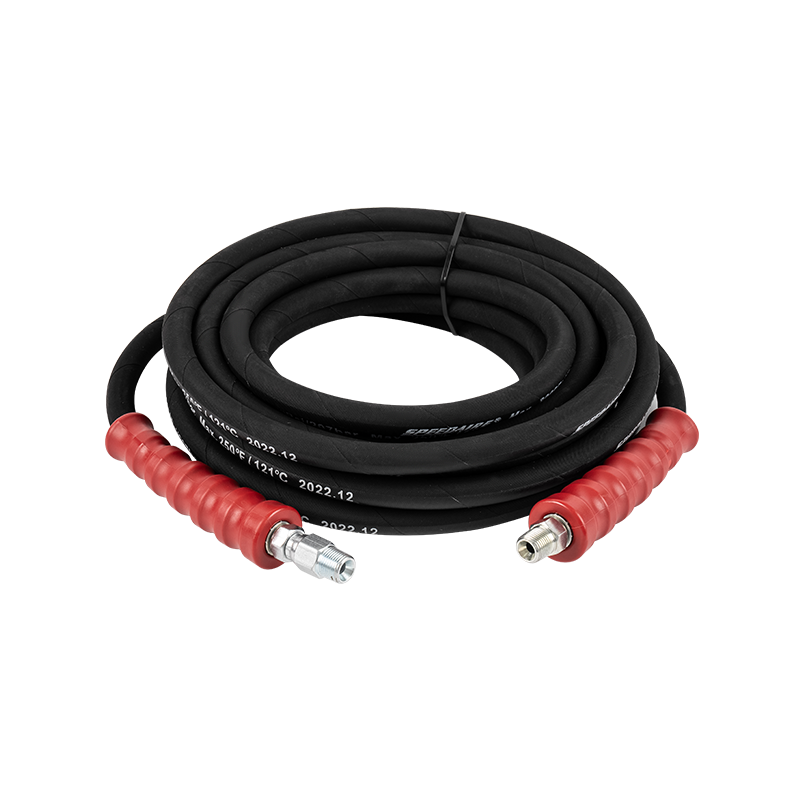
In a pressure washer, the fluid is water mixed with detergent. The hose is often smaller, lighter, and more flexible. It must resist abrasion from being dragged over concrete and pinches from the reel. The cover material and reinforcement are tuned for those conditions. A rubber-covered hose tends to be more durable under abrasion, while a PE or PVC hose is especially lightweight and easy to handle. The sizing is usually based on not just pressure but also the internal diameter that matches the water flow and nozzle.
For professional cleaning equipment, a rubber-covered hose with a smooth surface and high working pressure gives the best compromise of flexibility and durability. For domestic or portable units, a PVC or PE hose is lighter and easier to handle.
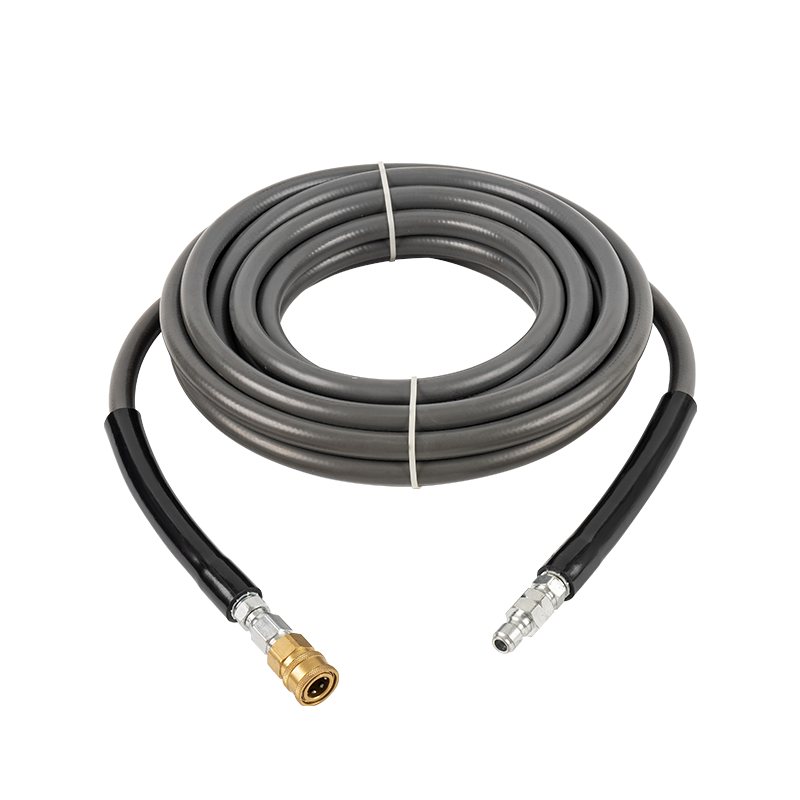 6000psi Smooth Surface Rubber Hose for Pressure CleaningWith a smooth gray cover and 6000psi rating, this rubber hose reduces friction and improves efficiency, making it a practical choice for high-pressure cleaning and fluid transfer tasks.View Product →
Beyond the hose itself, the end connection has to be selected carefully. If you install a reusable fitting on a braided hose, it must match the wire count and the braiding angle. If you crimp a fitting, the crimp force must be within the manufacturer’s tolerance for that hose and fitting combination. A poor connection can leak even when the hose body is perfectly good. Our guide on common hose connection methods and how to secure them covers the main options used in the field.
Installing a high pressure flexible hose is not the same as installing a garden hose. Before you connect any line, confirm the minimum bending radius and allow enough slack for movement. The hose should not be pulled taut when the machine is running, because thermal expansion and machine vibration will cause it to stretch beyond its safe range. Do not let the hose twist as you tighten the fitting. Twisting puts a torsional load on the reinforcement that will shorten its life.
Check the working pressure rating on the hose cover. Never run a hose at or above its maximum working pressure as a normal condition. The rated pressure applies to new hose with clean fittings. When a hose has aged, been exposed to chemicals, or been damaged by abrasion, its actual burst pressure can be much lower. Inspect the cover for blisters, cuts, or exposed wire. Replace any hose that shows these signs.
Always release the pressure in the system before disconnecting a hose. A hose may still hold residual pressure from a check valve or accumulator. Unscrewing a charged hose can send a solid plug of fluid into the face of the operator. Use a pressure gauge to confirm zero pressure before breaking the connection.
For a deeper look at how to avoid failures in high pressure rubber hose installations, see our article on ensuring safety of rubber hoses under high pressure.
Selecting a high pressure flexible hose is really a systems decision. Start with the fluid and the working pressure, then look at the reinforcement construction, bending radius, and cover material. The more accurately you match the hose to the real working conditions, the fewer unplanned stops you will face. If you are still uncertain, ask for the exact standard and pressure data from the manufacturer rather than relying on a generic “high pressure” label.

 Wholesale High Pressure Power Washer Hose Manufacturers




 English
 Deutsch
 中文简体


a@uze.png "3000 PSI 1/4' Flexible PE Pressure Washer Hose")