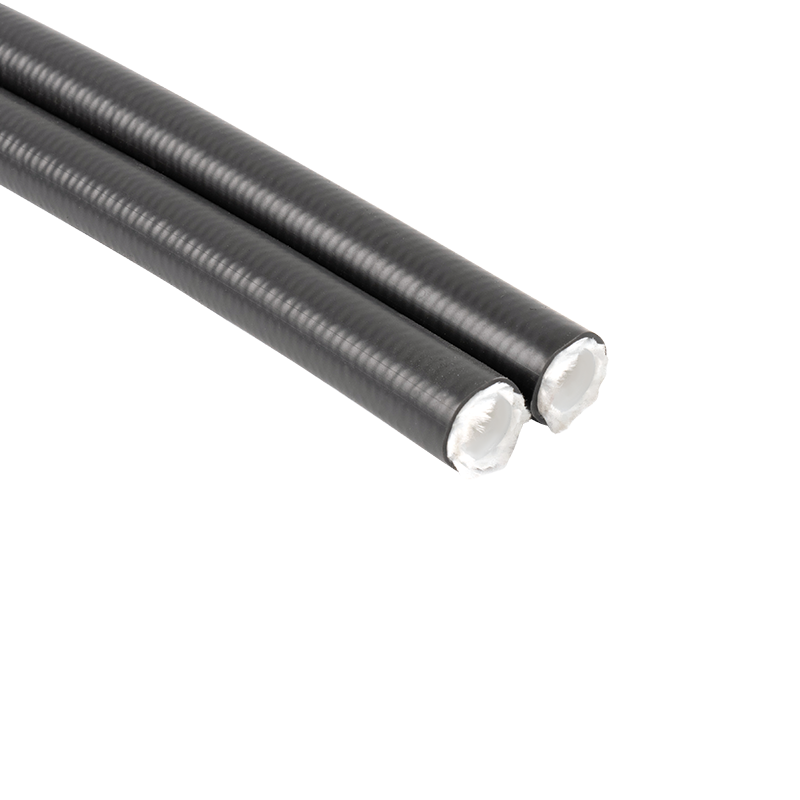
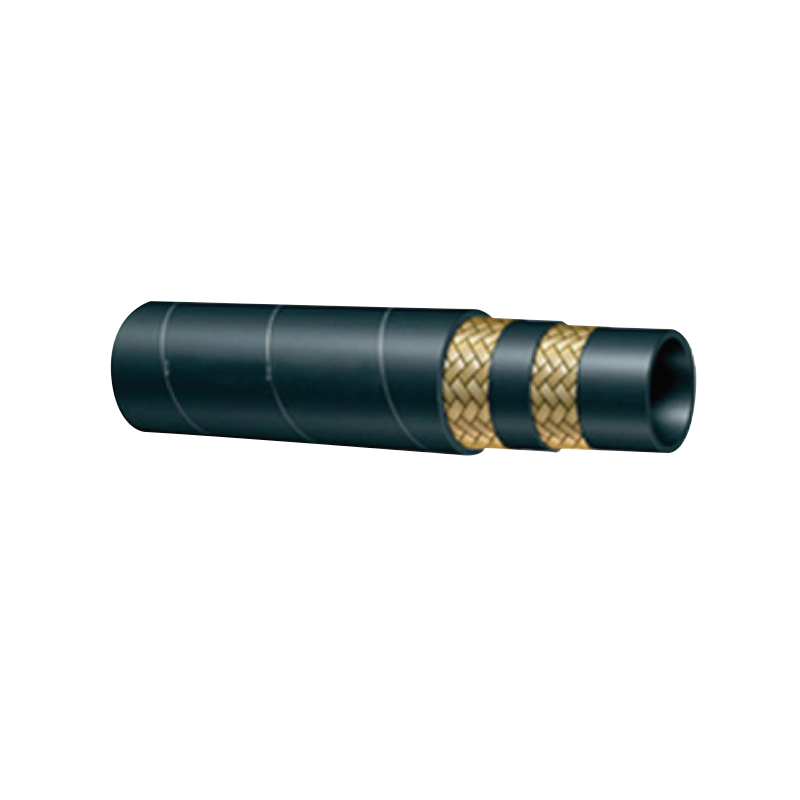
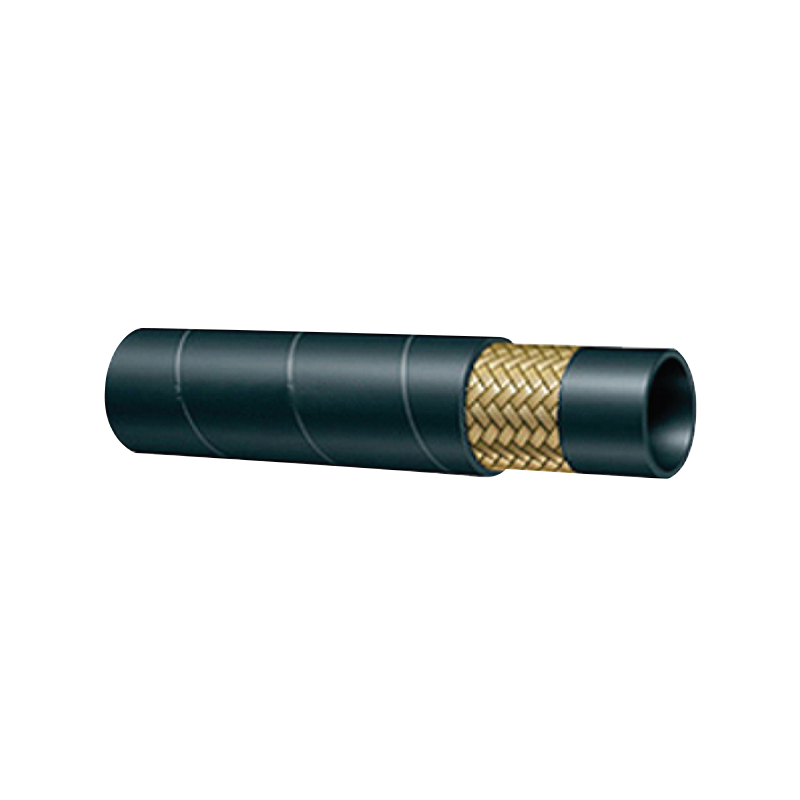
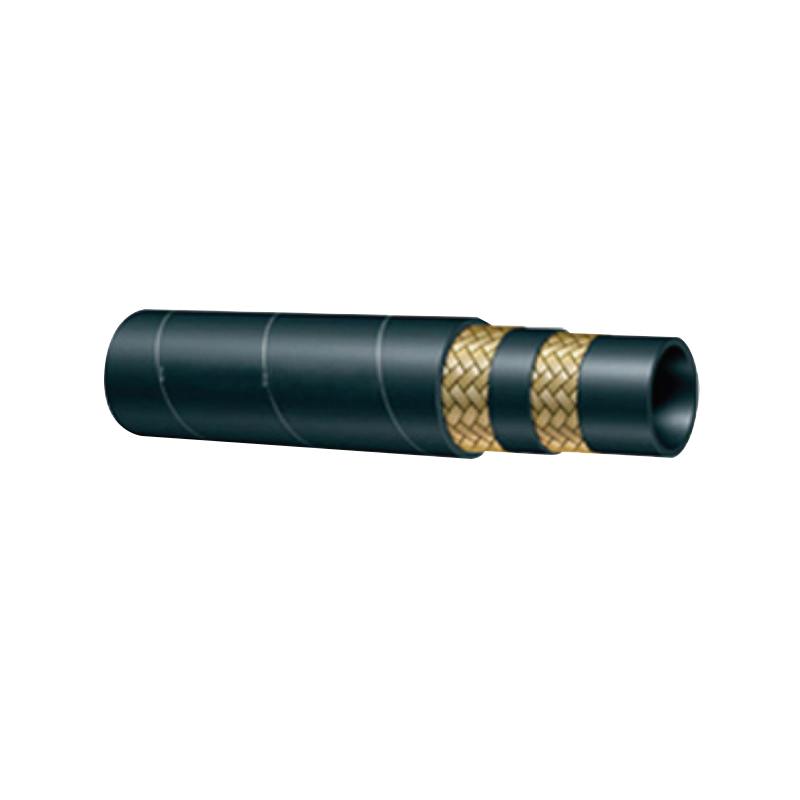
A hydraulic hose can be manufactured correctly and still deteriorate before it is ever installed if it is stored under unsuitable conditions.
For businesses purchasing hoses in bulk, keeping replacement inventory, or importing products internationally, storage deserves the same attention as product selection. Heat, sunlight, ozone, moisture, contamination, and improper handling can all affect hose materials over time.
Understanding proper hydraulic hose storage can help you protect your inventory, avoid unnecessary waste, and ensure hoses remain in suitable condition when they're finally needed.
1. Temperature Can Affect Hose Materials

Extreme or fluctuating storage temperatures can affect rubber and other hose materials over time.
Keeping hoses in a controlled environment and away from excessive heat sources helps protect the materials during storage. This becomes particularly important when products may remain in inventory for extended periods before installation.
For large orders, proper warehouse conditions can help protect the value of the products you've already invested in.
2. Direct Sunlight and UV Exposure Should Be Minimized

Leaving hoses exposed to direct sunlight for extended periods can contribute to deterioration of certain materials.
Whenever possible, hoses should be stored indoors and protected from prolonged UV exposure.
This sounds simple, but proper storage conditions can make an important difference when you're maintaining inventory for future production, maintenance, or resale.
3. Ozone Exposure Is Easy to Overlook

One storage factor that's sometimes overlooked is ozone.
Certain electrical equipment can generate ozone, and prolonged exposure may contribute to deterioration of rubber products. Storage locations should therefore be considered carefully, particularly for inventory expected to remain unused for longer periods.
Good hose storage isn't simply about finding empty warehouse space. The surrounding environment matters too.
4. Proper Storage Helps Prevent Unnecessary Deformation

How hoses are physically stored is equally important.
Hoses should be organized in a way that avoids unnecessary crushing, excessive bending, or deformation. Proper coiling and suitable storage racks can help maintain their condition while also making inventory easier to identify and manage.
For flexible hose products, correct storage also helps preserve one of the characteristics you purchased them for in the first place: easier handling and routing.
5. Keep Hoses Clean and Protected from Contamination

Dust, moisture, oils, chemicals, and other contaminants should be considered when planning hose storage.
Keeping products appropriately packaged and stored in a clean environment helps protect them before installation. Open hose ends may also require suitable protection depending on the product and application.
This is particularly important when cleanliness is critical to the hydraulic system where the hose will eventually be installed.
6. Inventory Rotation Can Help Reduce Waste

When you're purchasing hoses in volume, inventory management becomes part of cost management.
A first-in, first-out (FIFO) approach can help prevent older inventory from being forgotten while newer shipments are used first.
Clear labeling and organized storage also make it easier for your team to identify product specifications, receiving dates, and inventory quantities.
Better inventory control can mean fewer unnecessary replacements and less wasted stock.
7. Inspect Stored Hoses Before Installation

Even when hoses have been stored correctly, products that have remained in inventory for an extended period should be checked before installation according to applicable requirements and manufacturer guidance.
Look for visible signs that may require further evaluation, such as cracking, deformation, unusual surface changes, contamination, or damage caused during storage and handling.
When you're uncertain about the condition or suitability of a hose, consult the manufacturer or appropriate technical guidance rather than relying only on appearance.
Protecting Your Hose Investment Before It Reaches the Equipment
Hydraulic hose reliability doesn't begin when the hose is installed. Proper handling, packaging, transportation, and storage all contribute to maintaining product condition before use.
For businesses purchasing internationally or maintaining significant inventory, establishing appropriate storage practices can help reduce unnecessary product loss, improve inventory management, and protect the investment you've already made.
At Shunlong, we understand that our responsibility doesn't end with manufacturing. With more than 20 years of manufacturing experience and years of serving customers worldwide, we consider packaging, export preparation, and the practical requirements your products face throughout the supply chain.
The goal is simple: help you receive, store, and use your products with greater confidence while avoiding preventable costs.

 Wholesale High Pressure Power Washer Hose Manufacturers




 English
 Deutsch
 中文简体

a@uze.png "3000 PSI 1/4' Flexible PE Pressure Washer Hose")